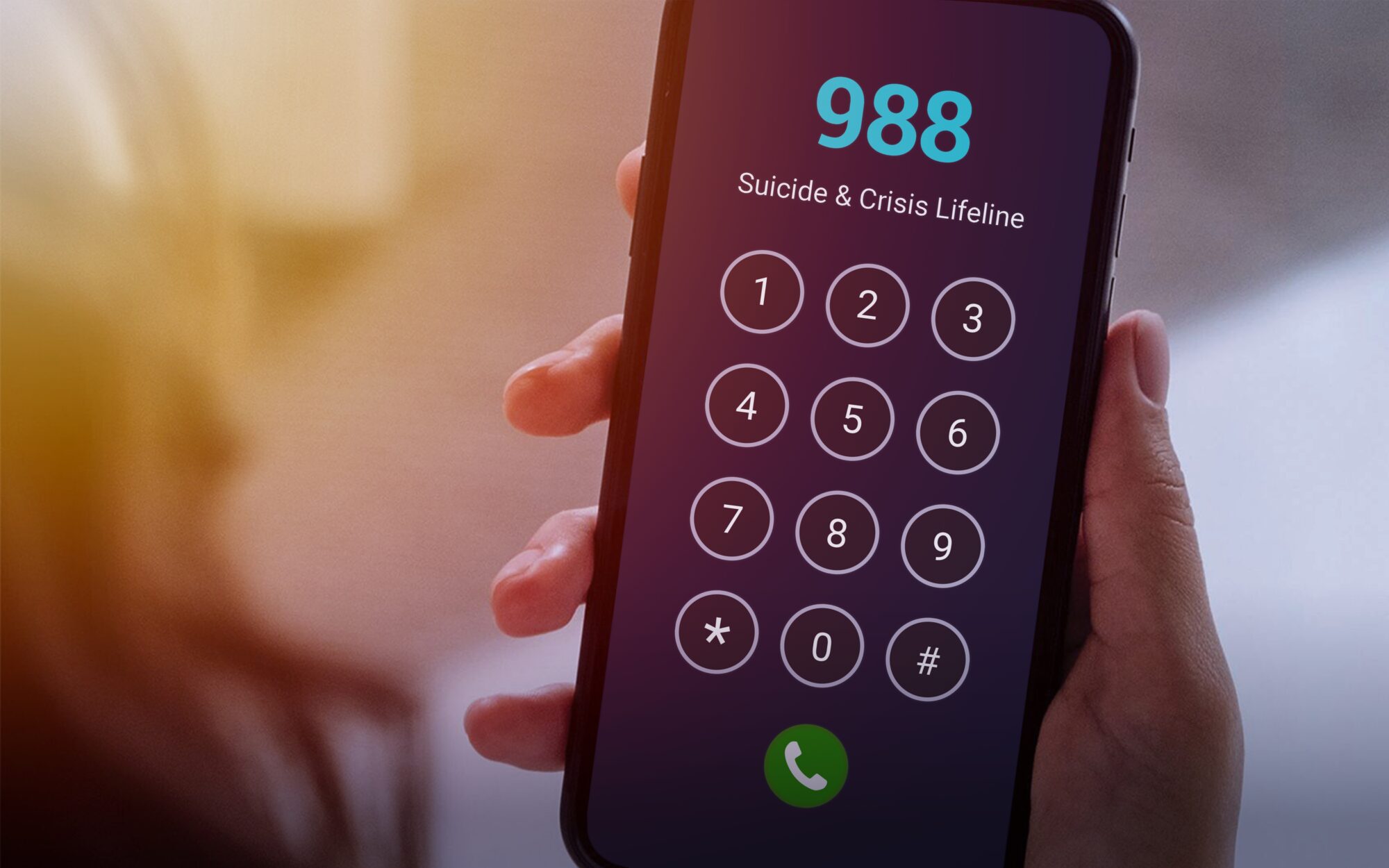
- One of the first lines of defense for those considering suicide is the nationwide 988 Suicide and Crisis Lifeline. Mississippi has the highest in-state answer rate nationwide.
Mississippi’s efforts in suicide prevention are ramping up through 988 call centers and crisis intervention training and conferences.
Recently, the Mississippi Department of Mental Health announced the launch of a Mississippi Crisis Intervention Team Leadership Class along with the agency hosting a Crisis Response Conference entitled “Strengthening Crisis Care.”
Crisis Intervention Teams are comprised of law enforcement personnel with the tools needed to deescalate situations involving people dealing with mental health problems.
“The system of CITs and crisis stabilization units is an important link in the entire system,” State Senator Hob Bryan (D) said about the programs.
State legislation requires agencies across the state of a certain size to have at least one officer trained in Crisis Intervention, but some are opting to have more than one on staff to cover multiple shifts.
To ensure more officers are trained in CIT response, the Leadership Development class was added to the other training options through MDMH. This class focuses on officers in executive leadership positions, providing them with the same deescalation and deflection strategies, while focusing on officer recruitment and retention, public relations. The training also provides the tools needed to create and maintain CIT programs internally.
“The Leadership Development class represents a pivotal step forward in how we approach crisis intervention in Mississippi,” Brent Hurley, Director of the Bureau of Crisis Services, said. “When law enforcement executives are equipped with the knowledge and commitment to support CIT at the command level, the entire community benefits. This training is about building lasting change from the top down.”
For MDMH’s inaugural CIT conference, which was held in March, more than 160 attendees learned how to ensure equitable responses to those who call the Contact Crisis Line and Contact Helpline, how to trace the continuum of care for those affected, and what support is available to help people through the current and ongoing mental health crisis. The training also covered what happens after the call concludes and how existing systems can result in long-term recovery.
“Across our nation, we are seeing a transformation in how communities respond to mental health crises,” said MDMH Executive Director Wendy Bailey. “Nationally recognized models emphasize the importance of building a full crisis continuum of care, ensuring that people can access the right support at the right time and in the right place.”
One of the first lines of defense for those considering suicide is the nationwide 988 Suicide and Crisis Lifeline. Calling the number will connect those dealing with a mental health crisis, drug or alcohol addiction and emotional problems with trained personnel versed in helping people overcome those issues and/or connect them with one-on-one help.
Calling the lifeline does not incur a charge and all information shared by the caller is confidential.
Within Mississippi, most calls are taken in-state, leading the Magnolia State to have the highest in-state answer rate nationwide. According to MDMH, of the almost 12,000 calls made so far in 2026, 98% were answered by call centers in Mississippi.
“In our state, we truly need to give it up for our 988 call centers, who are now number 1 in the nation for the in-state answer rate,” Bailey said. “Nearly 12,000 calls answered in just the first half of the fiscal year, a 98 percent answer rate, and more than 2,500 chats and texts — these are not just statistics. Every single one of those contacts represents a person in Mississippi who reached out for help and was met with a caring, trained voice. That is something to be incredibly proud of.”

Jeremy Pittari