- “Mississippi needs more nurses, not fewer. We should be making it easier, not harder for students to pursue advanced nursing degrees,” State Senator Nicole Boyd said of the proposed federal legislation.
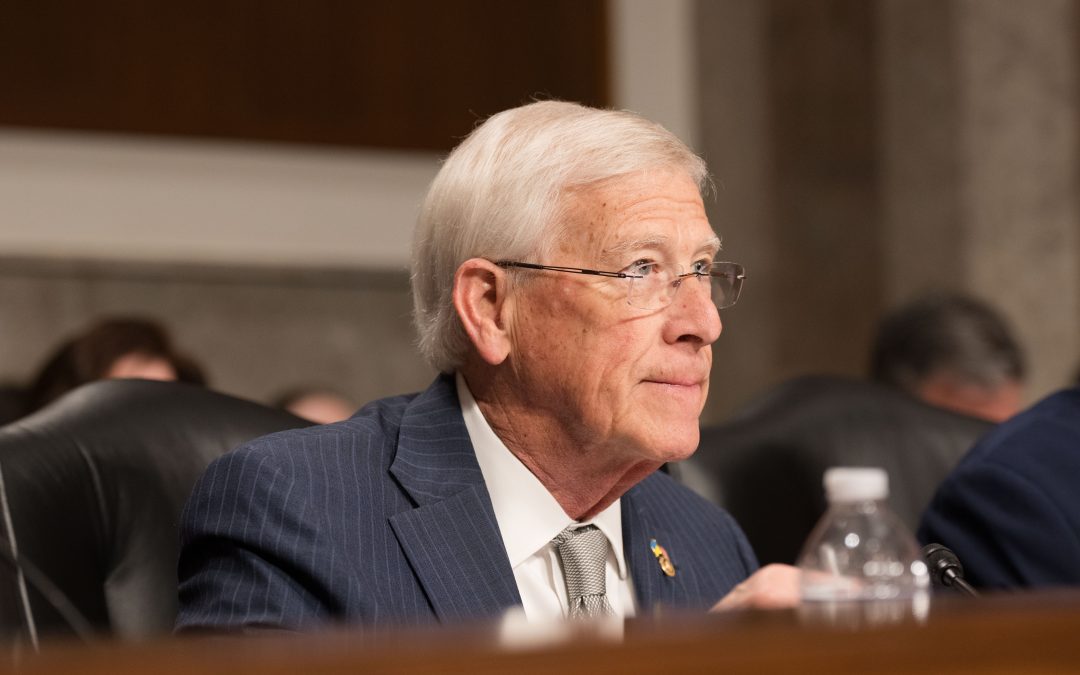
Mississippi U.S. Senator Roger Wicker (R) is working with other senators to pass a bill that would reverse a decision by the U.S. Department of Education that fails to classify post-baccalaureate nursing degrees as “professional degrees,” imposing stricter limits on federal student loans for nurses.
Wicker, along with Oregon U.S. Senator Jeff Merkley (D) are leaders of the Senate Nursing Caucus. The two worked together to introduce the Nursing is a Professional Degree Act to ensure students seeking those degrees are able to gain access to student loans to make the cost of obtaining higher certification more affordable.
The Department of Education’s decision to reclassify post-baccalaureate nursing degrees as not “professional” caused those seeking the higher certifications to look to the private student loan market.
State lawmakers in Mississippi have also been working to provide more routes for people to enter the healthcare workforce to meet growing demand, especially in rural areas.
“Senator Wicker is right to fight this decision, period,” said state Senator Nicole Boyd (R), Chair of the Mississippi Senate Universities and Colleges Committee. “Mississippi needs more nurses, not fewer. We should be making it easier, not harder for students to pursue advanced nursing degrees.”
Boyd went on to say that nursing is unquestionably a professional degree, calling the bipartisan legislation “a commonsense fix that supports students, strengthens our healthcare workforce and protects access to care in communities across our state.”
With reported shortages of healthcare professionals across the country, Senators Wicker and Merkley want to ensure the path is easier for those seeking to fill those voids.
“It is imperative that Congress address the nursing shortage across the United States. This legislation would make nursing a more achievable profession by expanding the loan limits for nursing students,” Wicker said. “Classifying post-baccalaureate nursing degrees as professional degrees would give these students more financial freedom after graduation.”
Classifying a degree as professional allows students access to larger federal student loans. For instance, if a degree is considered professional, the student can take out federal student loans up to $50,000 annually and $200,000 for the life of their higher educational career. In comparison, degrees not categorized as professional face limits of $20,500 and $100,000, respectively.
The federal legislation proposed by Wicker and Merkley is being supported by 250 organizations, including the American Association of Colleges of Nursing, American Association of Nurse Anesthesiology (AANA), American Association of Nurse Practitioners (AANP), American Nurses Association, American College of Nurse-Midwives, Association of Women’s Health, Obstetric and Neonatal Nurses, National Association of Pediatric Nurse Practitioners, National Council of State Boards of Nursing (NCSBN), and National League for Nursing.

Jeremy Pittari