- It is the second time this session that a mobile sports betting bill from the House has died in the Senate.
The “Mississippi Mobile Sports Wagering Act,” which passed 100 to 11 in the House of Representatives, has died in the Senate Gaming Committee at the hands of chairman State Senator David Blount (D).
It is the second time this session that a mobile sports betting bill from the House has died in the Senate. Attempts to establish mobile sports betting in previous legislative sessions have also died by way of Blount and his Senate Gaming Committee.
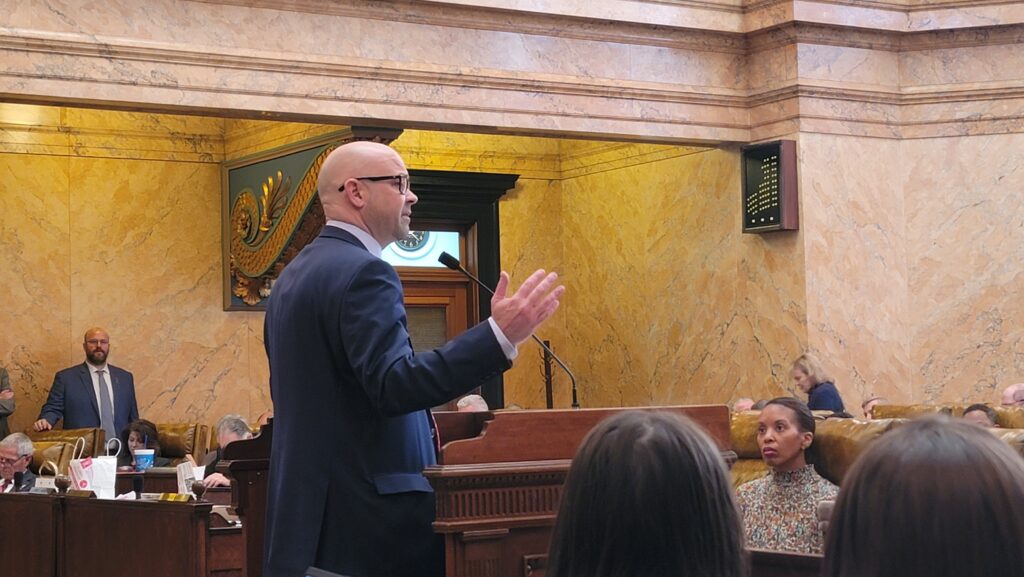
The latest version of the mobile sports betting proposal put forward by State Rep. Casey Eure (R), the House Gaming Committee chairman, would have imposed a 22% tax on mobile sports betting, up from 18.5% proposed previously. When presenting the bill to the House. Eure said the increase would put Mississippi in line with the national average.
The House measure would have also reduced the state gaming tax from 8% to 6%, giving “approximately a $48 million tax cut to the casinos.”
“Mobile [sports betting] at 22% is projected to bring in $100 million per year,” Eure told the House in late February, adding that the tax cut to the brick-and-mortar casinos allows them to “reinvest in their properties, give employees pay raises, do things they need to do to keep them up and going to stay competitive in our market.”
Eure’s bill would have sent $50 million per year from the revenue generated from mobile sports betting to the Public Employees Retirement System, or PERS, over the next 10 years in an effort to provide a revenue stream to shore up the system’s $26 billion unfunded liabilities.
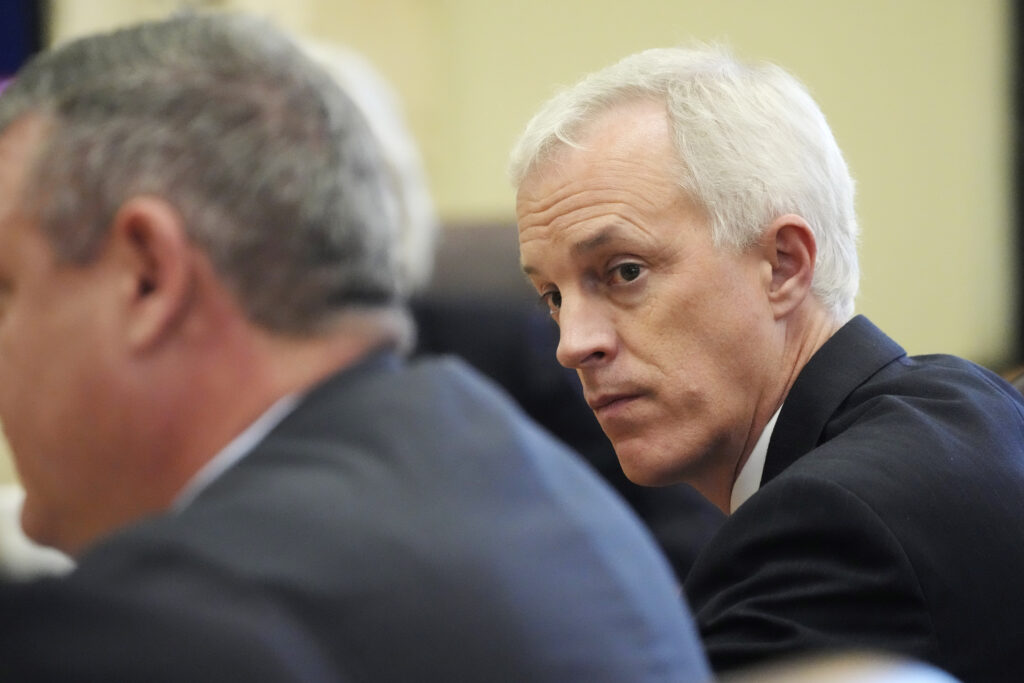
However, Blount once again killed the measure, citing financial concerns with the tax cut to brick-and-mortar casinos and the loss of state revenue. He has previously said that estimated revenues for mobile sports betting are overly optimistic.
Blount shared a study from a Tax Foundation report with Magnolia Tribune on Thursday. He said even if mobile sports betting were taxed at the higher rate when combined with a 25% casino tax cut Mississippi would lose money – even before prediction markets.
In prior discussions on the issue, Blount has also expressed the need to maintain a strong gaming industry as it reaches into many parts of the local and state economy from restaurants to hotels, not just what happens on the casino floor.