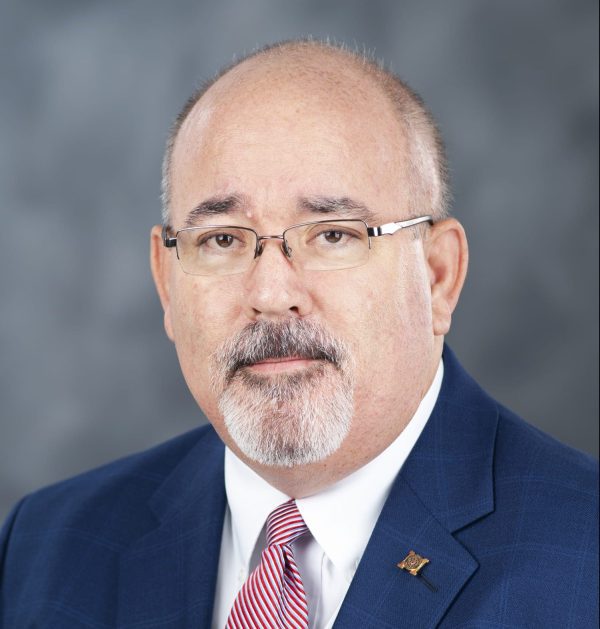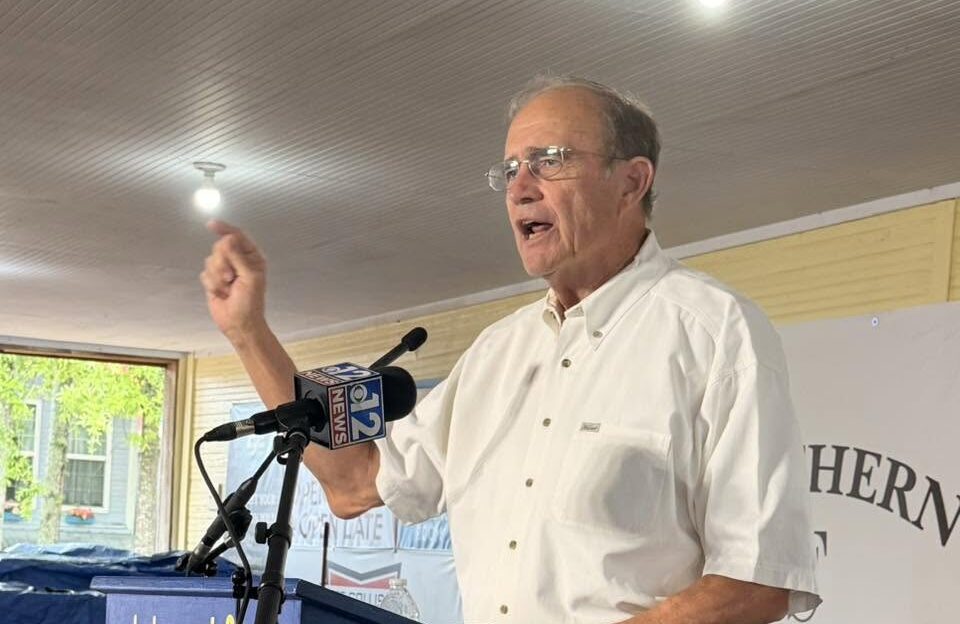
- Insurance Commissioner Mike Chaney, also the State Fire Marshall, says in Mississippi, we take that responsibility seriously, which is why we continue to lead on emergency preparedness.
There’s an old saying, most popularly attributed to Benjamin Franklin, that says, “By failing to prepare, you are preparing to fail.” For first responders and safety professionals, Franklin’s words underscore why we commit ourselves to the daily preparation and training required to respond when it matters most. Being ready is not just about doing the job well; it can mean the difference between life and death.
In Mississippi, we take that responsibility seriously, which is why we continue to lead on emergency preparedness.
Mississippi is in the middle of a remarkable period of growth. We are seeing record levels of economic development, with investment flowing in from industry leaders in technology, advanced manufacturing, and energy. These projects are creating jobs, strengthening local infrastructure, and building long-term partnerships that will support our communities for decades to come.
Reflecting the strength of those partnerships, the companies choosing to call Mississippi home are working alongside public officials to invest in emergency preparedness, knowing that with growth comes responsibility. That investment ensures that our first responders are equipped to handle new challenges, including even the most unlikely of scenarios.
One of the clearest examples of that investment came last year when ExxonMobil provided a $50,000 grant to the Mississippi Fire Academy to equip the school with a new CO2 pipeline training prop that enables hands-on, immersive, scenario-based training. This specialized program is designed to prepare firefighters and emergency personnel for incidents involving CO2 pipelines, infrastructure that is becoming increasingly important as energy and manufacturing investments continue to expand across our state.
While these pipelines operate safely every day, preparing for the unexpected remains essential. Investing in programs like these helps reduce risk and limit costly damage should incidents occur. It equips emergency responders to meet any challenge, easing pressure on insurance costs and, most importantly, helping save lives. Because pipeline incidents require new training and tools, it’s critical for firefighters to have the opportunity to train in a realistic environment.
That preparation is already paying dividends. In late March, the program surpassed an important milestone, with more than 100 first responders completing the training. Each of those individuals now carries that knowledge back to their departments and communities, extending the program’s reach far beyond the Fire Academy’s walls and strengthening preparedness across the state.
Even in its early stages, the MSFA’s CO2 pipeline training is already proving to be a model for forward-looking public safety. But there’s more work to be done. As interest grows and training sessions continue to fill, we should expand participation so more departments can bring this expertise back to the communities they serve. That way, we can be certain that no community is without the training they need to handle emergencies like these.
Mississippi’s growth depends on our ability to meet opportunity with readiness. By building on the success of the MSFA’s CO2 pipeline training program, I look forward to supporting the current and next generation of first responders through expanded training beyond the CO2 pipeline program – ensuring we are ready to respond in any scenario.

Mike Chaney