- Robert St. John says some drinks come and go. Trends pass through fast and leave just as quickly. Iced tea never left.
Iced tea has been called the house wine of the South. Rick Bragg once wrote that a glass of iced tea can tell you just about everything you need to know about where you are and who you’re with, and he wasn’t wrong. Around here, iced tea is just part of how things are done. It shows up early and sticks around.
These days, I drink about five glasses of iced tea at breakfast. Unsweet, with just a splash of Stevia. And I can stretch that single Stevia packet out through all five glasses. That’s the current chapter. It took a while to get here.
I consider myself a southerner to the core. But the crazy thing is that I didn’t drink a glass of iced tea until I was eighteen. Before that, milk was the drink of choice. My brother and I went through about a gallon a day between the two of us. A half gallon at breakfast and a half gallon at supper. Meatloaf, pizza, fried chicken—it didn’t matter. Milk was on the table and we drank it willingly. Our mom didn’t force it. It’s just what we liked. Tons of milk as a kid, and not a single broken bone to show for it. Draw your own conclusions.
The first glass of iced tea came courtesy of hard labor and low wages. In the summer of 1980, I was working for my brother’s landscaping company, laying sod in Mississippi heat that could either knock the ambition right out of you or make a strong case for staying in college, depending on how you looked at it. I don’t remember what minimum wage was back then, but it wasn’t much and lunch money was tight. The crew liked to eat lunch at North Heights, a classic meat-and-three in Hattiesburg that stayed open twenty-four hours. You got your meat and three vegetables, and iced tea came with the plate. Soft drinks cost a dollar extra. I was counting-change-in-the-sofa-cushions broke back then and a dollar mattered. That made iced tea less of a preference and more of a practical decision, and practicality was doing most of the deciding back then.
The tea was cold. It was wet. It did its job. Good enough, but it didn’t change my life. For the next couple of decades, soft drinks were still the main attraction, with iced tea making an occasional cameo.
When the first restaurant opened—the Purple Parrot Café— we served iced tea with a sprig of mint and a slice of orange. The mint idea came straight from my grandmother, who always added it when guests were coming over. She kept a generous patch growing right by the back door. The orange slice came from somewhere else— I don’t remember where— but truth be told, orange and mint play pretty well together. Still do.
Somewhere in my forties, the slow break-up with carbonated beverages began. Iced tea showed up more often, especially at lunch— half and half for a while, then a long relationship with Arnold Palmers. By my fifties, the switch was final. These days, a couple of quarts at breakfast isn’t unusual, followed by several glasses at lunch and a few more at dinner. After breakfast I just go for a glass of unsweet tea with a splash of sweet tea. Water fills in the gaps, with a goal of about a gallon of H2O a day. Hydration is no longer optional at this age. It’s a requirement.
In most Southern restaurants, iced tea just arrives and keeps coming. Nobody explains it. Nobody makes a big deal of it. It’s part of the table, same as the silverware and napkins.
Tea became the habit without much discussion.
Travel complicates things. In most of Europe, iced tea simply isn’t a thing. They love their coffee, though, especially the Italians. I am not a fan of coffee. I like the smell of coffee, I like the idea of coffee, coffee shop conversations and every romantic notion attached to them. I just don’t like the taste of coffee. Every ten years or so, I think— maybe I’m a grown-up now. Maybe I like coffee. And then I take a sip. Nope, still tastes like coffee.
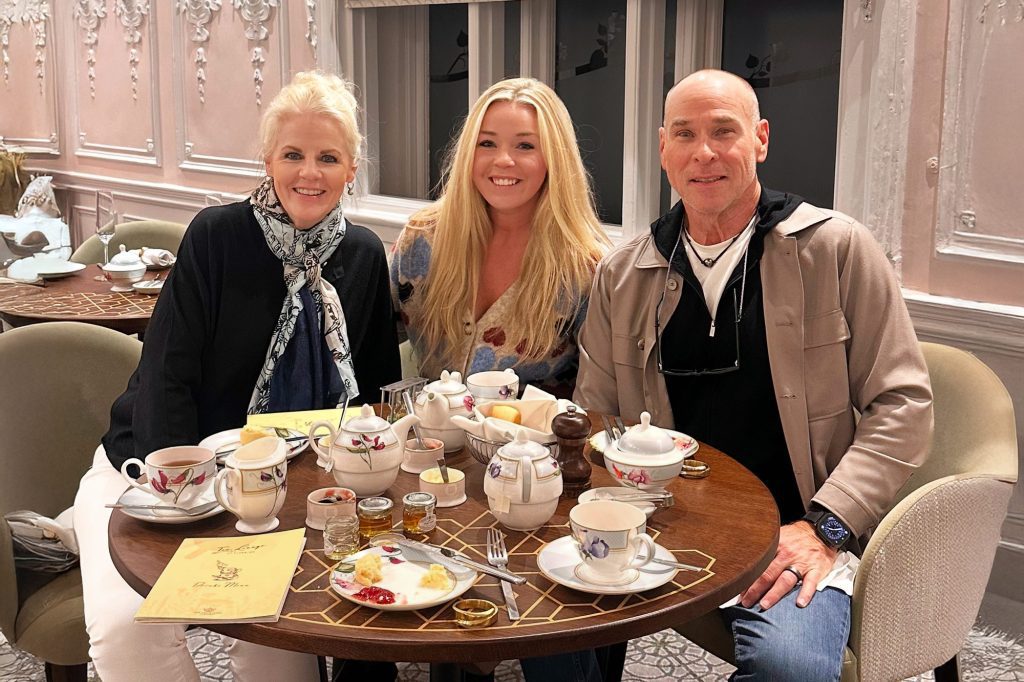
Hot tea came into my life through the side door. A sore throat in Italy and a group to host didn’t leave many choices. Tea with honey got me through it. Time spent later in England, Scotland, and Ireland turned hot tea into something I actually enjoy. Cream tea, especially, stuck.
Cream tea is the British tradition of hot tea served with scones, clotted cream, and preserves. Simple and honest. For years, scones never impressed me. The ones stateside—including plenty made in my own bakery—seemed dry. In England, that problem disappears. Soft. Moist. Fresh. Built for clotted cream and jam. Add a pot of English Breakfast tea with honey, and the whole thing makes sense.
As a sixty-four-year-old man, sitting down with a proper cup of English tea almost makes me feel like an adult. Almost. Hot tea still feels slightly unexpected, even at this age.
Some drinks come and go. Trends pass through fast and leave just as quickly. Iced tea never left. It waited patiently while other choices had their moment. There is something comforting about that kind of quiet confidence.
That glass sitting on the table at breakfast, sweating in the Mississippi heat, feels earned now. Not fancy. Not dramatic. Just right. A long way from that first glass at eighteen. Right where it belongs.
Onward.
This Week’s Recipe: Orange Cranberry Muffins
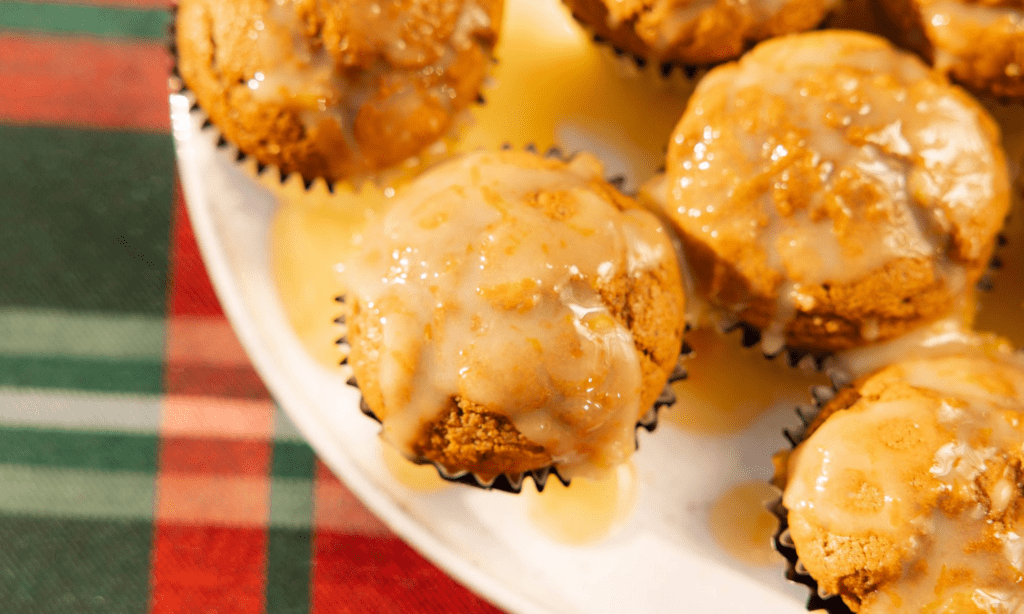
These muffins are like Christmas morning in a bite—bright, citrusy orange paired with tart, bursting cranberries. The combination feels like something you’d find in a festive basket dropped off by a thoughtful neighbor. Perfect for Christmas gift giving or to have on hand for guests throughout the holiday.
Ingredients
2 cups all-purpose flour
1 ½ teaspoons baking soda
½ teaspoon baking powder
½ teaspoon kosher salt
½ cup granulated sugar
½ cup light brown sugar, packed
2 tablespoons orange zest (divided)
½ cup unsalted butter, melted
½ cup half-and-half
2 large eggs
¼ cup fresh orange juice (plus 2 tablespoons for the glaze)
1 teaspoon pure vanilla extract
1 teaspoon orange extract
1 ½ cups fresh cranberries
1 ½ cups confectioner’s sugar
For the Glaze:
2 tablespoons fresh orange juice
1 tablespoon orange zest
1 ½ cups confectioner’s sugar
Instructions
Makes 12 muffins
Preheat oven to 400°F
In a large mixing bowl, combine the flour, baking soda, baking powder, and salt. Mix well.
In a separate bowl, whisk together the granulated sugar, brown sugar, 1 tablespoon orange zest, melted butter, half-and-half, eggs, 1/4 cup orange juice, vanilla extract, and orange extract until well combined.
Using a wooden spoon or rubber spatula, gently stir the wet mixture into the dry mixture. Avoid overmixing—stir just until no dry ingredients remain visible. Fold in the cranberries.
Line a muffin tin with paper baking cups. Fill each cup three-quarters of the way full with batter.
Bake for 17 to 19 minutes, or until a toothpick inserted into the center of a muffin comes out clean.
Allow the muffins to cool while preparing the glaze.
For the Glaze:
In a small bowl, stir together the orange juice, orange zest, and confectioner’s sugar until smooth. The glaze should be thick but pourable.
Once the muffins have cooled, remove them from the tin, place them on a serving platter, and drizzle with the glaze.
These muffins also freeze well, so you can make them ahead of time and simply glaze them before serving. Great for gifting or to enjoy with a hot cup of coffee on a chilly December morning.

Robert St. John