(Photo from Shutterstock)
- Conference attendees will hear the findings from research focused on Mississippi’s health, education, tax policies, and the state’s human capital.
Research conducted across the state on the long-term challenges impacting Mississippi will be presented as part of the 11th annual Advancing Mississippi Conference presented by the University Research Center (URC), a division of Mississippi Institutions of Higher Learning.
Planners said the goal of the conference is to uncover productive ways to overcome challenges and foster growth in Mississippi, while creating better economic conditions for all Mississippians.
Conference attendees will hear the findings from research focused on Mississippi’s health, education, tax policies, and the state’s human capital. Human capital measures the economic value of an employee, determined by their knowledge, health, skills and experience.
The conference is set for September 25 at 9 a.m. It is being held at the Mississippi Children’s Museum.
Dr. William M. Rodgers II, vice president of community development research at Federal Reserve Bank of St. Louis, will be this year’s keynote speaker during the conference luncheon. He is a former professor at Rutgers University and a published researcher. His previous research work centered on compensation, economic mobility, labor markets and trends in the economy.
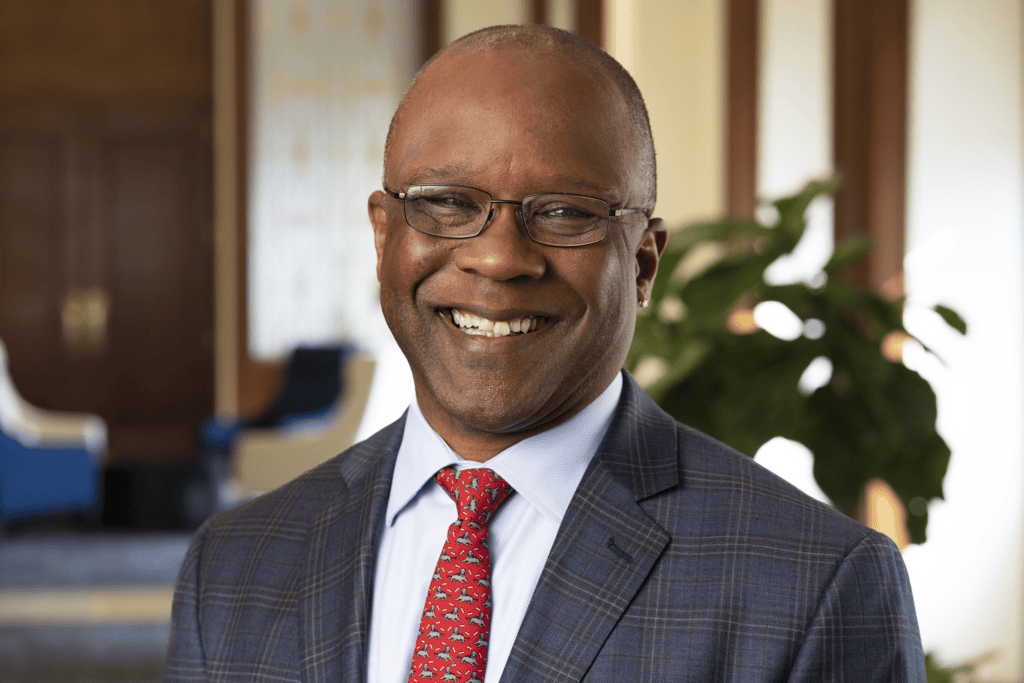
During the luncheon, Rodgers is expected to speak about Mississippi’s young adult population, particularly those not enrolled in a higher education program and without employment.
The low workforce participation rate in the state has been a topic of conversation over the past several years. According to the Federal Reserve Bank of St. Louis, Mississippi’s workforce participation rate for residents 16 and older was 54.9% in July of this year. State lawmakers have passed several bills in recent years to provide additional workforce training and employment opportunities to the state’s residents in an effort to combat the low workforce participation rate.
While the event is offered at no cost, registration is required and limited to the first 100 people.
The conference is geared toward higher education faculty, graduate and undergraduate students, and any researcher who does not have university affiliation.

Jeremy Pittari