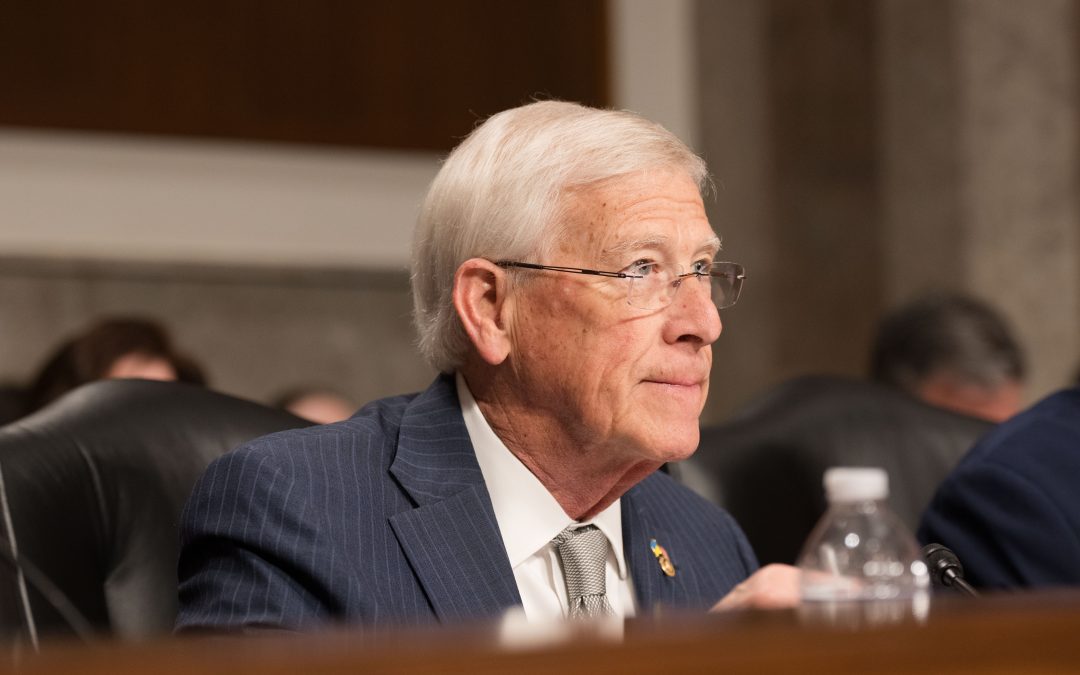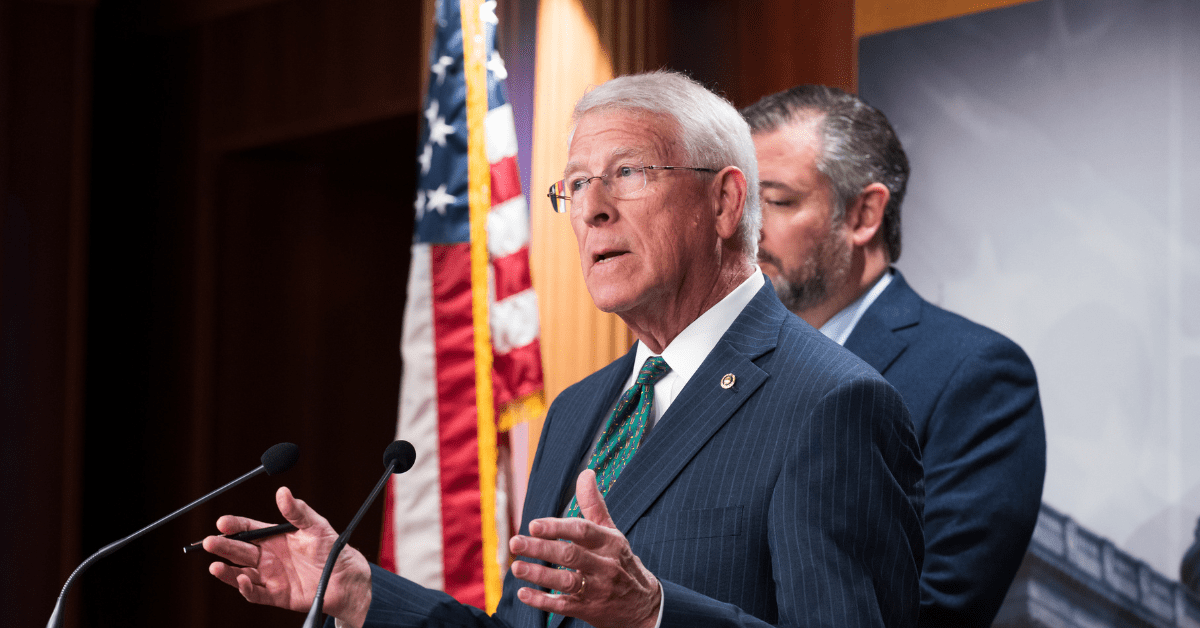
U.S. Senator Roger Wicker (R-MS)
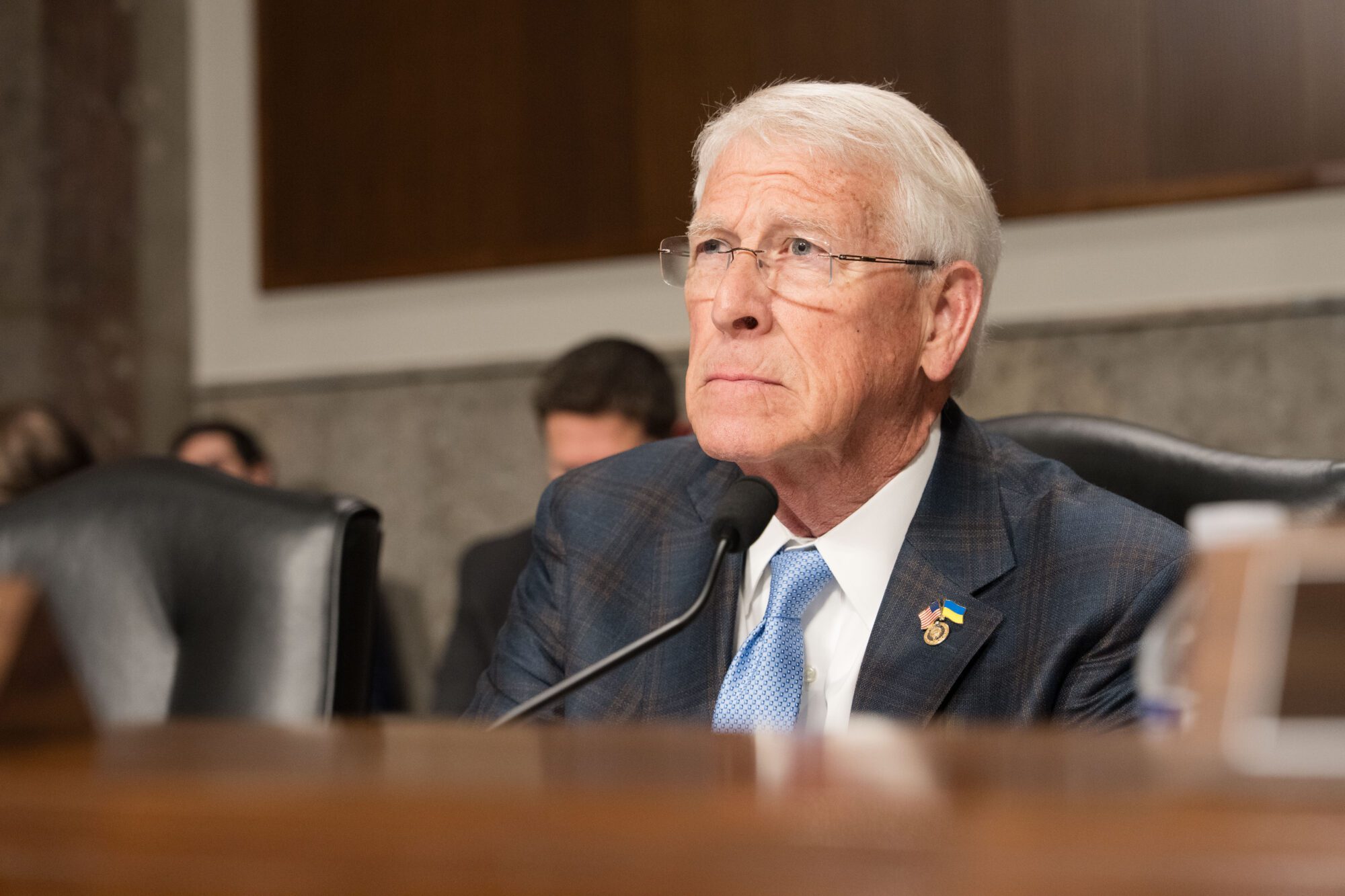
- U.S. Senator Roger Wicker, chairman of the Senate Armed Services Committee, says China remains the America’s top threat.
The world’s eyes are locked on the conflict in Iran. But it would be shortsighted to forget that China remains the primary threat facing the United States. I recently spoke with Admiral Samuel Paparo and General Xavier Brunson, who lead American forces stationed around the Pacific and Indian oceans. Every day, they see evidence that China is dead set on challenging the United States for leadership of that region of the world.
China Transforming into “Peer” Adversary
Chinese leaders did not always have this confidence. In the past, Beijing knew it could not directly compete with the U.S. military. Instead, the People’s Liberation Army (PLA) focused on smaller goals, such as exploiting specific American vulnerabilities. Beijing would build anti-ship missiles to threaten our aircraft carriers. It would target American satellites or the bases we use in Japan, South Korea, and Guam. But in the past decade, Xi Jinping has overseen a dramatic shift. He now feels increasingly prepared to take on the U.S. directly.
Xi Jinping put that bravado on full display last September when he presided over China’s 80th Victory Day military parade. For the first time, he made public all three legs of his nuclear triad—proudly displaying missiles he could launch to the United States from land, air, and sea. No one is building nuclear weapons more quickly than China. Since 2020, the PLA has more than doubled its stock. By the end of the decade, it hopes to have over 1,000 of these world-changing weapons. Meanwhile, the Chinese navy is bigger than any in the world, and its air force is increasingly sophisticated. PLA cyber and outer space capabilities rival our own.
Allies Step Up
As Xi Jinping watched his military parade, he was flanked by two friends—Russia’s Vladimir Putin and North Korea’s Kim Jong Un. The image was clear. China leads an increasingly collaborative Axis of Aggressors, and they stand opposed to the free people of the world.
The growing partnership among these dictators throws into sharp relief the enduring value of America’s alliances. For decades, the free nations of the world have shared the burden of defending ourselves. Those bonds have made Americans safer and more prosperous. President Trump has called on our allies to increase their portion of this shared investment, and I am glad to say they have largely been answering that call.
China’s escalating aggression hangs a sword of Damacles above the entire Pacific, but the freedom-loving nations of the region have formed a strong chain of defense. Admiral Paparo and General Bruson benefit from the work of our partners in Japan, South Korea, the Philippines, Australia, and Taiwan. We could not hope to protect American interests in the Pacific without these friends.
Taiwan Resolves to be Free
Taiwan, in particular, sits in China’s bullseye. Xi Jinping has long wanted to bring Taiwan under his thumb, but the people of that island have resolved to live free. They have built a vibrant democracy and bustling economy, and they lead the world in semiconductor production. That industry supports thousands of Mississippi jobs and powers many of the electronics we use every day.
Lawmakers in Taiwan are debating a defense spending bill, and I am hopeful that it will be the latest step in their military buildup. The island republic has invested in anti-ship and anti-aircraft missiles, which it can use to dent China’s fleets. It has been procuring low-cost drones, and it would use those to overwhelm expensive PLA systems.
With these and other efforts, Taiwan hopes to make it extremely costly for China to invade. The people of Taiwan understand the threat from China. As we continue eliminating Iran’s threat in the Middle East, Americans must not lose sight of the danger waiting across the Pacific.

Roger Wicker