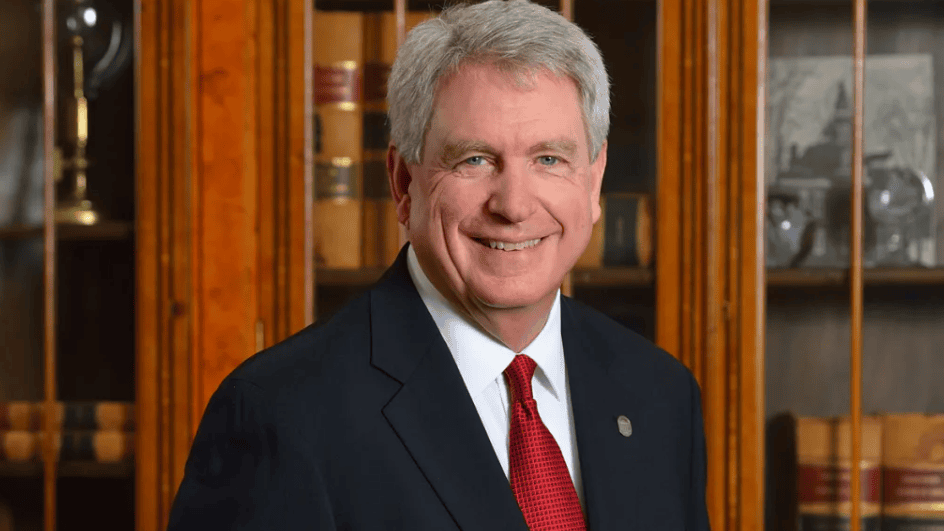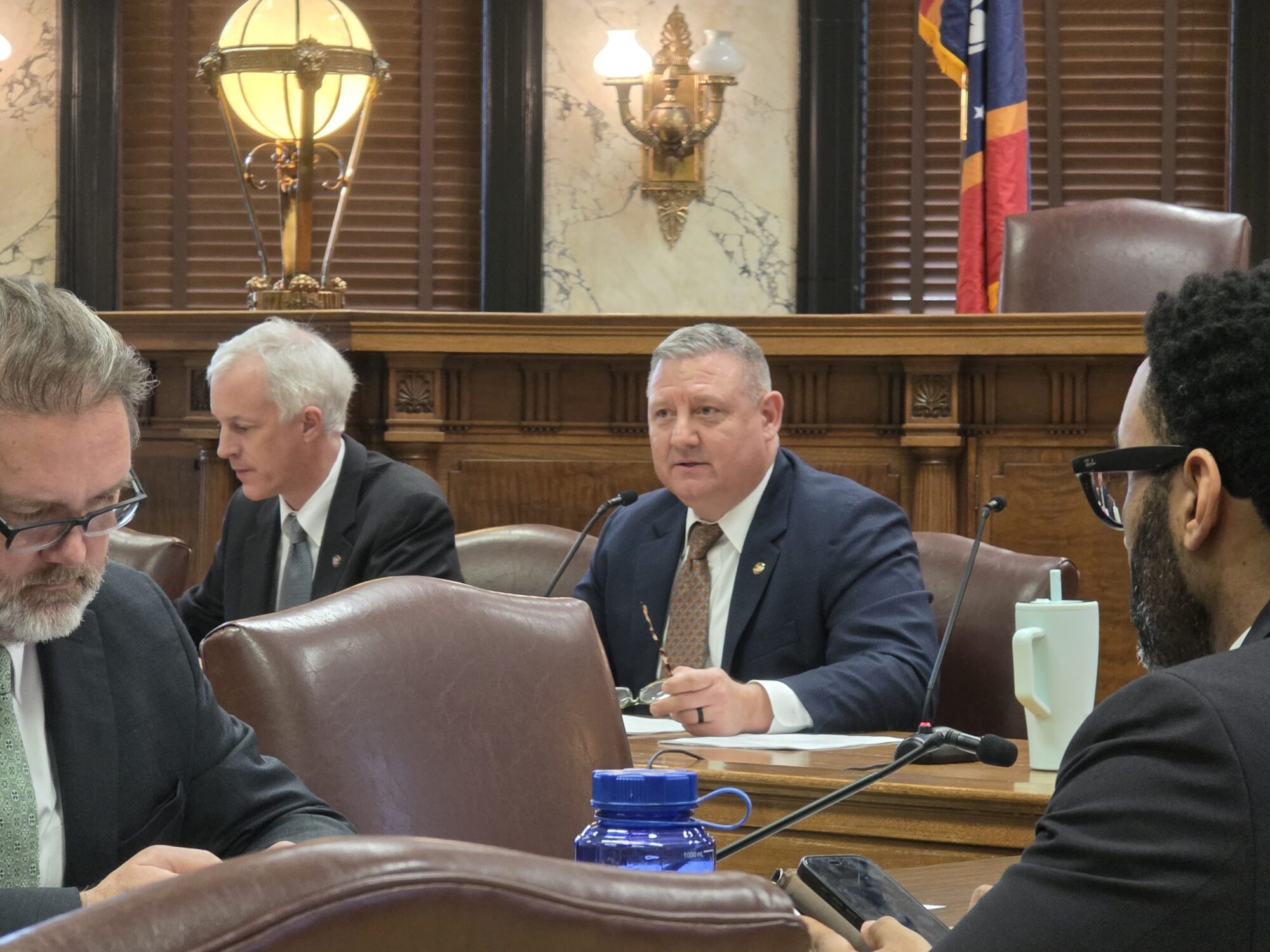
Senate Education Committee Chair Dennis DeBar (R) met with his fellow committee members on Tuesday to start the 2026 legislative session off by taking up three bills. (Photo by Jeremy Pittari | Magnolia Tribune)
- Teachers and teacher assistants to see a $2,000 pay raise, while school attendance officers will get $5,000. Special education teachers will receive an additional $2,000 as well.
A conference report that will provide teachers, assistant teachers, CTE instructors, special education teachers, and other educational personnel pay raises has been approved by the both the Mississippi Senate and House of Representatives. The measure will be officially sent to the governor’s office once motions to reconsider are tabled.
According to State Senator Dennis DeBar (R) on Sunday, the conference report for HB 1935 sets the total appropriation for K-12 public education in Mississippi, which includes state, federal and special funds, at about $5.3 billion this year, which is $111 million over the legislative budget recommendation and $121 million over last year’s funding.
“So, we are increasing the amount we spend on education this year,” DeBar explained.
Funding for Mississippi’s K-12 public education system and its teachers has continually increased year after year even as the Mississippi Department of Education reports annual drops in student totals. Over the past five school years alone, public school population has decreased from 442,000 students to 424,534. A decade ago, student totals surpassed 483,000. The state, however, provided a teacher pay raise of $5,100 in 2022 and now this round of pay raises in the 2026 session.
The education budget does include the much-debated teacher pay raises that the House and Senate agreed to late last week. Those raises provide $2,000 for all teachers, including teacher assistants and CTE instructors. Occupational therapists and school psychologists will also receive the same pay increase.
Some cuts were made to shift funds to make the raises happen, specifically for third-party vendors. Senator DeBar said the shift involved about $2.1 million being moved to other areas of the budget.
The total to provide teachers and teacher assistants these raises will cost the state about $108 million. Special education teachers will also receive another $2,000 on top of the initial $2,000 teacher pay raise, which will cost about $14 million. DeBar added that the CTE instructors’ $2,000 pay raise resulted in an increase to the budget of $6 million.
The conference report also includes pay raises of $5,000 for school attendance officers, in addition to adding nine more positions in that job description. Providing those staff with a raise will cost the state an additional $1 million. The additional staff is meant to ensure there are enough school attendance officers so that each one oversees at least 4,000 students.
“We are doing an across the board pay raise of $2,000 for teachers, teacher assistants, SPED supplement of $2,000, and we are also doing an increase in pay for school attendance officers of $5,000,” DeBar said on the Senate floor.
Earlier in the session, the House proposed a one-time raise of $5,000 for all teachers, a $2,000 raise for assistant teachers, and an additional $3,000 for special education teachers. The Senate proposed a total $6,000 raise to teachers, spread over three years at $2,000 per year, along with $2,000 for assistant teachers and an additional $2,000 for special education teachers.
When asked on the House floor whether there was consideration to bring the raises back to the House’s original proposal of $5,000, State Rep. Karl Oliver (R) said the state’s budget was tight, which led to the compromise.
“We worked within the confines of our budget to provide the raises,” Oliver explained.
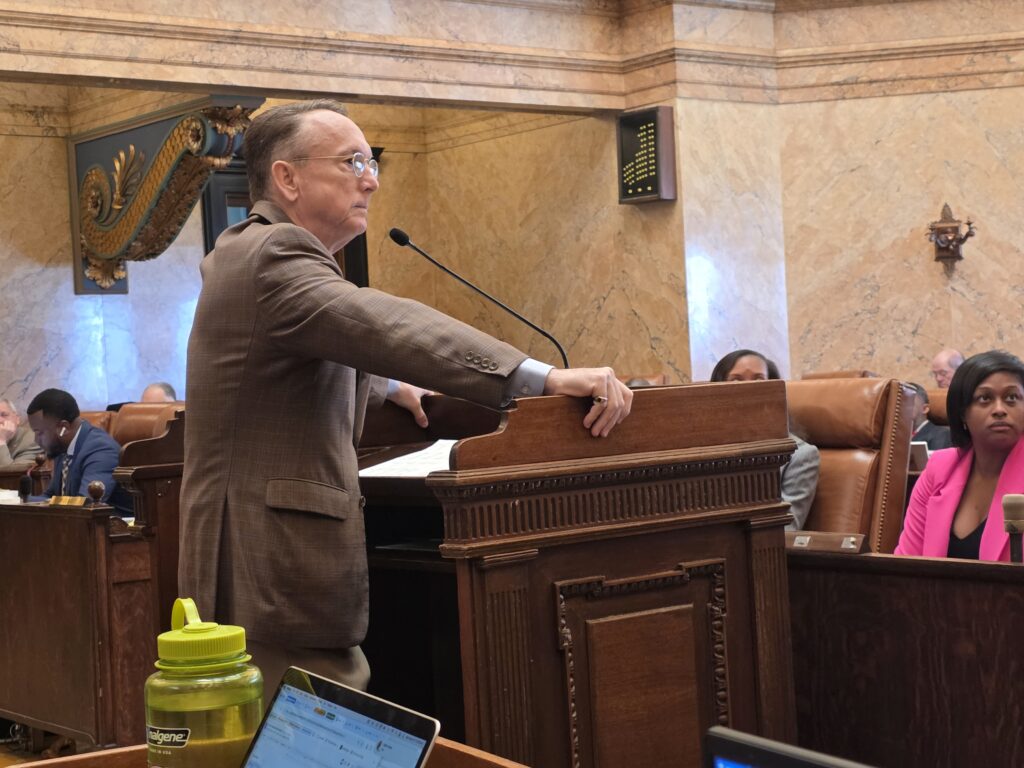
DeBar told the Senate that while this is a one-time increase in salary, the Legislature does have the option to raise pay scales again next year. However, there was concern with promising raises for subsequent years at this point.
“With the way things are on the revenues and expenditures as we got going, you heard about Medicaid and so forth, you know about PERS and all the other expenditures we’re having. There’s nothing that says we can’t do a pay raise next year. However we didn’t want to lock ourselves into something now that we couldn’t fund,” DeBar explained.
Several school districts are still receiving their funding based on the hold harmless provision. DeBar reminded the Senate that this will be the last year those 31 districts will receive hold harmless funding levels as set forth under the new funding model.
“And so, they will be funded based on the number of students that they have rather than the hold harmless that we held them for,” DeBar added.
Other programs funded under HB 1935 include $1.4 million to the Charter School Authorizer Board, $21.6 million for the Chickasaw Interest Fund, and $115.2 million for vocational technical education.
To provide the teacher pay raises, the base student cost was increased to $7,201.77, an increase from last year’s amount of about $6,845.
Earlier in the session, Senator DeBar expressed concern with putting the teacher pay raises within the student funding formula, but the House and Senate came to an agreement on that during conference.
“We would have liked to keep it outside the formula but we had no problem putting it in the formula this year,” DeBar said. “It didn’t make much difference in the long run.”
To cover the student funding formula, the state set aside $3.07 billion, which is $75 million above the legislative budget recommendation. Another $2.1 billion is set aside to cover the general education budget, an increase of $31 million over LBR.
The budget also includes $9 million for the literacy initiative, $3.48 million for the Math Act, $5.1 million for a state testing contract increase, and $121,000 for a financial literacy coordinator.
Raises of $2,000 annually for professors at the state’s public universities and community colleges are also being provided this session, but those raises are included in a conference report for other bills, DeBar said.