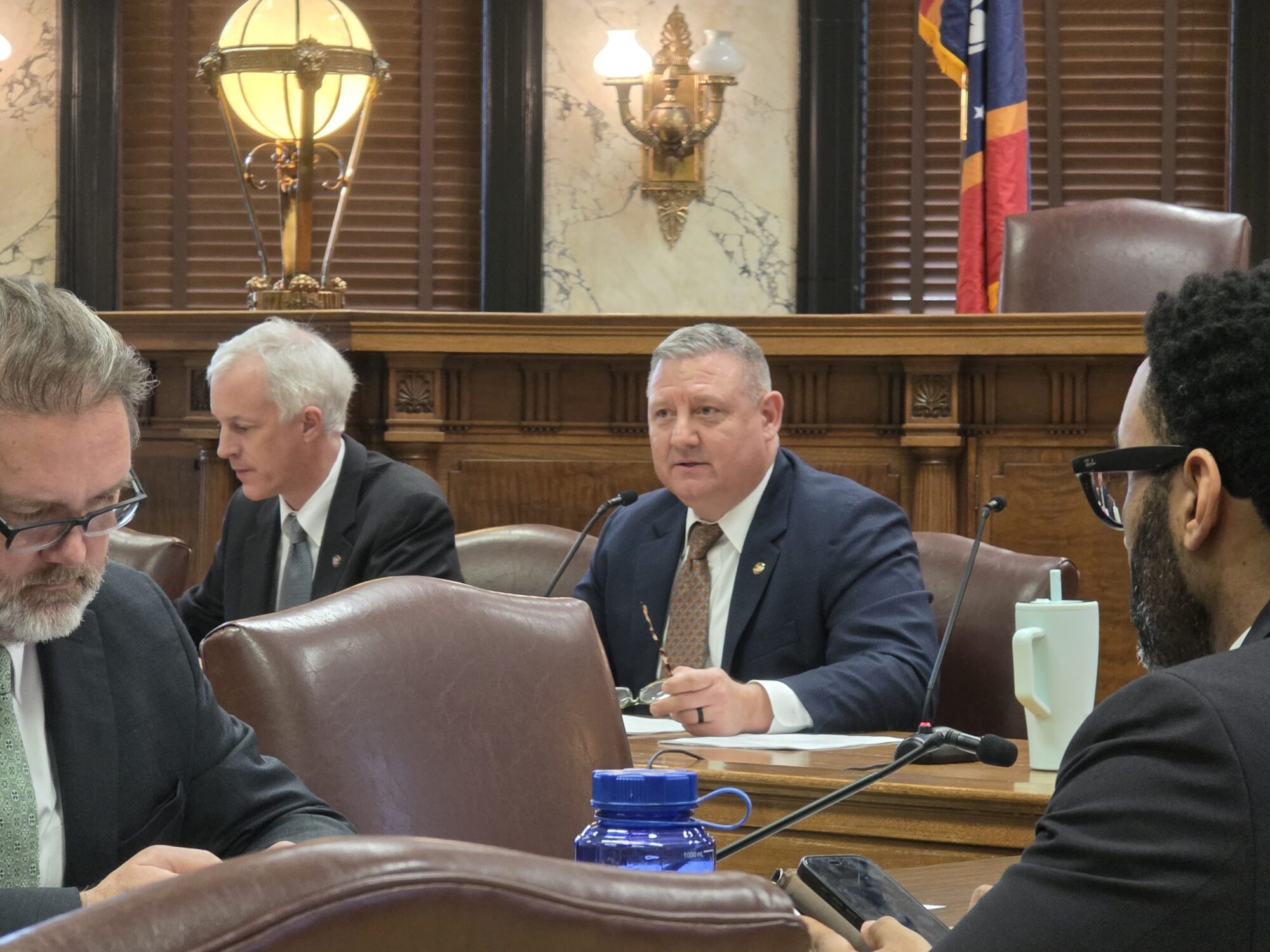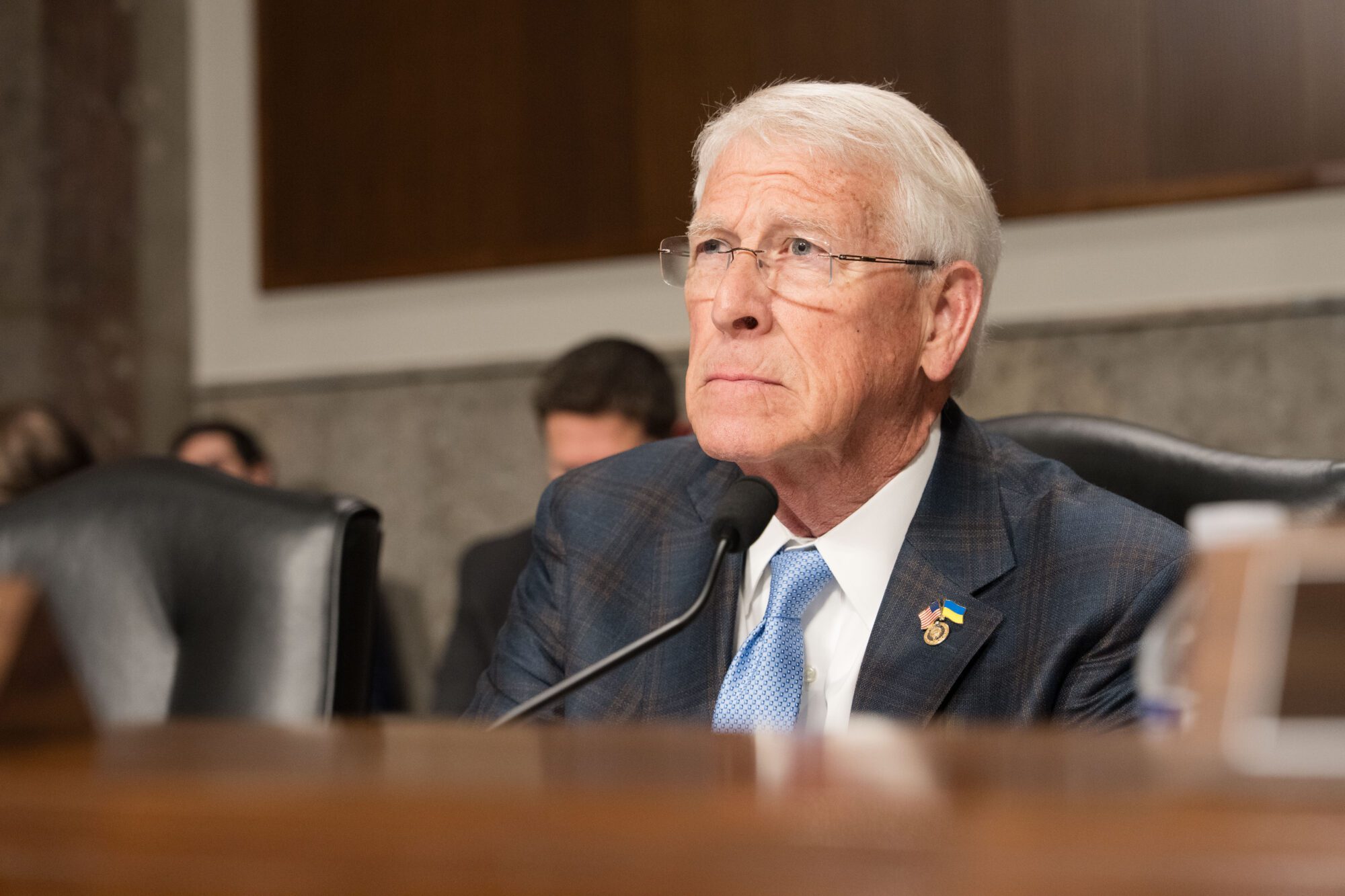
(Photo from Rod Hickman on Facebook)
- “I am disappointed, but this is the second year we’ve [the Senate] advanced this legislation; sometimes it takes years to get things done,” said State Senator Rod Hickman (D), the bill’s author.
A bill to test Mississippi inmates for dyslexia died on the legislative calendar Friday, the second year the legislation failed to advance to the governor’s desk.
“I am disappointed, but this is the second year we’ve [the Senate] advanced this legislation; sometimes it takes years to get things done,” said State Senator Rod Hickman (D), the bill’s author.
SB 2041 began as a simple three-page bill directing the Mississippi Department of Corrections to test entering inmates for dyslexia as part of a comprehensive study. However, the measure ended its life as a 43-page measure filled with requirements ranging from review boards, legal exemptions, and more.
“I’m almost certain that the major overhaul and changes from a simple three-page bill to a 43-page one is what caused it to die on the calendar,” Hickman told Magnolia Tribune.
Surrounding states that test inmates for dyslexia found about half have a learning disability, which normally impacts reading and language skills. In the general population, dyslexia has been diagnosed in between 5 and 15 percent of people.
The disability involves difficulty reading due to problems identifying speech sounds and learning how they relate to letters and words. Also called reading disability, dyslexia is a result of individual differences in areas of the brain that process language, according to the Mayo Clinic.
Senator Hickman said earlier in the session that inmates diagnosed with dyslexia are committing “crimes across the board” for “crimes of necessity.”
Under Hickman’s bill, MDOC would have been required to collect background information on inmates, such as their age, gender, race, and highest grade completed along with their prior education resources.
The department would have then offered an analysis of how dyslexia correlates with educational attainment, disciplinary history, and recidivism.
The senator said each test would have cost about $5 but save Mississippi much more in the end. Supporters content that it costs less to educate an individual than to incarcerate one.
When Senator Hickman’s bill was introduced in early February, State Senator Jeremy England (R) said testing could allow the state to move money from corrections to education, leading to the state being able to direct money spent on corrections towards education. He added that the bill could “remediate some of these very bright young children that don’t currently have that opportunity.”
Senator Hickman agreed, saying, “I think it’s an important piece of legislation that will yield a great RIO [Return on Investment] for the state, so I plan to introduce it again next year.”