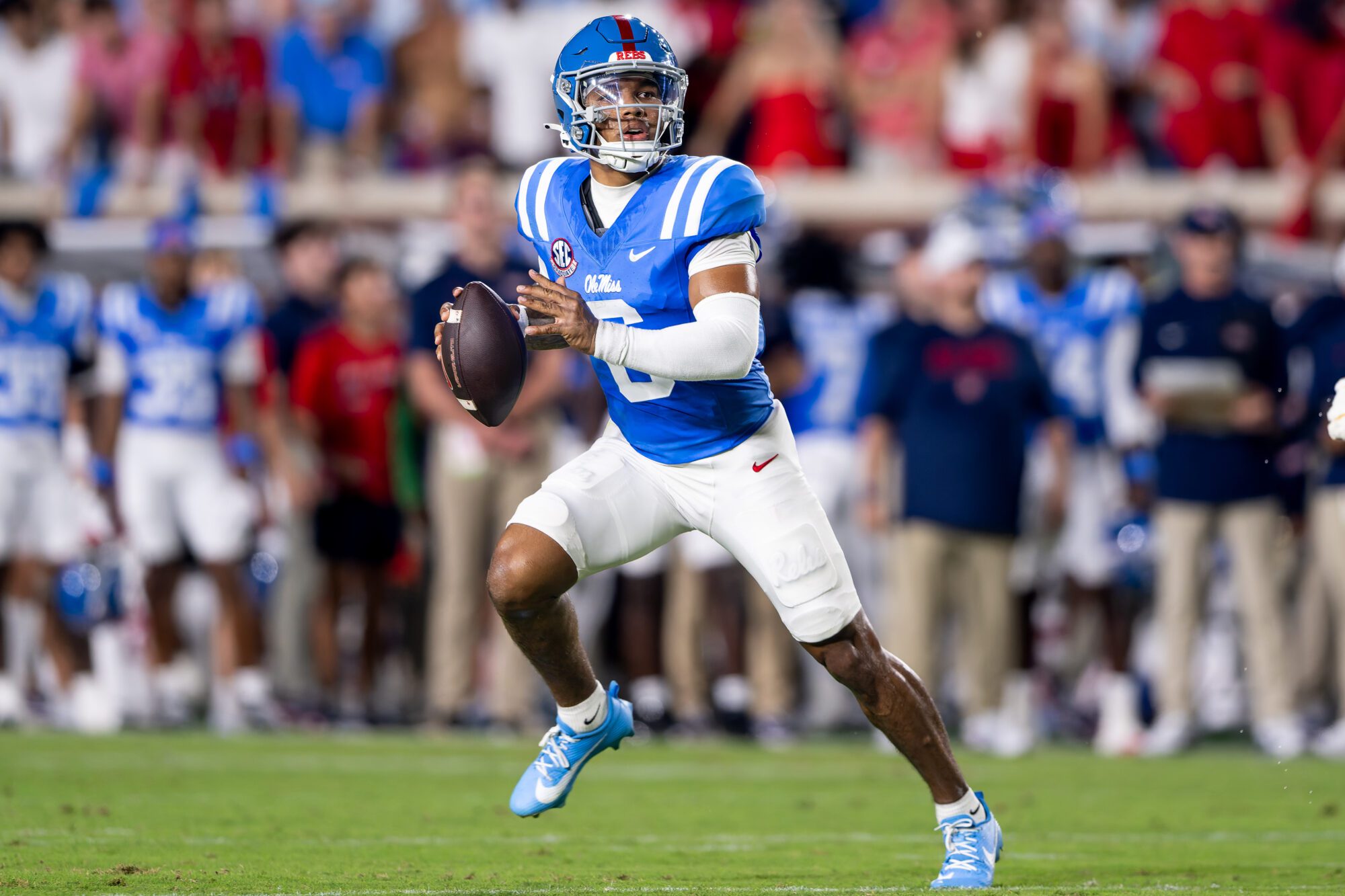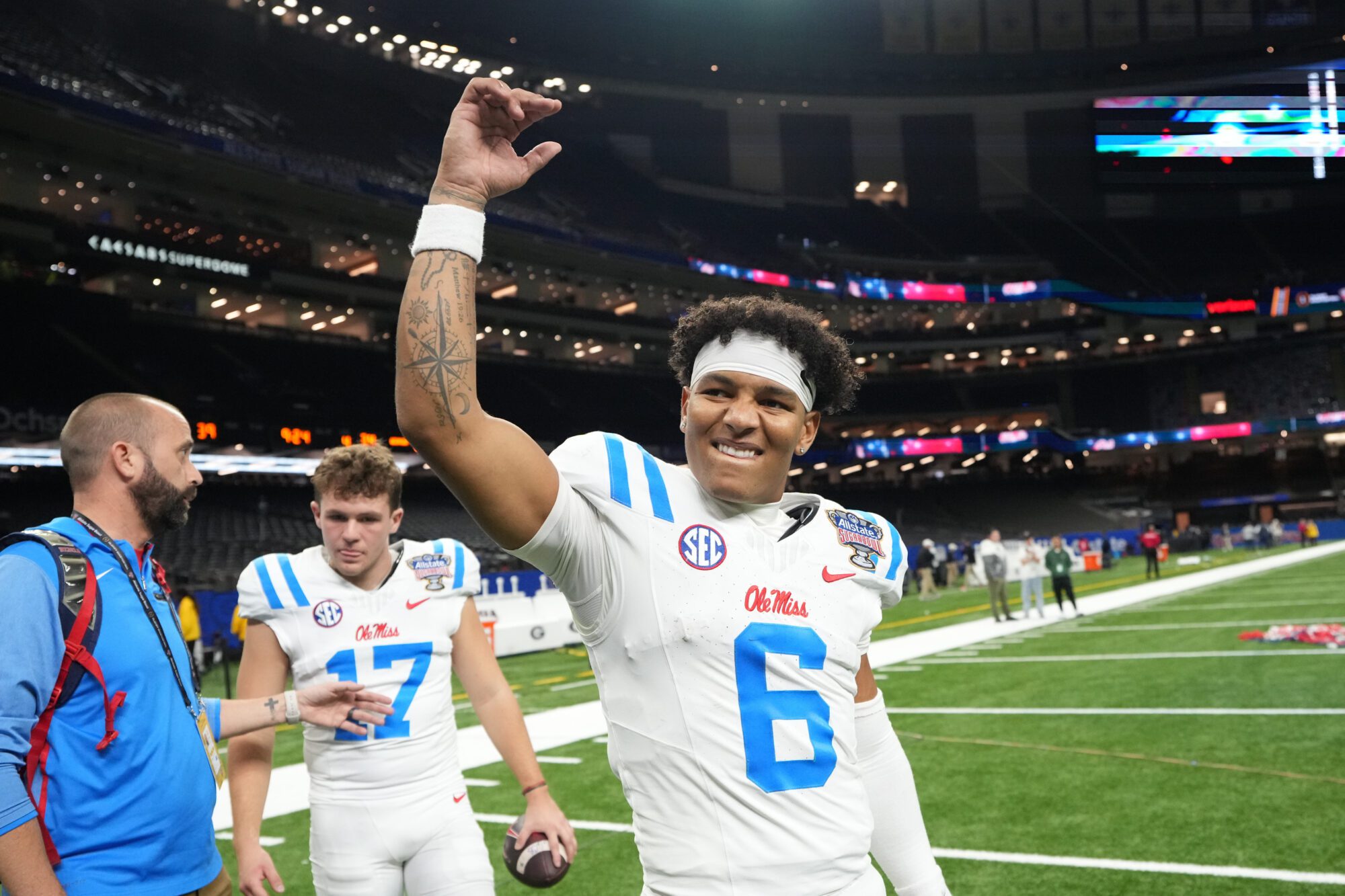
Mississippi quarterback Trinidad Chambliss (6) celebrates after the Sugar Bowl NCAA college football playoff quarterfinal game against Georgia in New Orleans, Thursday, Jan. 1, 2026. (AP Photo/Mathew Hinton)
Listen to the audio version of this article (generated by AI).
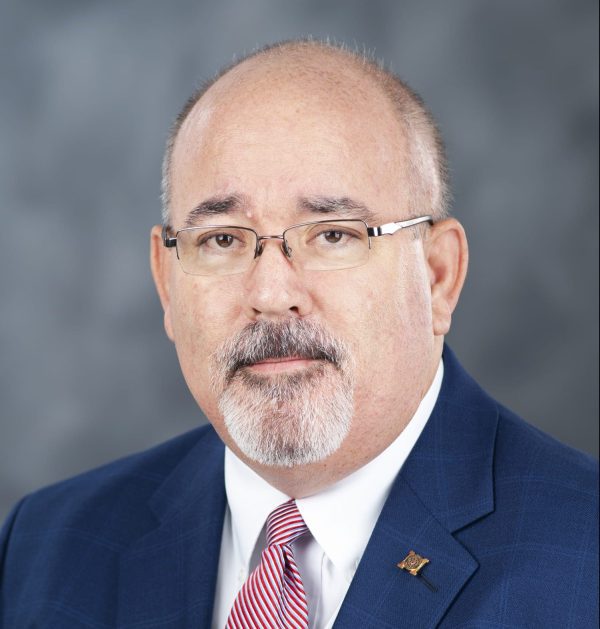
- Judge Robert Whitwell found the NCAA’s denial of a sixth year of eligibility for the Ole Miss quarterback to be in bad faith, holding that officials had ignored evidence of medical incapacitation early in Chambliss’ collegiate career.
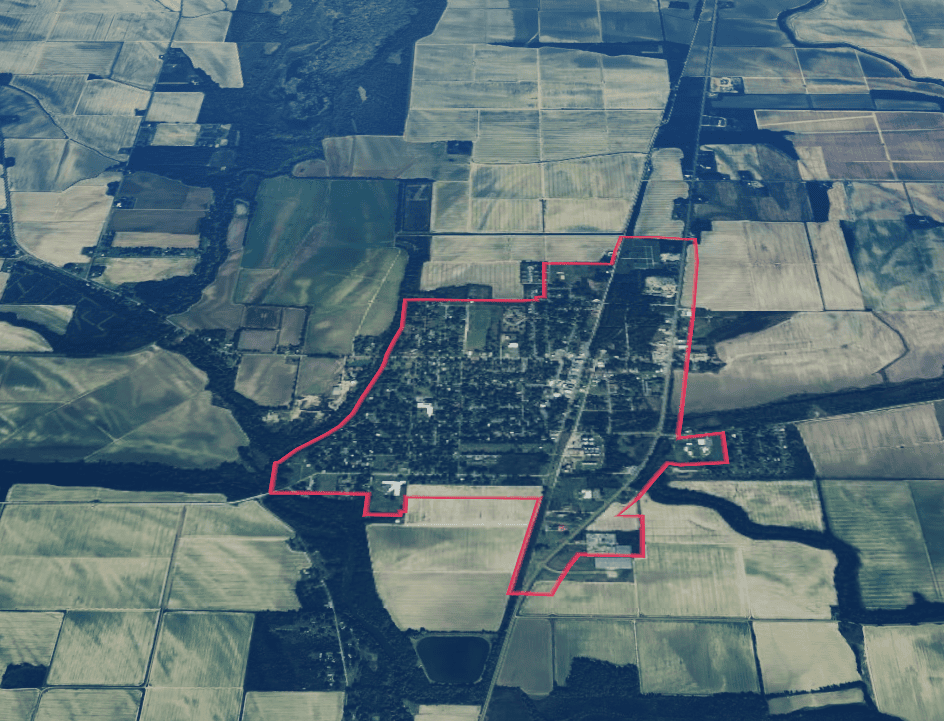
Judge Robert Whitwell granted Ole Miss quarterback Trinidad Chambliss motion for a preliminary injunction late Thursday from his bench in that Calhoun County Courthouse. Chambliss was challenging the NCAA’s decision not to grant a sixth year of eligibility to play college football.
Barring successful appeal of Whitwell’s ruling, the decision likely means Chambliss will return under center for the Rebels during 2026-2027 football season.
The hearing was at times contentious, with the judge describing the NCAA’s conduct as “disrespectful and almost ludicrous.” Questions and arguments made by Whitwell from the bench during the multiple hours hearing left little doubt how he would rule. The lengthy decision read by the judge at the end of the day took over an hour, suggesting much of it had been written prior to the day’s hearing.
The attorneys representing the NCAA vacated the courtroom prior to the decision being handed down, a move that prompted Whitwell to say a show cause order would be issued to determine if they should be held in contempt of court.
The nearly day-long proceeding featured testimony from medical experts, coaches, family members, and Chambliss himself, as his attorneys argued that the NCAA improperly denied a medical redshirt and acted in bad faith when rejecting his waiver request.
Chambliss, a Michigan native, began his career at Division II Ferris State. He redshirted in 2021 and played only two games in 2022 due to respiratory issues before returning to full strength later in his career.
After leading Ferris State to a national championship in 2024, he transferred to Ole Miss for the 2025 season, where he became the starting quarterback and helped lead the Rebels to a 13-2 record and a College Football Playoff semifinal appearance.
Ole Miss sought an additional year of eligibility for Chambliss, arguing that his limited action in 2022 should qualify as a medical redshirt. The NCAA denied the waiver in January and rejected his appeal in early February, prompting the lawsuit in Mississippi state court.
The NCAA did not call any witnesses during the hearing, instead relying on legal arguments and prior documentation in the case.
The judge found that the NCAA had failed to properly consider Chambliss’ medical evidence and that denying him another year would cause “irreparable harm,” part of the legal standard required to grant a preliminary injunction.
He also concluded that the governing body had not acted in good faith when evaluating the waiver request — again part of the legal standard at play in the case.
The injunction bars the NCAA from enforcing its eligibility decision against Chambliss while the case proceeds, effectively allowing him to play for Ole Miss in 2026.
The ruling is preliminary, meaning the underlying lawsuit will continue, and the NCAA retains the option to appeal the decision to the Mississippi Supreme Court in what is called an interlocutory appeal (essentially before the case is completed).
Still, the injunction provides immediate relief to Chambliss and Ole Miss, allowing him to prepare for the upcoming season as the team’s projected starting quarterback.
The case is the latest in a growing wave of lawsuits by college athletes challenging NCAA eligibility decisions in state and federal courts.