Joint legislative committee discusses Mississippi’s Rural Health Transformation Program
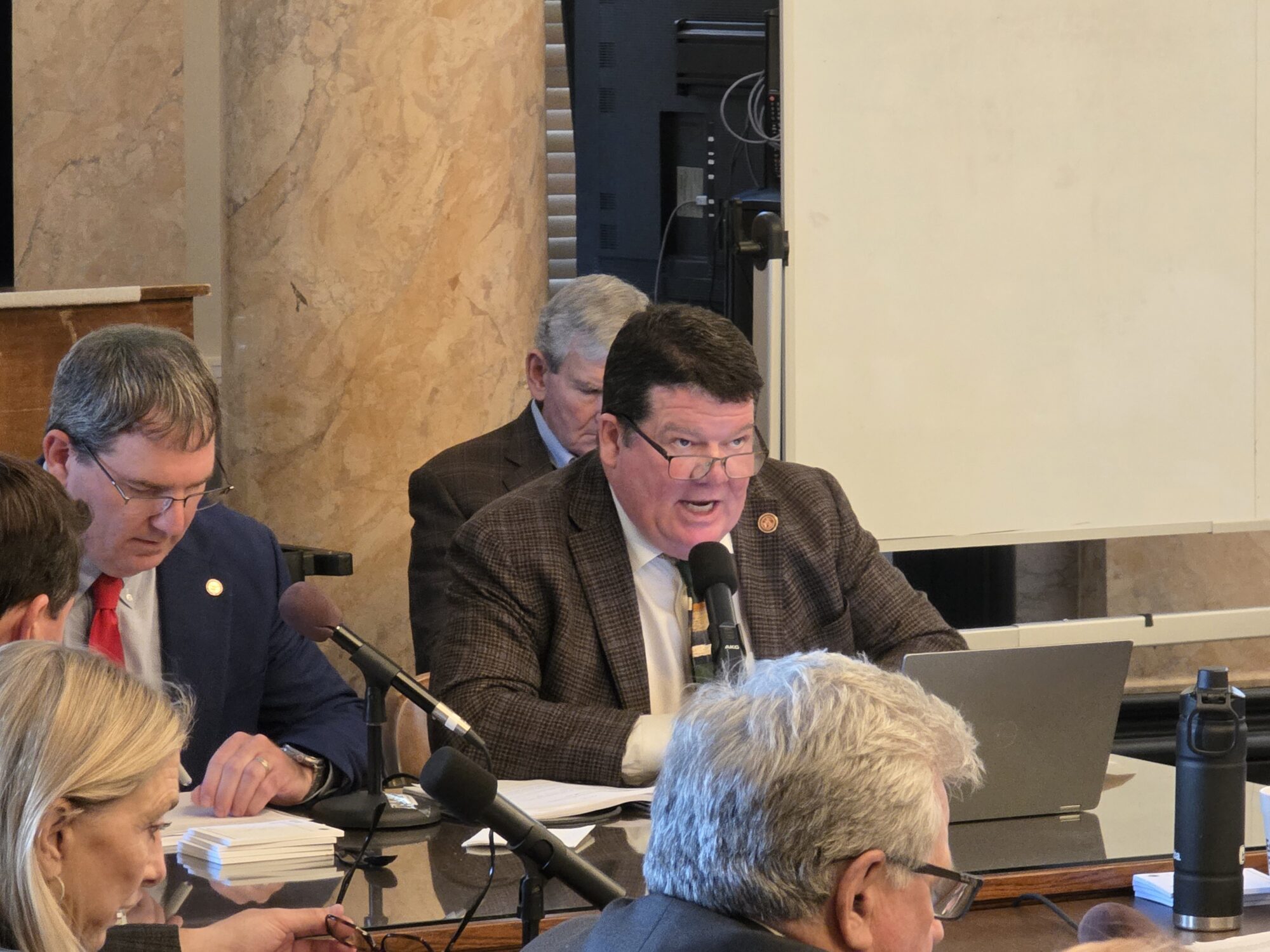
Rep. Samuel Creekmore (R), Chair of the House's Public Health and Human Services Committee, heads a meeting held Tuesday afternoon where five bills passed out of the committee. (Photo by Jeremy Pittari | Magnolia Tribune)
- Lawmakers were told that Mississippi was one of only two states in the nation where the governor’s office had a role in administering the program. Lawmakers plan to reconvene next week to hear from the state’s project director.
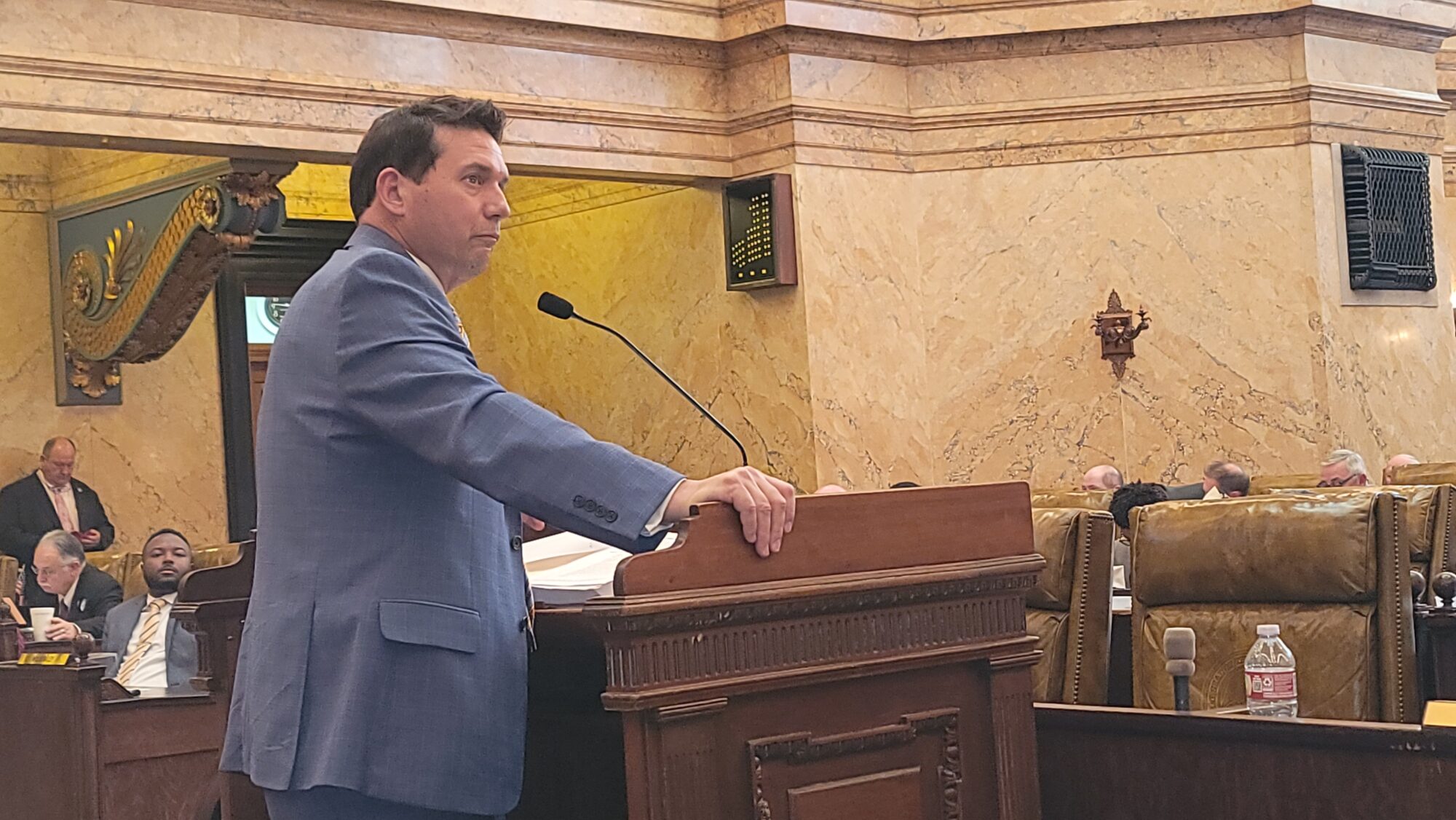
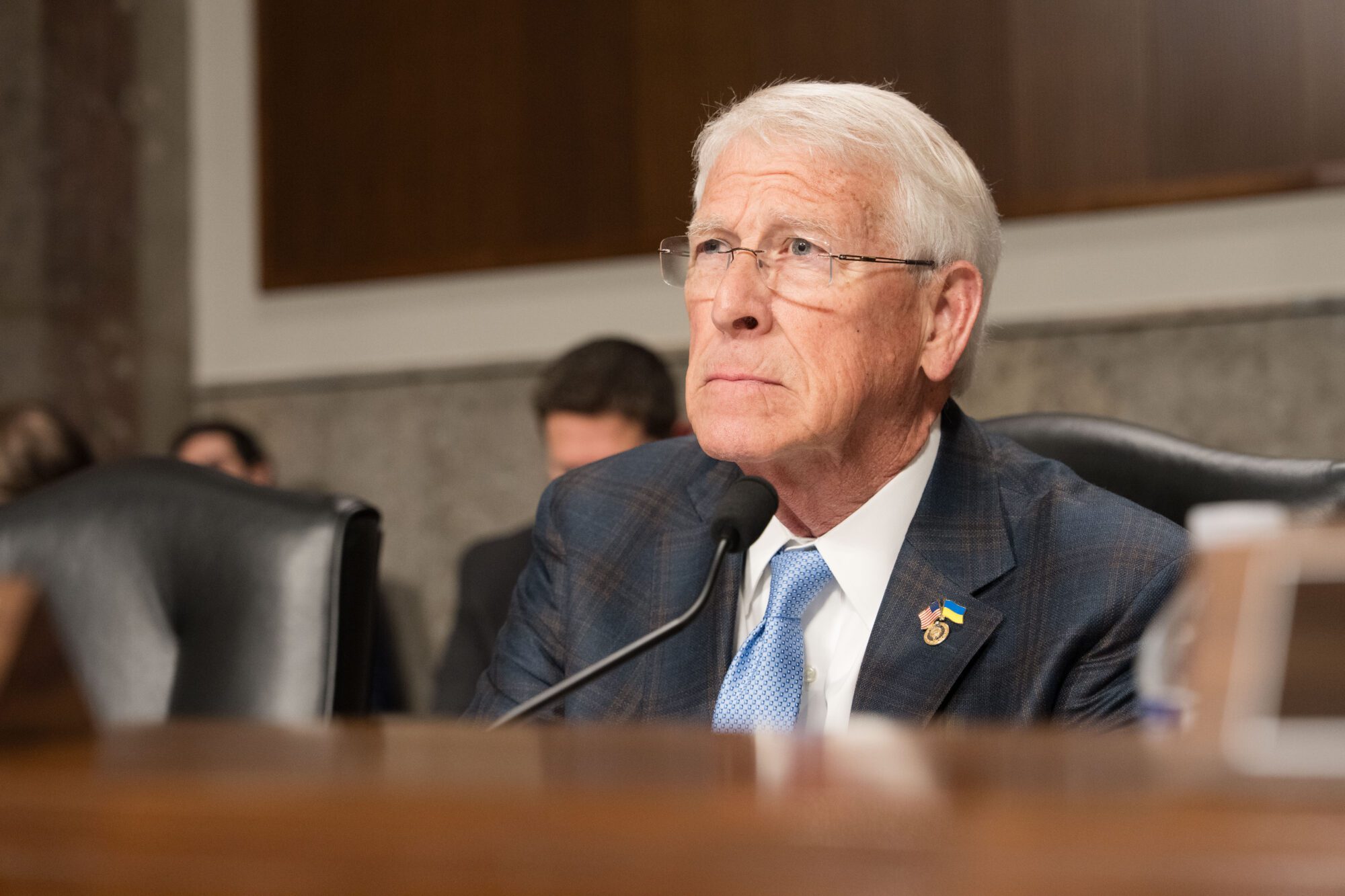
A joint Public Health and Welfare Committee meeting was held Thursday at the State Capitol where lawmakers discussed Mississippi’s Rural Health Transformation Program.
Jamila McLean, the Director of Health Equity for the State Health and Value Strategies through Princeton University, told the committee there has been a lack of transparency in Mississippi’s establishment and approval of the Rural Health Transformation Program. She called Mississippi an “outlier” among that state’s when it comes to the information available on how the funds in the program are being spent.
State Rep. Samuel Creekmore (R), chairman of the House Public Health and Welfare Committee, told Magnolia Tribune the project director of Mississippi’s Rural Health Transformation Program, Richard Grimes, was also scheduled to meet with the committee but was unable to attend.
“We’ve asked him to testify before us. We gave him [Thursday] as the deadline and he has been so busy he couldn’t find time to meet with us for an hour,” Creekmore said, adding that Grimes indicated that he could meet with the committee next week.
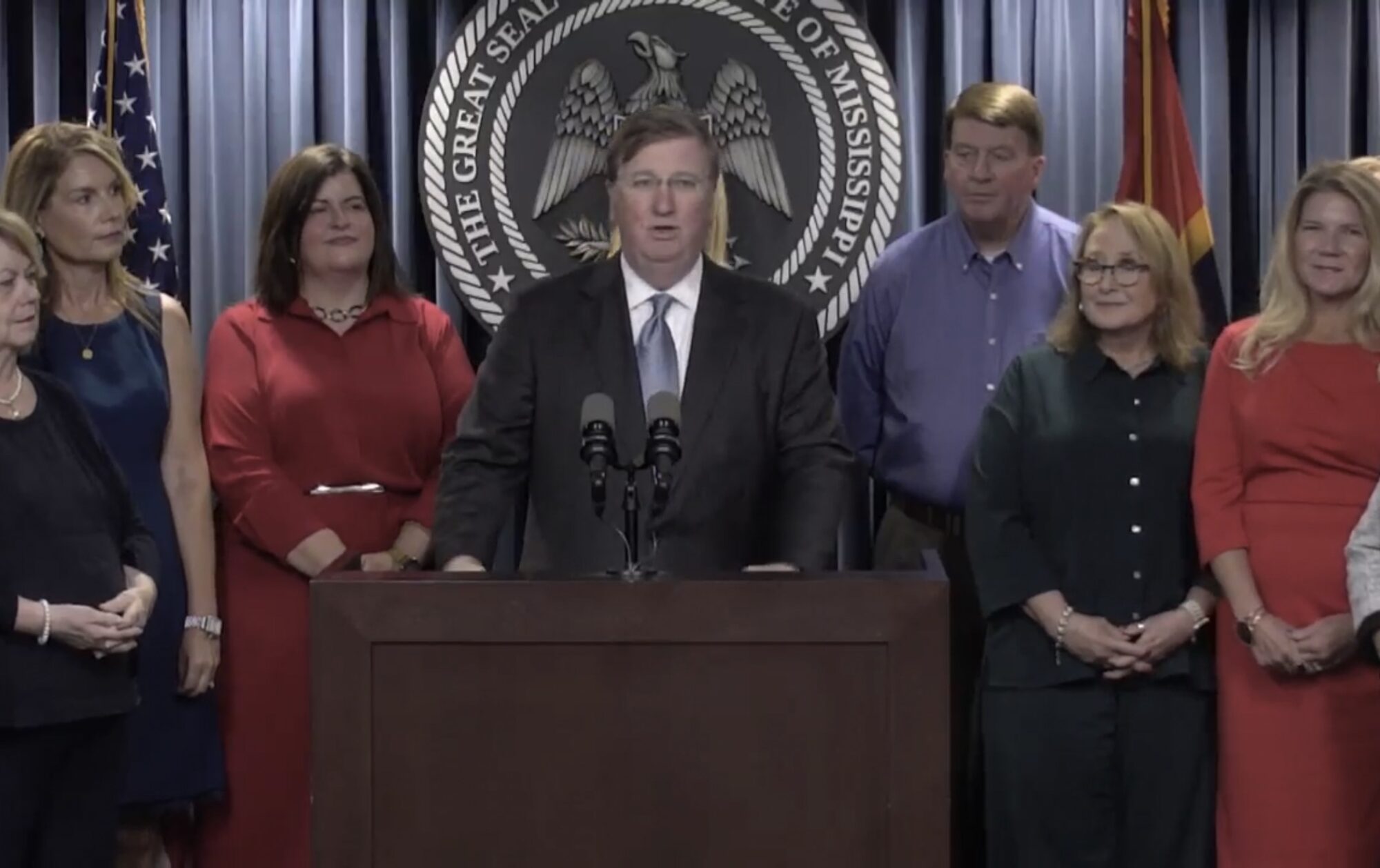
As part of the application process, Governor Tate Reeves (R) established the Mississippi Rural Health Transformation Program Office and appointed Grimes as director. The Rural Health Transformation Program in Mississippi received $205 million in the first of five years worth of grants geared toward developing programs and services to increase access to healthcare in rural areas of the state. Total awards to the state over the five years are expected to total $1 billion.
The governor said Friday in a social media post that funding opportunities are launching soon through Mississippi’s Rural Health Transformation Program.
“The first three grant opportunities will support projects focused on: Addressing rural healthcare gaps through capital investments, Expanding telehealth access and capabilities, and Strengthening healthcare technology and infrastructure,” Reeves posted on Facebook. “Beginning June 1, the state will share information about these opportunities, including eligibility details, funding priorities, and application requirements.”
The governor noted that applications will open June 15 and close July 15, saying applications will be reviewed through the end of July and awards will be released in August.
He encouraged those interested to visit MississippiRHTP.com to register for the June 1 webinar and to receive program updates and application information.
This session, Governor Reeves vetoed a bill authored by state Senator Hob Bryan (D), SB 2477, that sought to require a competitive bidding process for the establishment of a state health information exchange, restricting the use of the state’s emergency purchase procedure. It would have also required every agency that awards grants or funds derived from the Rural Health Transformation Program to submit quarterly spending reports to the Legislature.
READ MORE: Governor vetoes bill he says risked Mississippi losing nearly $1 billion in potential rural healthcare funding
Governor Reeves said that while no doubt well intentioned, SB 2477 would have significantly slowed down the awarding of RHTP federal funds “by imposing redundant and unnecessary requirements on subgrants thereby putting $205.9 million in already-approved funding at immediate risk of clawback.”
“In addition, Senate Bill 2477 risks the State losing a minimum of $800 million in potential funding in Years 2-5 of the grant cycle,” Reeves concluded. “Thus, the risk of loss which could exceed $1 billion in much-needed funding to improve rural healthcare is too great, and I am compelled to veto Senate Bill 2477 at this time.”
During Thursday’s joint meeting in Jackson, the group from Princeton noted the differences in how other states implemented their Rural Health Transformation Programs.
“It really helped us prepare and get a perspective in how other states are doing it compared to Mississippi,” Rep. Creekmore said.
One of the findings presented was that Rhode Island and Mississippi’s executive branches were the only two in the nation that had a role in administering the Rural Health Transformation Program, Creekmore described.
“And out of all of the states, Mississippi has been the least transparent throughout this entire process to this point,” Creekmore said of the report’s findings. “We were the least transparent, according to this group.”
Three states did not seek public input when establishing their programs: Mississippi, New Mexico and Colorado.
The presentation from the Princeton group also stated that Mississippi’s executive branch is running the program without much input from legislators, Creekmore said.
“It seems to be a closed-in group. And next week they’ll come out and tell us what they’re doing,” Creekmore said. “Maybe they’ll get it all worked out. Maybe their plan is so great, we’ll see. We want it to be.”
Lawmakers plan to reconvene next week to hear from Grimes. That meeting is set for June 4 at 2:30 p.m.