Senate removes steering prohibition from PBM reform bill
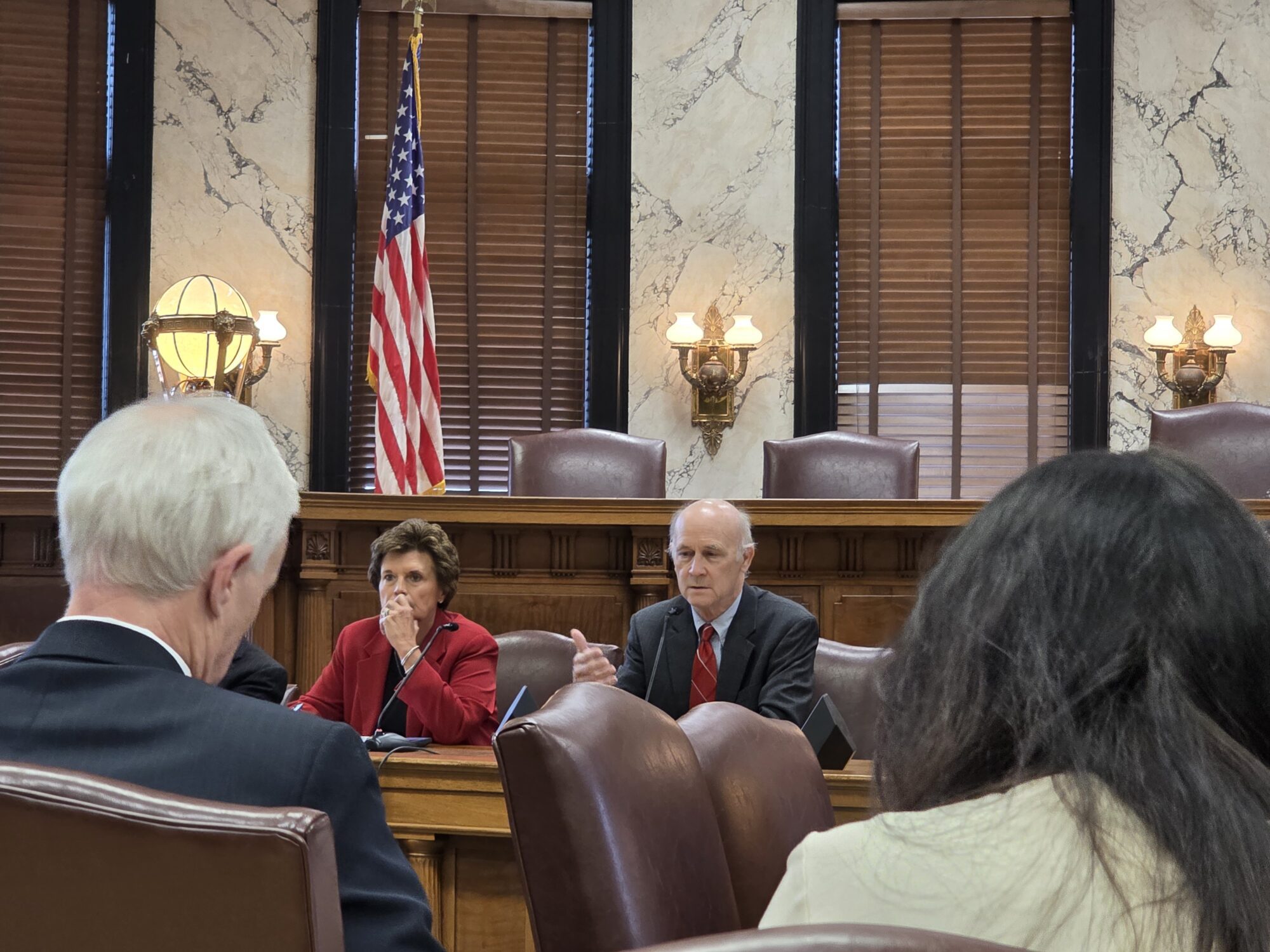
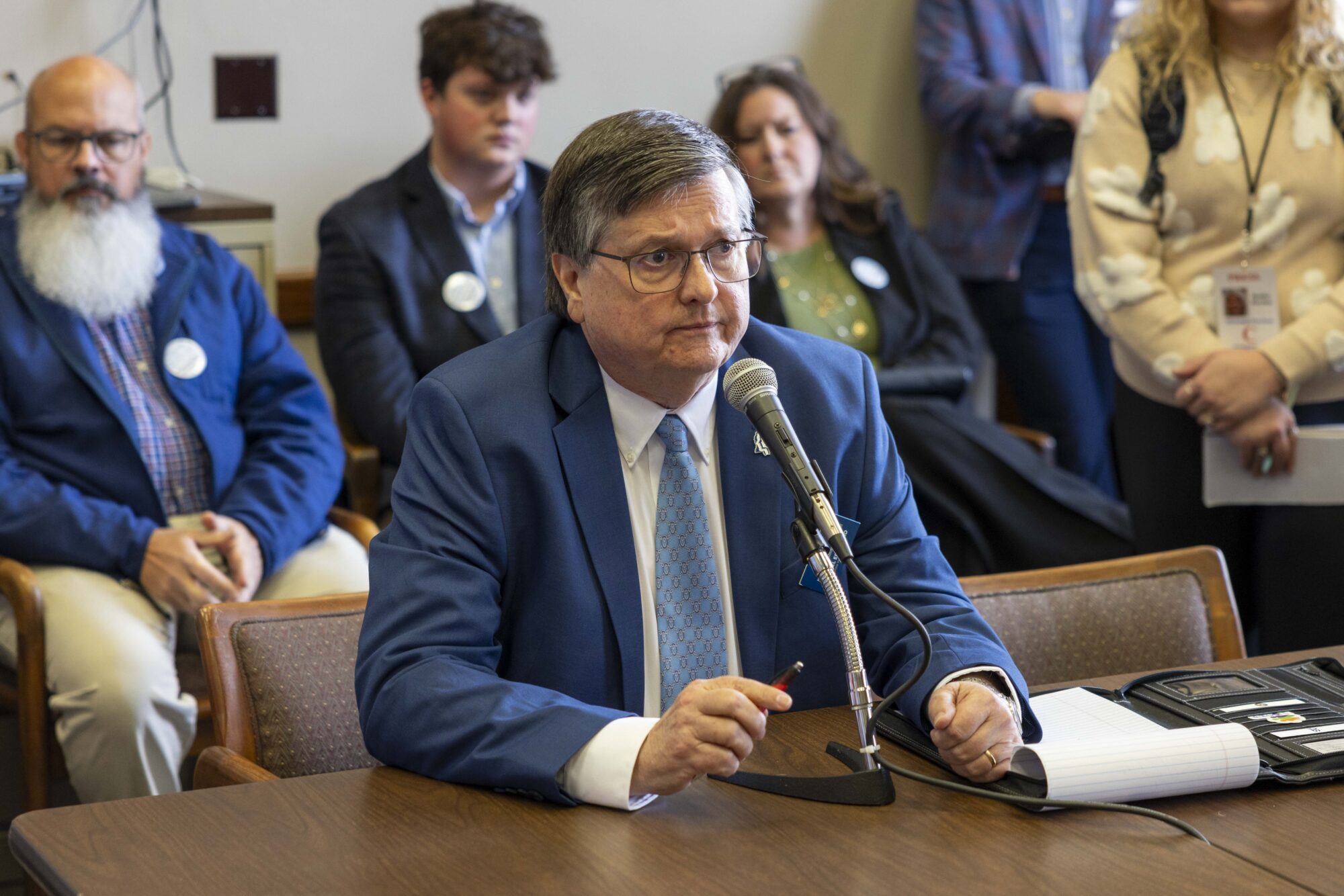
From left, Senators Rita Parks (R) and Hob Bryan (D) discuss bills during the 2026 legislative session. (Photo by Jeremy Pittari | Magnolia Tribune)
- State Senator Rita Parks said concessions were made to ensure the regulation of PBMs stays with the Board of Pharmacy.
The Senate Public Health Committee adopted a strike-all amendment to the House’s Pharmacy Benefit Manager reform bill this week that removed steering prohibitions.
During discussion of HB 1665, State Senator Rita Parks (R) said the strike-all amendment addresses several major concerns with the original version of the bill.
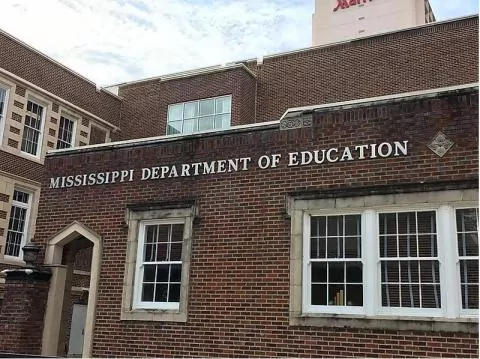
Under the House version, the only measure alive this session to put forth PBM reforms, oversight of PBM’s would have been moved from the Board of Pharmacy to the Insurance Commissioner. The strike-all keeps the authority with the Department of Pharmacy.
“This bill had no monies to provide for the Commissioner of Insurance to take this over,” Parks said. “It makes more sense to leave it with the Board of Pharmacy.”
Parks told Magnolia Tribune that her strike-all amendment did remove steering language from the House’s version of the bill. As such, PBMs will still be permitted to steer patients to affiliate pharmacies. In exchange, independent pharmacies will receive a new payment methodology.
“The methodology of payment the total reimbursement pharmacy benefit manager or PSO for the dispensing of prescription drugs and other products and supplies shall be a net amount not less or greater than the total reimbursement pay to its pharmacy benefit manager’s affiliates or the total reimbursement paid by the Mississippi Division of Medicaid and its pharmacy reimbursement methodology,” Parks read from the bill.
In place of the Medicaid payment methodology and affiliate reimbursement rates the independent pharmacists were willing to give up steering reform for the more important aspects of fair reimbursement while ensuring the regulatory authority of PBMs stays with the Board of Pharmacy That payment methodology would be used instead of rebates, Parks described.
The strike-all amendment also does not ban PBMs from having affiliate pharmacies.
“We’re not trying to do away with any CVS’ or we’re not trying to do away with Caremark,” Parks said. “I think the bottom line is, we want to try to get something, we want to work with the House. It’s hopeful that the House is going to come to an agreement and let’s get these independent pharmacies some relief.”
Parks added, “We’ve lost 55 since 2021, and they are a major contributor to our constituents’ health in rural Mississippi.”
State Senator Jeremy England (R) expressed concern that the strike-all amendment does not address steering when the bill was brought up in the Senate committee meeting this week.
“When I got asked to look at this bill, at House Bill 1665, and pass it with no amendments, I did just that. And I think we’ve got a good bill in front of us in the form of HB 1665,” England said in opposition to the strike-all. “If we pass this strike-all, Senator Parks, I’m worried that we’re in the exact same spot we were in last year with the exact same issues that we were in last year.”
He went on to ask how the new language in the bill would affect the state health plan. Parks said her version of the bill will use the National Average Drug Acquisition Cost, which she believes will be 22% less than other avenues for the state health plan.
“If the prescription is only $10 and the co-pay is $25, then the patient would only pay $10,” Parks explained.
Parks argued that going with the NDAC rate would prevent cost inflations and eliminate the middleman who would stand to profit.
“It would be the NDAC cost plus the $11.29… the flat fee,” Parks said.
She continued by saying states neighboring Mississippi have adopted similar provisions set out in her strike-all amendment.
“We’re not walking on a limb that’s not been tested,” Parks told her colleagues. “We’re not walking on a limb where you hear all these states screaming that, ‘My prices have gotten higher,’ and the employer going, ‘Oh, my prices are higher.'”
Parks said this bill will help keep the independent pharmacies open.
“The reason for the steering not being in the bill, it was a concession,” Parks told Magnolia Tribune. “Normally with our business leaders, or companies around Mississippi, their issues are with the reimbursement and with the steering.”
Parks said her strike-all amendment essentially reinstated PBM reform language the Senate has introduced for the past three years.
The original House bill passed the chamber by a vote of 79 to 38 in early February. The Senate will now take up the amended version and if passed, the measure would go back to the House for consideration.