Sid Salter
- While the influence of Mississippi’s political establishment certainly helped secure the plant’s 43-year tenure, the bottom line has been the reliable quality of the work done by those Mississippi workers.
Call it the late U.S. Sen. John C. Stennis’s and U.S. Rep. Sonny Montgomery’s last great gifts to the people of central Mississippi. In Forest and Scott Counties, it’s been a gift that keeps on giving.
Back in 1983, Hughes Aircraft was still the company founded by eccentric billionaire Howard Hughes and owned by the medical institute he endowed that bore his name.
The Hughes name resonated with all kinds of personal and political intrigue – the outsized Hughes projects like the Spruce Goose, RKO Films, and Trans World Airlines (TWA). There was also the Hughes mystique, shrouded in legendary episodes of erratic, reclusive behavior and bizarre obsessions that obscured his legacy as a truly visionary aviator.
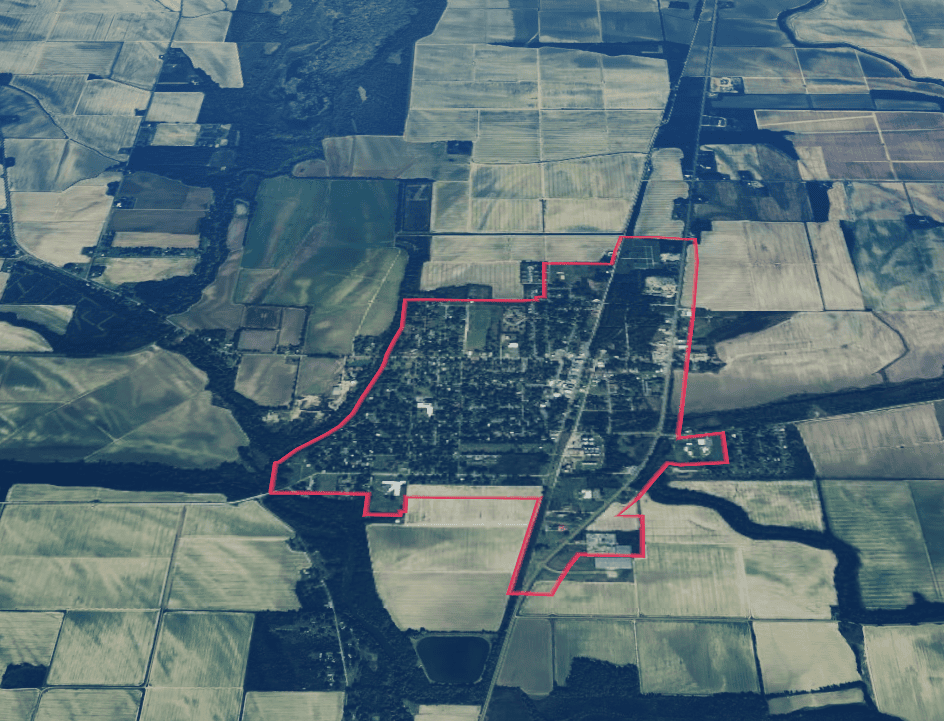
But in Scott County 43 years ago, the name Hughes Aircraft resonated as an opportunity for Mississippi workers to find jobs in a less difficult working environment than in the poultry or timber industries. One large factory near Forest had shuttered a few years earlier, leaving hundreds unemployed or underemployed.
The late Erle Johnston – a former weekly newspaper publisher – was the mayor of Forest at the time and had experience in economic development and statewide politics. Johnston used those skills and the powerful political clout of Stennis, the longtime chairman of the Senate Armed Services Committee, to help Forest land the Hughes Aircraft of Mississippi plant in 1983. Montgomery helped keep it and grow it.
The political baton for the growth, development and longevity of the defense plant was handed from Stennis to Montgomery – in whose district the plant was located – and then to U.S. Sens. Trent Lott and Thad Cochran.
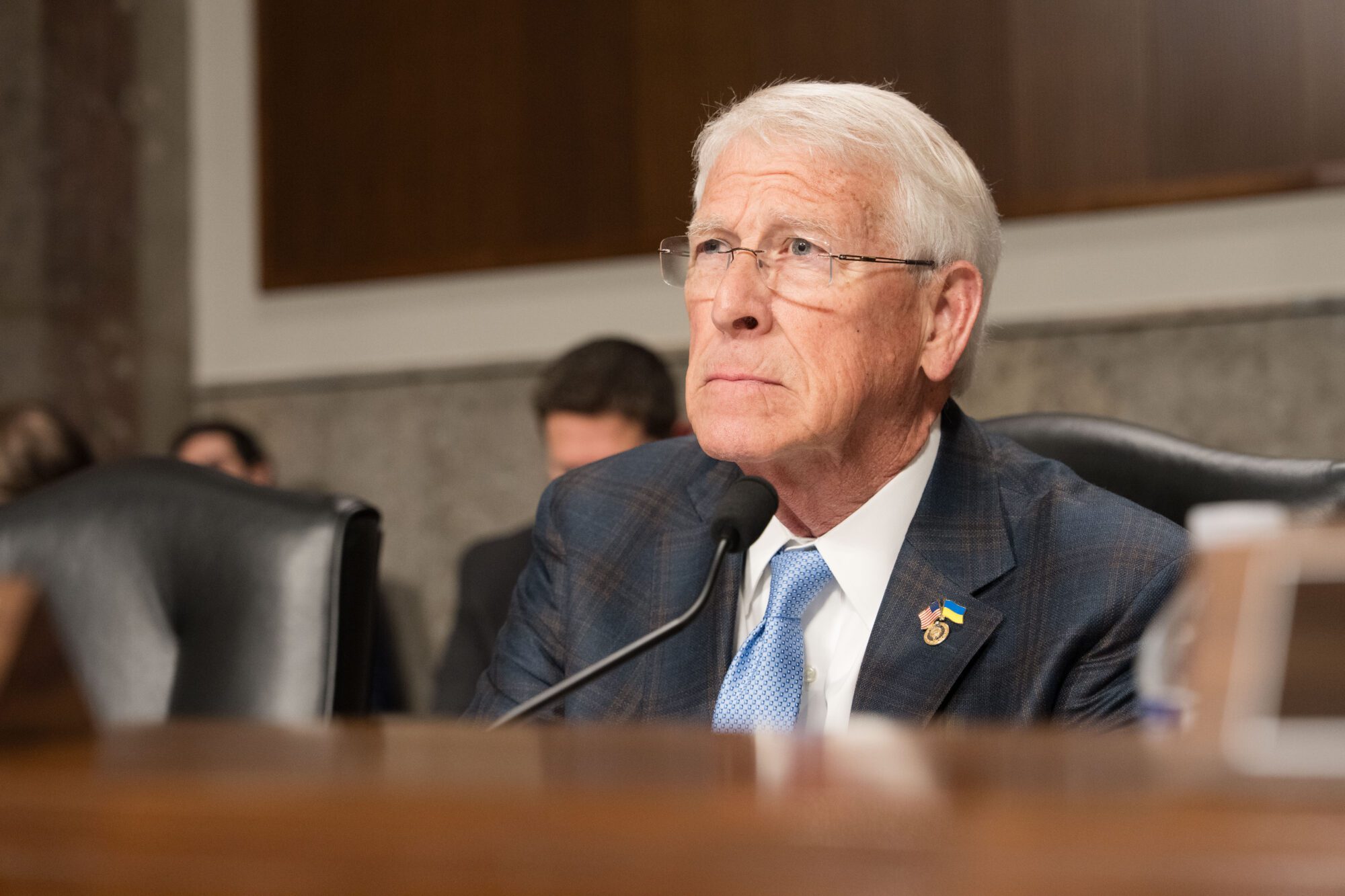
Later, Cochran’s vast power as Senate Appropriations Committee chair would be bolstered by help from U.S. Sen. Roger Wicker, who later rose to assume the Senate Armed Services chair once held by Stennis. In recent months, Wicker’s power has been increased as colleague U.S. Sen. Cindy Hyde-Smith has become the new chairman of the Senate Appropriations Committee’s Defense Appropriations Subcommittee.
In Congress, a defense program must be authorized before it can be funded. Wicker, as chair of SASC, leads the Senate’s authorization of military policy, troop levels, and military procurement programs through the National Defense Authorization Act. Hyde-Smith, as chair of the Senate Appropriations Committee’s Defense Appropriations Subcommittee, approves the actual dollars provided for the authorized programs and weapons.
Over the next four decades, Hughes and, later, Raytheon employees in Forest manufactured EPLRS (Enhanced Position Location Reporting System) backpack field communication technologies for the Army and the Marines, the guidance system for the MK-49 advanced capability torpedo for the Navy, guidance systems for the F/A 18 fighter and electronics for the Avenger Missile System and the Sentinel radar system for the Army.
While the influence of Mississippi’s political establishment certainly helped secure the plant’s 43-year tenure, the bottom line has been the reliable quality of the work done by those workers. Can Mississippians build high-tech, high-reliability defense systems and weapons? Yes, they can and yes, they have.
The people of Forest packed the Scott County Courthouse for the Hughes Aircraft announcement in 1983 as Johnston, Sen. Stennis, Rep. Montgomery and Gov. William Winter presided. I remember the looks of hope and expectation on the faces of those who wanted to succeed in workforce training that would help them win jobs at the initial Hughes Aircraft plant.
As the 24-year-old publisher of the Scott County Times, who could have known that the seeds that those visionary Mississippi leaders and others planted back then would continue to grow and bear fruit for the county, the state, and the nation over four decades later?
Last month, Raytheon completed a 17,000 square-foot expansion of the Forest manufacturing facility. Supported by a $50 million capital investment, the project boosted production capacity for critical electronic warfare and radar systems and is expected to create 100 high-skill jobs by 2028. The current Raytheon workforce at the Forest plant exceeds 1,000.
For 40 years, Raytheon has been part of the Forest community. Why? Mississippi workers proved time and again that they were up to the task.

Sid Salter