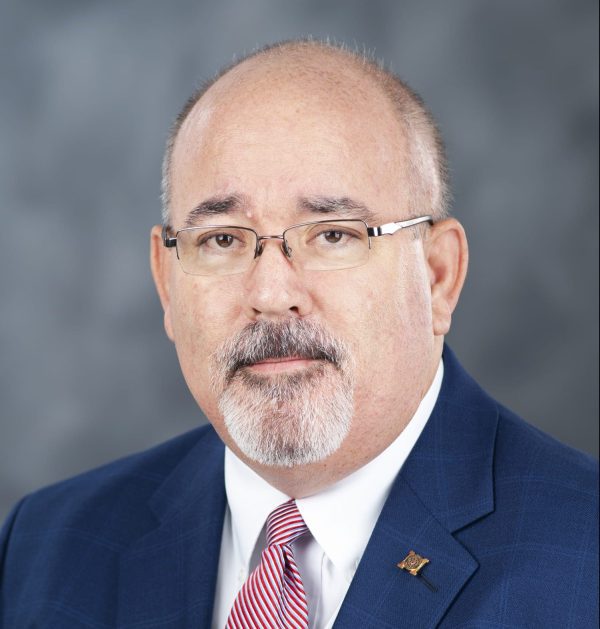
U.S. Senator Roger Wicker (R-MS)
- U.S. Senator Roger Wicker says while waterways have always been a key part of Mississippi commerce, in the last decade, the state has also become a hub of 21st century maritime science and innovation.
It’s been “Ocean Week” on Capitol Hill, and coastal states like Mississippi have taken the opportunity to showcase their contributions to the blue economy. Waterways have always been a key part of Mississippi commerce. Tourists are flocking to our beaches, lakes, and fisheries, and we have exported Mississippi ships and seafood across the globe. But in the last decade, we have also become a hub of 21st century maritime science and innovation.
Mississippi Built an Innovation Ecosystem
Mississippi hosts a network of researchers, scientists, military officials, entrepreneurs, and manufacturers, all developing the latest oceanographic technology. Analysts at the National Oceanic and Atmospheric Administration (NOAA) are building data models for precise weather forecasts. Researchers at the Thad Cochran Marine Aquaculture Center are developing the latest aquaculture farming methods.
Drone technology is a big part of this activity. When most Americans hear the word “drones,” they think of unmanned flying systems. But unmanned marine systems deserve recognition as the future of ocean exploration. Less than 50 percent of the ocean has been mapped. Increasing that figure would improve navigation, weather tracking, and national security strategy.
I have worked to support drone development. In 2018, I introduced and helped pass the Commercial Engagement Through Ocean Technology (CENOTE) Act. The law helped streamline drone production by bringing together leaders from the academy, industry, and the military.
That collaboration is in full force today. The University of Southern Mississippi partners with the U.S. Navy and private innovators. Pearl River Community College, Mississippi Gulf Coast Community College, and Hinds Community College partner with shipbuilders, meteorology and oceanography officials, and other experts. They equip young Mississippians to work in maritime manufacturing and drone production, as deckhands and tankermen, and in other sectors of the vast blue economy.
Benefits are Statewide
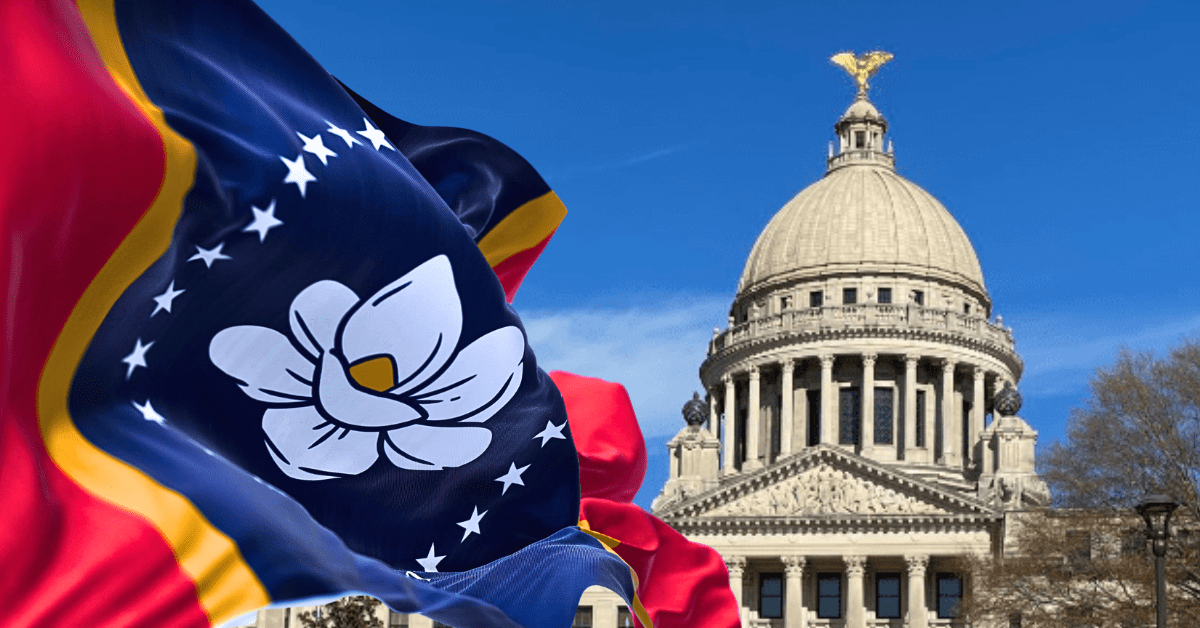
Mississippi built a blue economy knowledge base and workforce, and the world is responding. Maritime technology companies are making the Magnolia State home, drawn by our geography, business-friendly environment, affordable cost of living, and thriving innovation networks.
USM’s Gulf Blue Navigator program equips blue economy startups with management and growth tools while introducing them to what Mississippi has to offer. A number of maritime drone companies operate along the coast — including one that moved its entire headquarters to Gulfport.
All of Mississippi stands to gain. The blue economy creates research opportunities for students and professors across the state. New companies bring high-tech job opportunities for those students after graduation. Aquaculture farmers are benefiting. Artificial intelligence tools improve fish stock and water quality readings, and drones now help monitor illegal fishing. The armed forces have found numerous military applications for maritime drones. They can send constant intelligence signals and travel into dangerous waters without endangering service members.
Congress Bringing Federal Support
In Congress, I am advocating for a number of federal investments that would add to this bustling research ecosystem. Among them are efforts to improve storm and weather tracking at the National Data Buoy Center and to allow NOAA to acquire more maritime drones. Another would help complete a National Science Foundation research vessel that will be used by Southern Miss. I am also pushing to increase ongoing work at the Ole Miss School of Law, which addresses legal issues relating to coasts and oceans.
We have found that maritime research investment leads to improved technology, and that those new products ultimately inform the next rounds of scientific study. This innovation cycle shows no signs of slowing down. Instead, we will continue attracting innovative job creators to Mississippi, further solidifying our place as a blue economy leader.

Roger Wicker