(Photo from Shutterstock)
- The “Walker Montgomery Protecting Children Online Act” requires social media platforms to make reasonable efforts to prevent or mitigate children’s exposure to potentially harmful content while using the platforms. NetChoice, an industry trade group, says the law “replaces parental judgment with what the state thinks is best.”
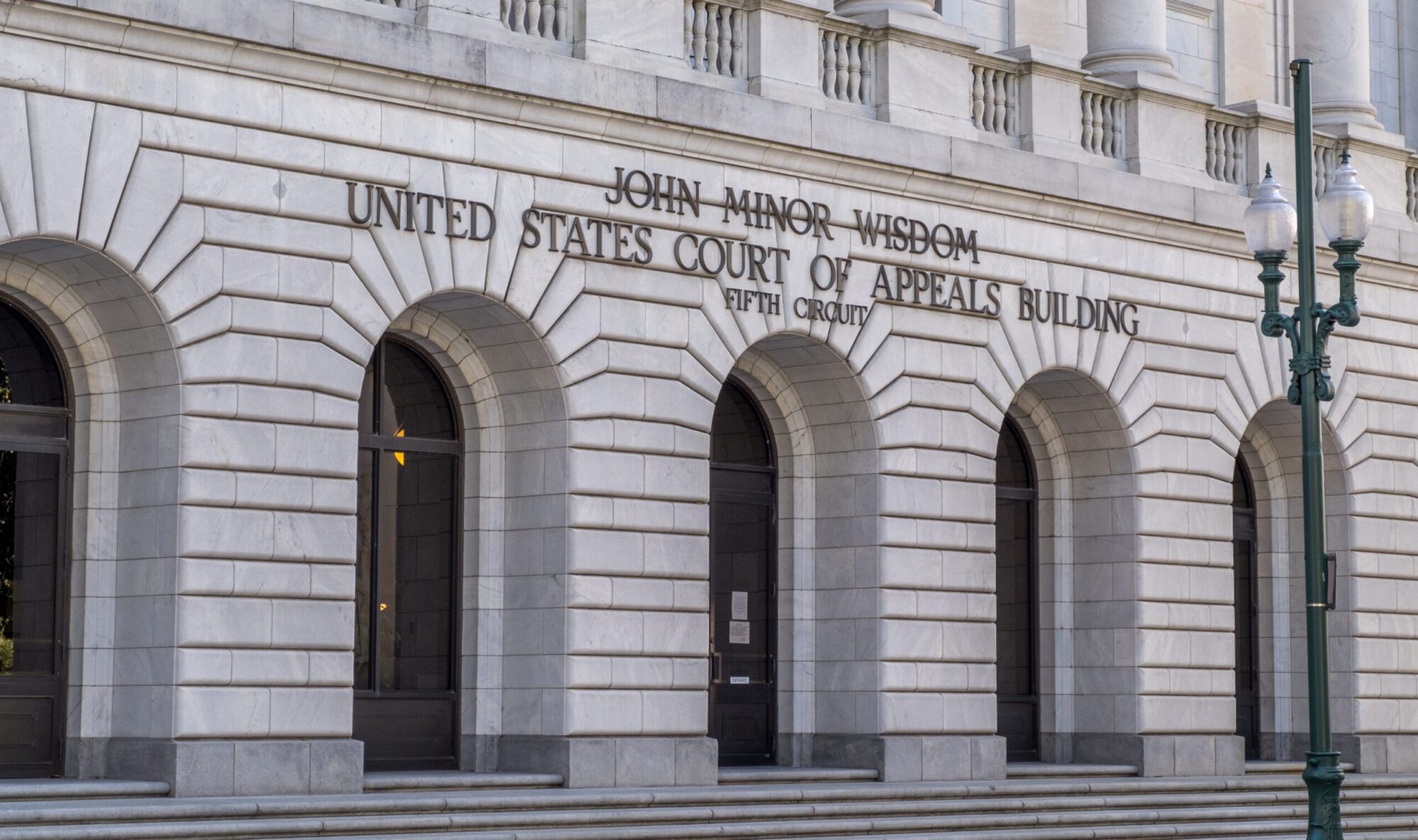
The U.S. Court of Appeals for the Fifth Circuit on Thursday vacated the second preliminary injunction sought by NetChoice that blocked Mississippi’s “Walker Montgomery Protecting Children Online Act,” HB 1126, sending the case back to the district court on remand.
NetChoice is a trade organization, whose members include Amazon, Google, Snap Inc., Meta, Netflix, X, and other prominent online platforms. The group has similar ongoing legal challenges in other states regarding age verification mandates on platforms.
NetChoice has argued that the law’s language is “dangerously vague” which forces websites into an impossible position of either over-censoring a vast array of fully protected content or face massive fines and possible criminal penalties. The group claims it violates the 1st Amendment.
Paul Taske, Director of the NetChoice Litigation Center, said they are disappointed in Fifth Circuit’s decision, “but nothing in the ruling holds that HB 1126 is constitutional.”
“Justice [Brett] Kavanaugh has already said NetChoice is likely to win on the merits, and we are assessing all options to best preserve access to lawful speech in Mississippi,” Taske said. “Today’s ruling is about procedure and paperwork, not about whether the state can force its residents to hand over their IDs before they are allowed to access speech online.”
The “Walker Montgomery Protecting Children Online Act” requires social media platforms to make reasonable efforts to prevent or mitigate children’s exposure to potentially harmful content while using the platforms. One way of doing that is by age verification.
NetChoice contends that the law “replaces parental judgment with what the state thinks is best.”
“It puts lawful speech behind an ID check, requiring covered websites to verify the age of everyone who creates an account, adults included. Mississippians of every age would have to prove who they are before they can read, post, and connect online,” NetChoice stated. “To comply, websites must collect and store sensitive information like government IDs and other personal identifiers. Every new database of that information becomes a prime target for hackers and identity thieves.”
The Mississippi law was unanimously passed by the Legislature and signed by Governor Tate Reeves (R). As previously reported, the law was authored by State Rep. Jill Ford (R) in response to the tragic death of 16-year-old Walker Montgomery of Starkville after someone he met online asked for money. When Montgomery said no, the online predator threatened to release a sexually explicit video of him. After continued pressure by the predator, Montgomery took his own life in 2022.
Following an investigation which included assistance from the FBI, it was revealed that the individuals preying on the teen were overseas. Other instances of predatory activity on minors in the area have also been reported.
In August, the U.S. Attorney for the Northern District of Mississippi, the FBI and the Mississippi Attorney General announced an arrest in the case. Authorities said Adebola Festus Adekumle was extradited from Nigeria to the United States to face justice for the alleged criminal acts that led to the death of Montgomery.
Since Montgomery’s death, Mississippi has also made sextortion a crime.
You can read the order below.