Mississippi Poison Center director advises the use of naloxone in all overdoses, including kratom
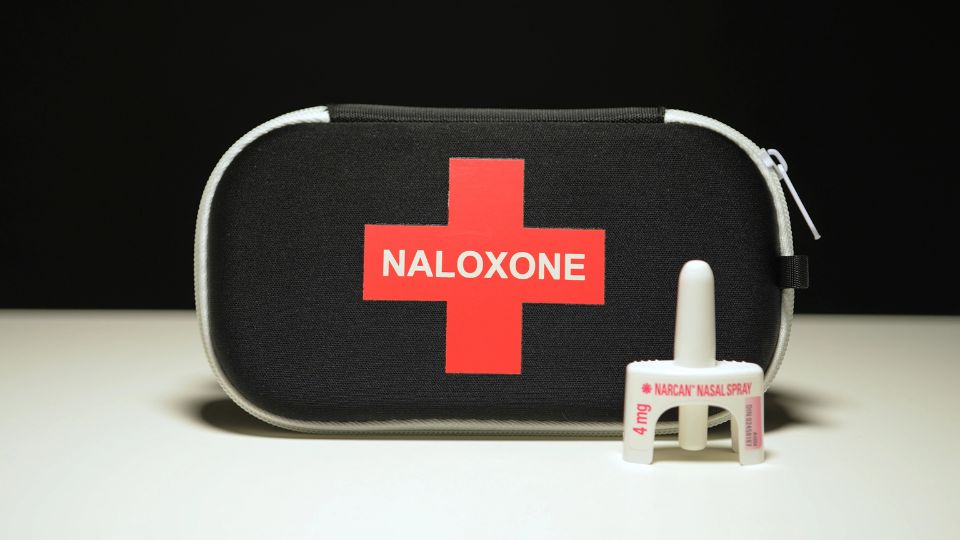
(Image from usu.edu)
- “Naloxone has an extremely high bonding affinity, so it can out-compete most drugs for that receptor and it’s very potent. So there’s no reason to think it can’t reverse it,” says Mississippi Poison Center Director Dr. Michael Marlin
While the medical research into how the administration of naloxone to combat an overdose of kratom products is currently limited, one Mississippi medical professional recommends the use of the opioid antagonist medication because it has proven to have a positive reversal effect.
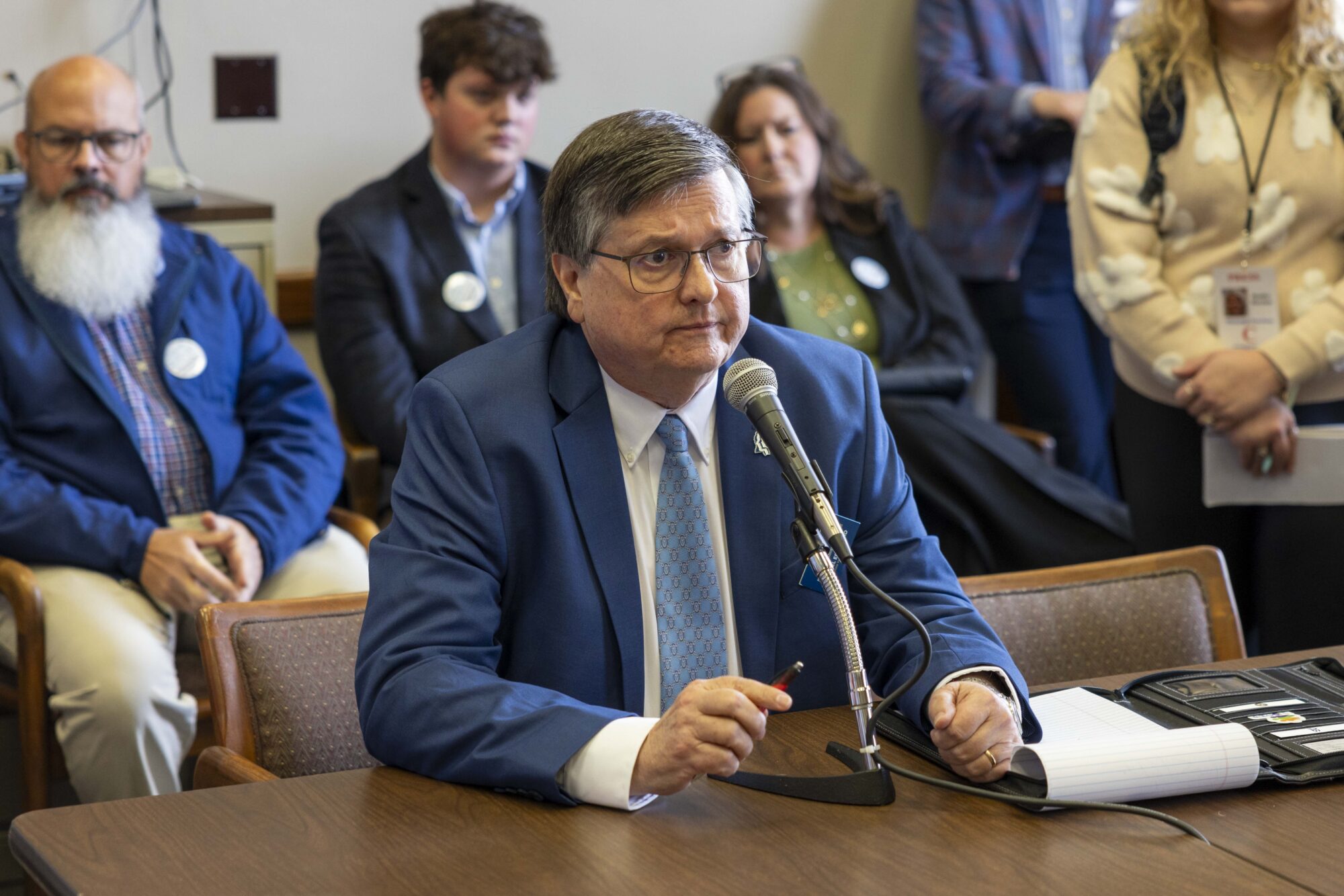
During a recent legislative Drug Policy Committee hearing, lawmakers were told that there is concern naloxone could be ineffective when trying to treat someone suffering from an overdose of a kratom product.
Dr. Michael Marlin, director of the Mississippi Poison Center, suggested that anytime an overdose occurs, even if kratom is suspected to be involved, naloxone should be administered because there is proof it can effectively replace the active compound in kratom, mitragynine, on mu-opioid receptors in the brain.
He pointed to a controlled study using rats that included the administration of morphine, 7-hydroxymitragynine and mitragynine. In that study, naloxone was able to reverse the effects of all three substances in the test animals.
“We know for a fact that mitragynine acts with the mu-opioid receptor, that’s established,” Marlin explained. “Naloxone has an extremely high bonding affinity, so it can out-compete most drugs for that receptor and it’s very potent. So there’s no reason to think it can’t reverse it.”

Marlin added that even though 7-hydroxymitragynine, a synthetic form of kratom recently banned at the state level, is very potent, it can also be reversed by naloxone administration.
“I don’t want people not to use naloxone if they think kratom is involved,” Marlin said. “Naloxone should be administered in every case of respiratory depression, irrespective of what they think might be going on.”
Even though evidence is limited showing that kratom or 7-hydroxymitragynine have been a major contributor in most opioid overdoses, the use of naloxone is advised because overdoses almost always include the use of fentanyl or another opioid in conjunction with kratom.
There are instances where a higher dose of naloxone would be required to reverse an overdose, such as instances where dihydro-7-hydroxymitragynine, MGM-15 or MGM-16 were used. Even though MGM-15 and MGM-16 are now illegal at the federal level, they can still be found in some retailers. The substances are suspected to have been involved in the overdose deaths of two college students at Ole Miss in September.
“Those two are suspected to be more potent than the older derivatives,” Marlin said. “I’m not saying there’s situations where you might need more, but naloxone should always be given.”
Cases where stronger synthetic variants of kratom might be involved in an overdose may require larger doses of naloxone, at times two auto injectors.
“I think it’s important to know that at some point if it doesn’t work you have to control the airway,” Marlin explained. “That’s the cause of death in opioid intoxication, is respiratory failure, where they can’t breathe, or just stop breathing.”
While intubation is a practice more commonly performed in medical facilities, Marlin said paramedics also have that capability.
To ban or not to ban
Dr. Marlin offered a nuanced outlook on whether lawmakers or the federal government should ban all kratom products.
On one hand, there are risks in using kratom products due to the lack of standardized dosages, he said, as well as the compound’s highly addictive nature and lack of quality assurance even with botanical leaf kratom products.
“We’ve had multiple issues in the past with the leaf product being contaminated with metals or there was one with salmonella,” Marlin described.
He noted that there is little evidence that the leaf products have resulted in overdoses when used by themselves but warned that even leaf products can contribute to an overdose when used with other opioids, alcohol or substances that make people sleepy.
“I am more concerned with the new derivatives. They are stronger, they are much more potent at that receptor,” Marlin added.
On the other hand, Marlin is aware of how humans react when an intoxicating substance is banned.
“I have that concern that there are a lot of people that use kratom and I know they’re not going to just stop using drugs if that botanical leaf product goes away,” Marlin noted. “They will shift back to something else. I would be very concerned if they shift back to fentanyl or illicit opioids.”
Illicit opioids are more typically associated with overdose deaths.
Marlin also pointed out that if the federal government classified kratom as a Schedule I drug, any potential research into how it affects the human body would be negatively impacted.
However, he does agree that the synthetic products are something that should be banned due to the unknown chemical composition of those products and the lack of research.
“It’s dangerous to think that you have a drug we know very little about being sold in gas stations,” Marlin added.