- Important state and national stories, market and business news, sports and entertainment, delivered in quick-hit fashion to start your day informed.
In Mississippi
Ole Miss senior named finalist for Marshall Scholarship
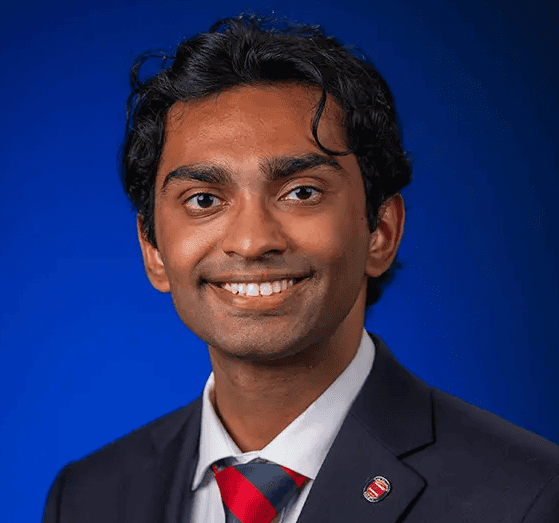
Keerthin Karthikeyan, a University of Mississippi senior from Oxford, has been named a finalist for a prestigious Marshall Scholarship.
The public policy leadership, international studies and French major will interview Nov. 18 in Atlanta for the competitive honor.
The Marshall Scholarship funds two years of graduate study at a British university of the scholar’s choosing. Ole Miss has produced five Marshall Scholars, the most recent being Sophia Toner in 2025.
National News & Foreign Policy
1. FEC complaint alleges Mississippi, Kansas, Alaska Democrats boosted by illegal PAC donations
According to the Washington Post, “A dark-money nonprofit that quietly boosted Democrats in Mississippi, Kansas and Alaska this fall is the subject of a federal complaint alleging it ran an illegal straw donor scheme.”
“United Futures Inc., which was registered as a corporation in Delaware on Aug. 12, spent nearly $20 million over the next two months to boost Democrats in the midterms, making it one of the top megadonors of the 2026 election, according to a Washington Post analysis,” WP reported. “The nonpartisan watchdog group Campaign Legal Center filed a complaint this month with the Federal Election Commission alleging that the group is a shell organization set up to illegally conceal the identities of its donors by funneling money through the nonprofit to donate to Democratic super PACs. United Futures did not immediately respond to a request for comment.”
WP continued, “United Futures gave at least $3 million to super PACs backing Democratic candidates in Alaska, Mississippi and Kansas. The complaint alleges that those super PACs, which were incorporated around the same time as United Futures, illegally coordinated with the nonprofit to conceal the identities of their donors.”
2. Democrats’ new faith playbook
The Hill reports that “Republicans for years have made religion a cornerstone of their politics, while Democrats struggled to find their own voice on matters of church and faith. The divide was stark, and it at times hurt the Democratic Party in red and purple districts where Republicans targeted their opponents as out of step on local values.”
“But in the 2026 midterm elections, a crop of Democratic candidates sought to redefine that dynamic, openly embracing their religious beliefs and, in some cases, invoking Scripture to connect with voters in places the party had all but ignored,” The Hill reported. “James Talarico, a Presbyterian seminarian who defeated Republican Ken Paxton in Texas’s Senate race, made Christian teachings central to his campaign, often relying on the biblical command of ‘love thy neighbor’ as a messaging staple throughout the race. The same was true in Kansas, where Adam Hamilton, a Methodist pastor, defeated Republican incumbent Sen. Roger Marshall and frequently spoke about his experience at his 25,000-member Church of Resurrection.”
The Hill further reported, “Even those in the left flank have leaned in on religion. Michigan Sen.-elect Abdul El-Sayed, who openly embraced his Muslim identity, released a digital ad where he talked about a daily prayer ritual… Democrats say the shift on faith is one of the most consequential takeaways from last week’s midterms thrashing of Republicans. And as they begin to strategize about the path that leads to 2028, party operatives say it should be part of their dialogue as the campaign begins to kick off.”
Sports
1. Chambliss named semifinalist for Player of the Year
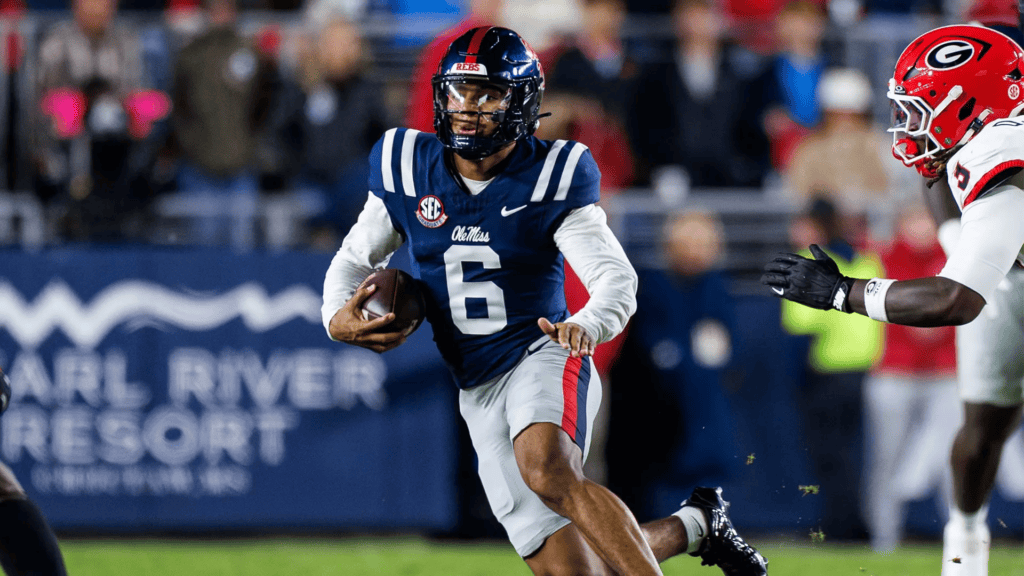
The Walter Camp Football Foundation released their semifinalists for their 2026 Player of the Year Award on Wednesday, selecting Ole Miss quarterback Trinidad Chambliss to the list.
Chambliss was named to the Maxwell Award semifinalist list this week as well.
Finalists for the Walter Camp Player of the Year Award will be unveiled later in November. The winner will be announced on the ESPN Home Depot College Football Awards Show on December 11.
2. Taylor gets paid to come back to Miss. State
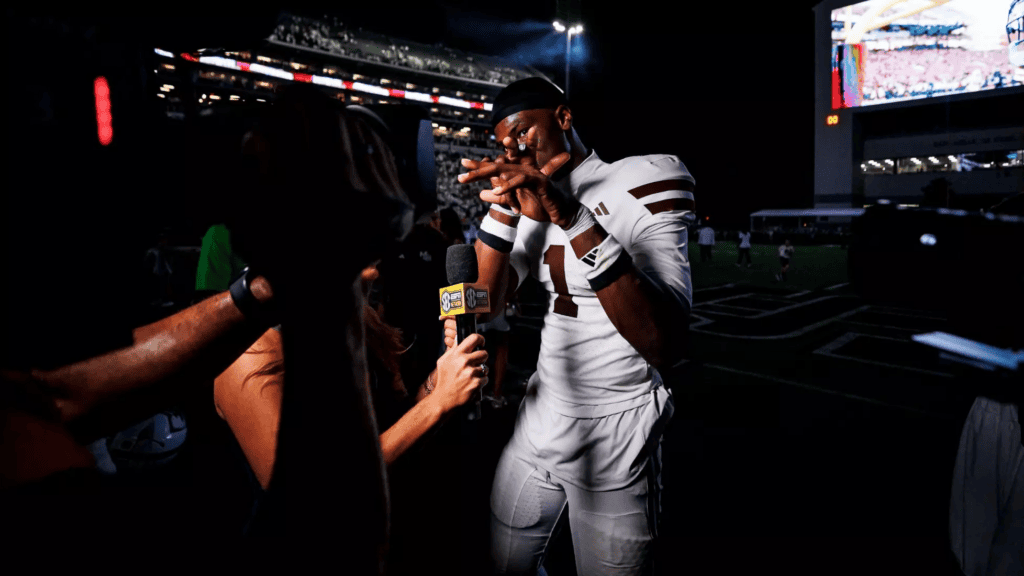
Mississippi State quarterback Kamario Taylor will be back in Starkville next season after signing a $7.5 million deal.
Taylor said in a statement, “My recovery is right on track, and I’m looking forward to the day that I get to go back to work with these guys and the future talent that will be coming to Starkville.”
He also gave embattled Head Coach Jeff Lebby some love, saying, “I can’t wait to play for Coach Lebby in 2027. He believed in me from day one, and I believe in where he’s taking this program. I’m grateful to Mr. Selmon and the leadership at Mississippi State for their commitment to building a winning program here. I see it every day, and I want to keep helping build something special in Starkville.”
Markets & Business
1. Consumers showing signs of strain from high prices
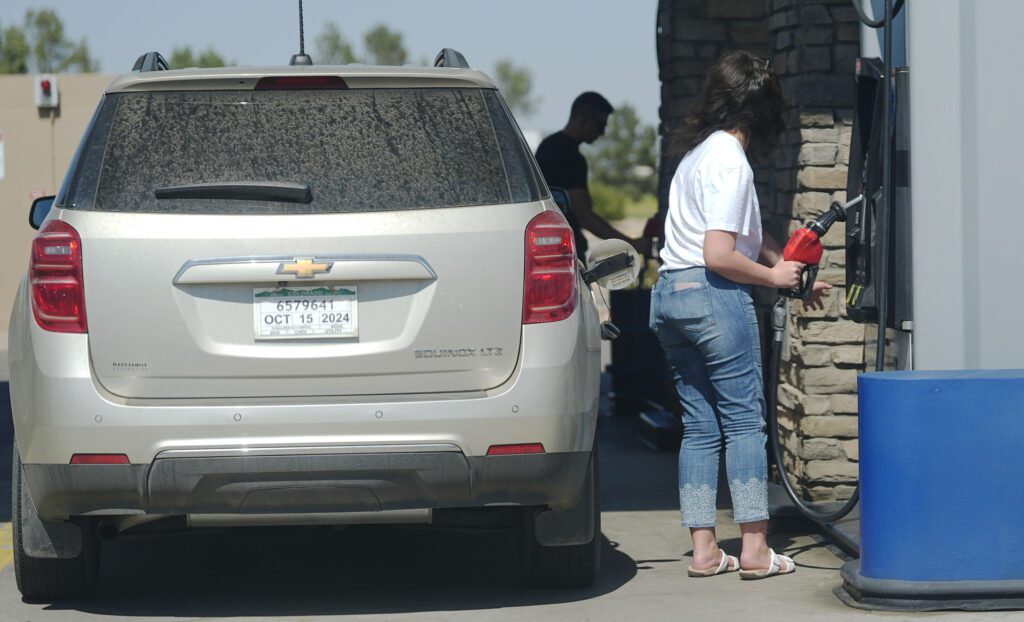
CNBC reports that “retail sales rose at their slowest pace in nearly a year in October as American consumers showed signs of strain from high prices, according to the latest CNBC/NRF Retail Monitor.”
“Total retail spending on a seasonally adjusted basis came in at $561.7 billion in October, a 0.2% increase from a month prior and 3.6% above where it sat a year ago, according to exclusive data released Wednesday,” CNBC reported. “Core retail spending, which excludes restaurant spending, rose 0.3% month over month to $454.2 billion. Core spending was 3.4% higher than a year earlier.”
CNBC added, “The monthly growth rate for total spending was the lowest since November 2025, an indication that shoppers are growing choosier as higher prices pinch pocketbooks. A strong Halloween season and an early start to holiday promotions kept the figure from being even lower, the NRF said.”
2. Painful inflation cure on the way?
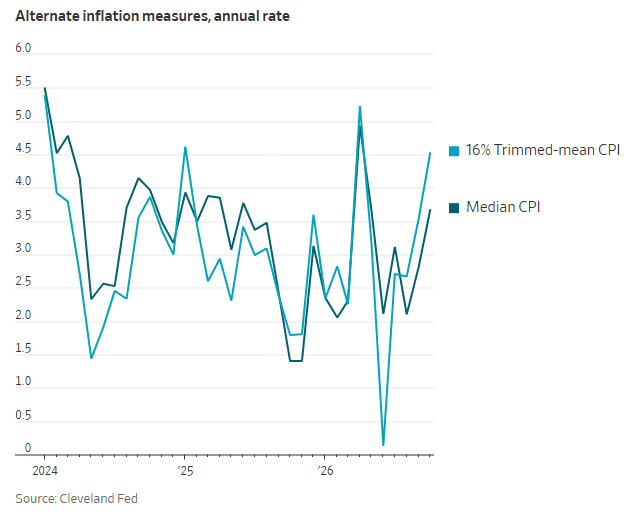
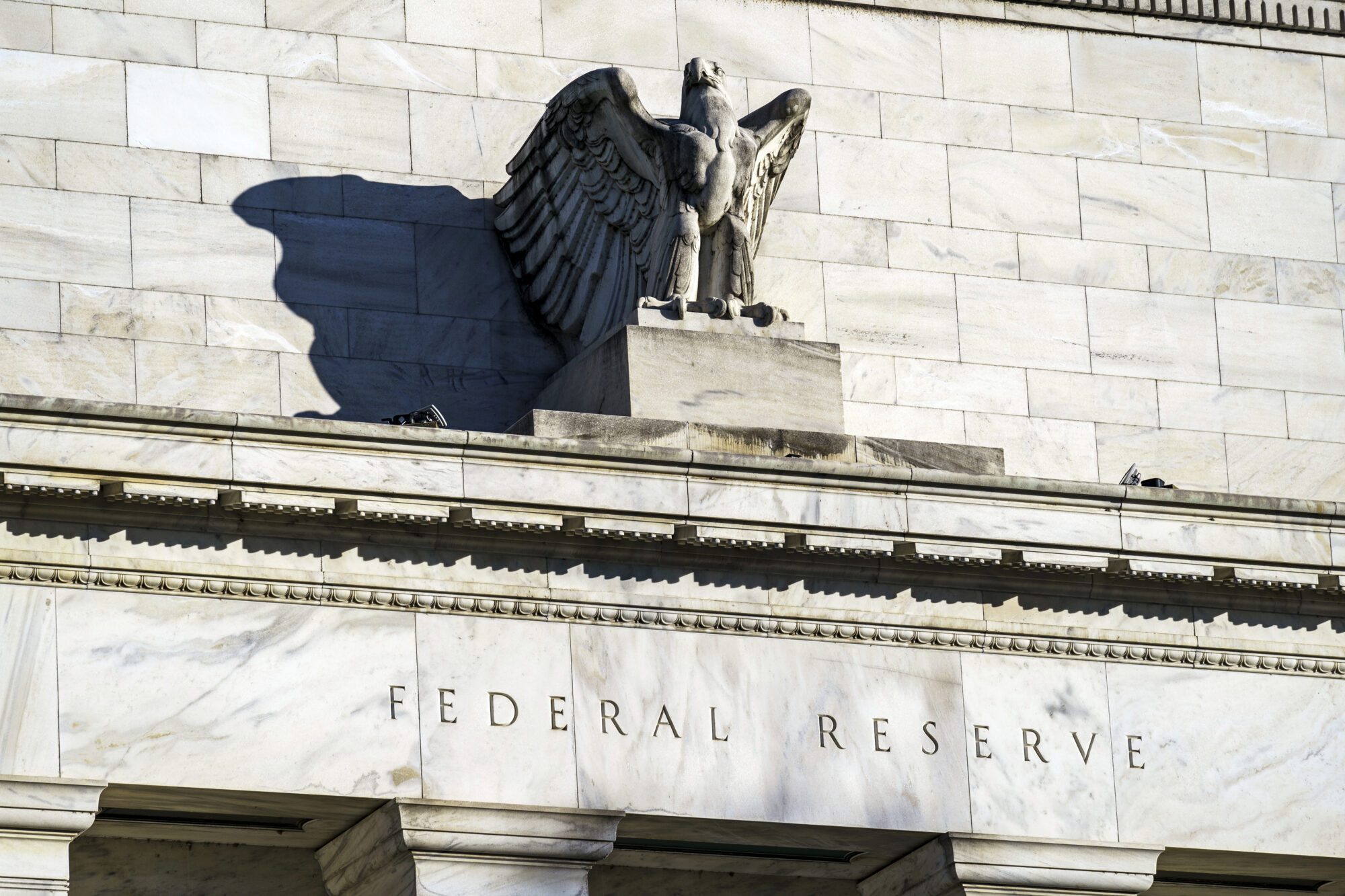
Grep Ip writes in the Wall Street Journal that, “We may look back on October’s consumer-price index as an inflection point, when the balance of risks flipped toward a painful rather than painless inflation cure.”
“The consumer-price index rose 0.4%, and the core index, which excludes food and energy, rose 0.3%. Anything over 0.2% is incompatible with the Federal Reserve’s 2% target, and this was the third 0.3% increase in a row,” Ip said. “Prior hot readings could be chalked up to something specific—energy, or used cars, or cellphone plans. Not this one.”
Ip noted in WSJ, “If inflation were headed to 2% on its own, the Fed would only have to tap the brakes lightly. If it is stuck around 3%, the Fed actually has to create some slack in the economy, through slower growth and higher unemployment. That will involve considerably higher interest rates. How much pain could that involve? The 2-year Treasury yield, a barometer of future Fed actions, is 0.25 percentage point below the 10-year yield. If it rises above the 10-year yield (an “inverted yield curve”), it is time to start thinking about recession.”