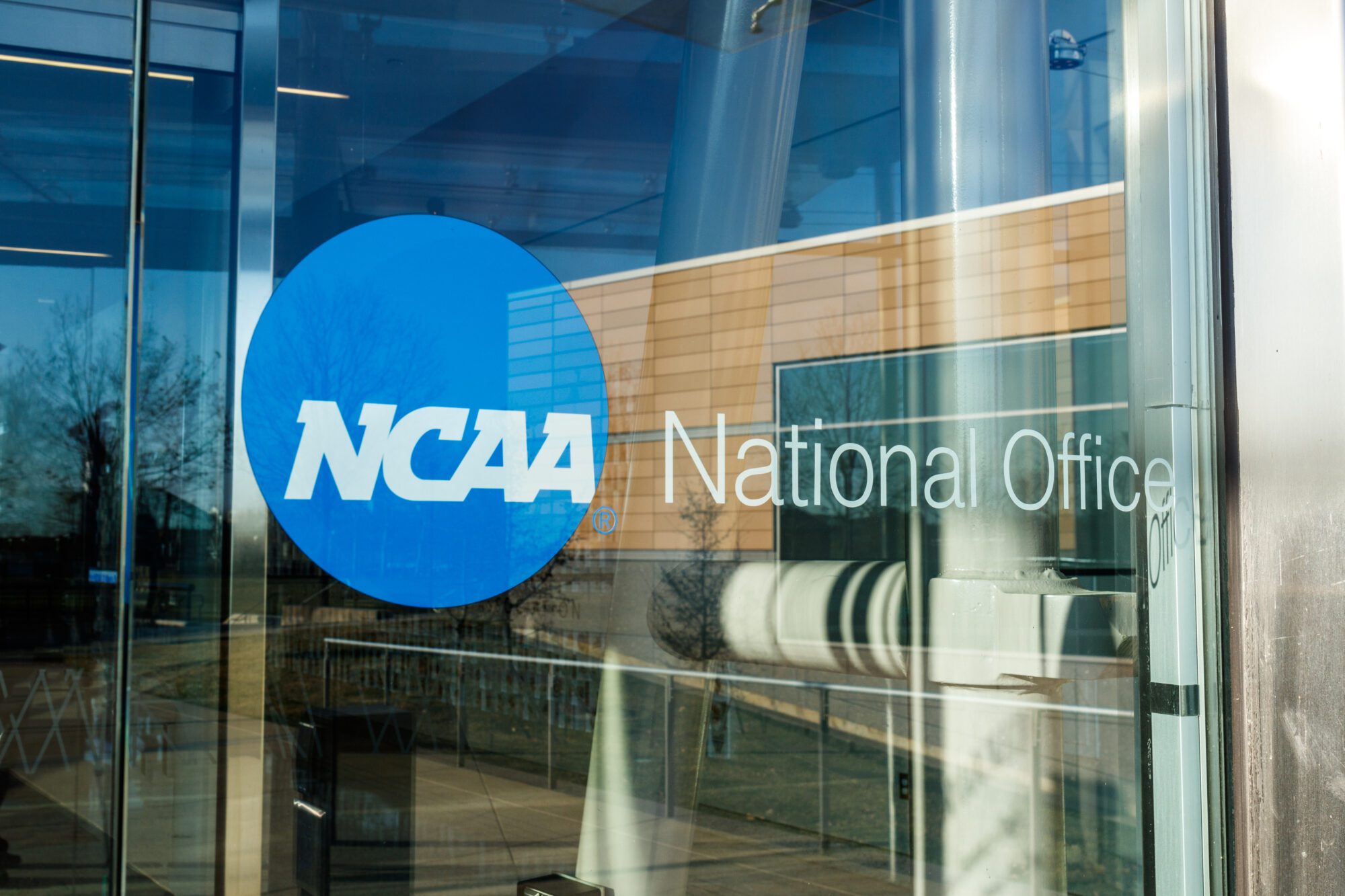
National Collegiate Athletic Association Headquarters (Photo from Shutterstock)
- Athletes say NCAA needs better support, training to address mental health challenges.
OXFORD, Miss. – A survey of college athletes found nearly 40% reported having suicidal thoughts during their lifetime. Some 86% also said the NCAA should require mental health and suicide prevention training for all athletes.
The University of Mississippi and Rutgers University recently worked together to survey 78 student-athletes across NCAA Division I, II and III universities regarding suicidal thoughts and prevention strategies. They published their findings in Behavioral Sciences.
“Our results show that athletes want more widespread information on suicide and mental health, and most haven’t gotten that in college,” said Taylor Rodriguez, Ole Miss assistant professor of psychology. “Since nearly 40% of the athletes have experienced suicidal thoughts themselves, I wonder if this desire stems from their own experiences having difficulties but not having adequate information to navigate them.
“If the NCAA recognized these common struggles by requiring athletes to learn about suicide and mental health, it might make them feel more supported and comfortable reaching out for help.”
Other studies have shown that suicide is the second-leading cause of death among NCAA athletes, but no previous survey asked student-athletes if they think suicide prevention training should be mandatory, the researchers said.
The answer was an overwhelming yes, said Allie Bond, assistant professor in the Rutgers Department of Urban-Global Public Health.
“Student-athletes are telling us that they’re struggling, and they’re telling us that they want resources,” she said. “If we continue to not provide that for them and not address their struggles, we’re dropping the ball as clinicians, researchers and as communities to meet their needs.”
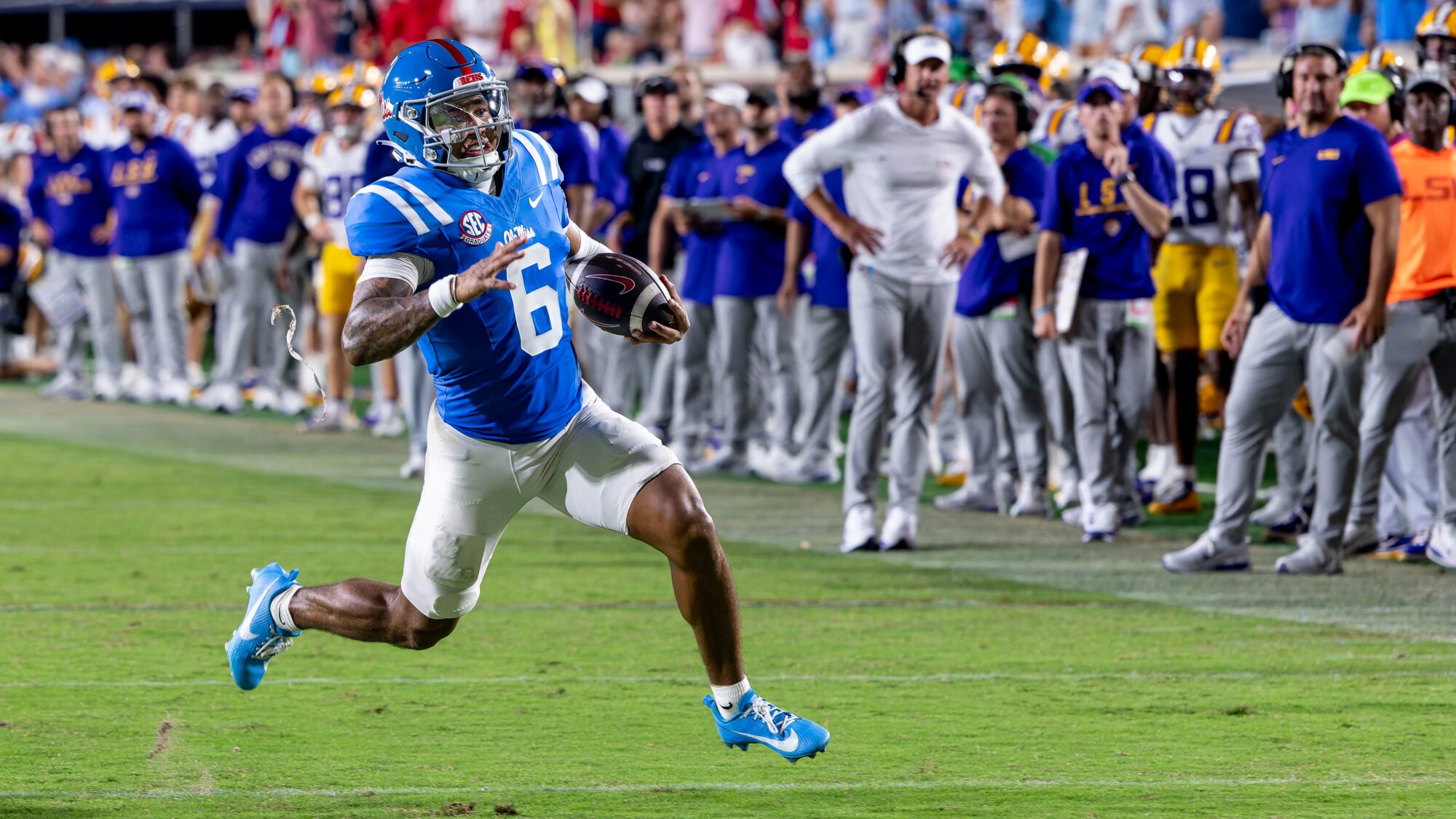
College athletes face many difficulties unique to collegiate sports, such as juggling expectations from coaches and fans, navigating travel schedules, and worrying about losing their scholarship or NIL deals if they are injured or fail to perform on the field.
Added to those stressors are increased harassment and pressure from legalized mobile sports betting. The NCAA reported that 1 in 3 high-profile student athletes have received threats or abusive messages from someone with a betting interest.
“A wide receiver misses a pass, someone loses money and suddenly that student is getting bashed on Instagram,” said Bond, a former student athlete. “These are 19-, 20-year-old kids. How are we equipping them to respond to that hate?
“How are they mentally coping with that while they’re still trying to pass classes and do well in school?”
Successful mental health and suicide prevention training must take athletes’ unique circumstances into consideration, the researchers said.
“Student-athletes want and need more suicide prevention information while in college,” Rodriguez said. “It’s important to learn how we can better support them and ensure that athletics programs and universities are openly discussing suicide and mental health.
“Teaching athletes about resources and making them readily available may be one important step to this end.”
Most student respondents said they would reach out to teammates about mental health concerns before counselors, psychologists or even their coaches, the study reported.
“We all feel more comfortable talking to people who walk a similar path in life, so we can understand that,” Bond said. “But that means we have to give teams the tools to respond to these crises, and they have to have the opportunity to follow up.
“A one-time training is going to have a really hard time moving the needle on stigma. We need to change the cultural norms within athletic departments to make sure we’re promoting mental well-being while supporting this high-risk group.”
This article is republished courtesy of Ole Miss.