- Do not call me Naomi; call me Mara, for the Almighty has dealt very bitterly with me. I went away full, and the Lord has brought me back empty. – Ruth 1:20–21
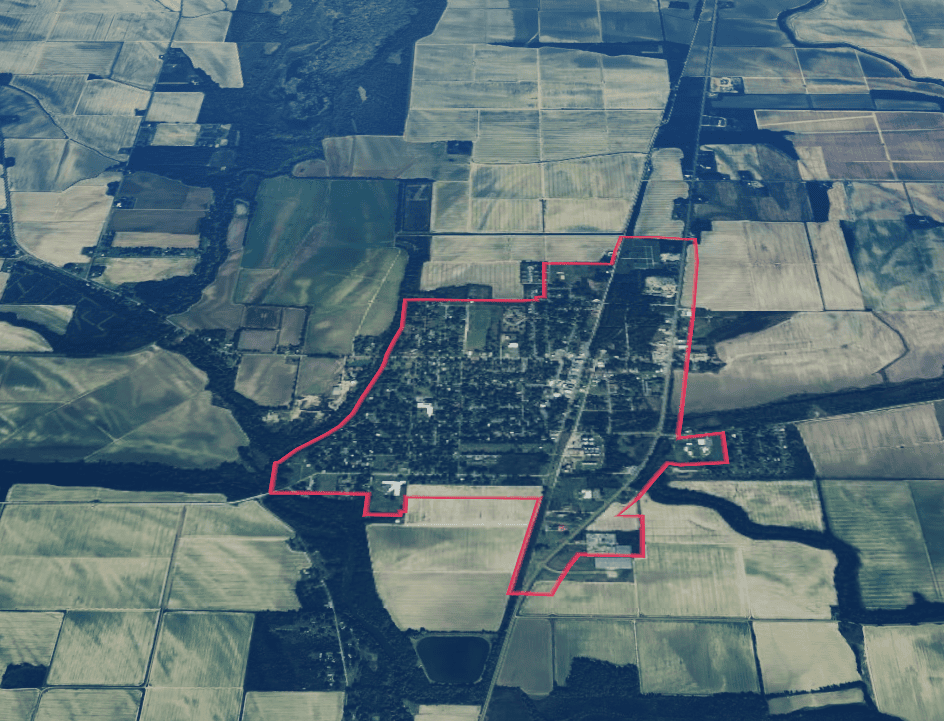
When Naomi returned to Bethlehem, leaving the graves of her husband and sons behind in Moab, we can only imagine the pain and grief she experienced as she came back to familiar places and faces. What thoughts and memories would have emerged? Oh, that’s Mrs. So-and-So, and those must be her sons. Look how they’ve grown! This is where I used to bring the boys. This is where Elimelech and I used to walk…
As bitterness over her situation set in, Naomi, whose name means “pleasant,” decided that a more suitable name for herself was Mara, which means “bitter.” She didn’t attempt to sweep life’s challenges aside and convince everyone that everything was fine. To do so would have been less than honest—a betrayal of the theology underpinning her faith amid what the hymn writer William Cowper called “a frowning providence.”[1]
Naomi’s situation speaks to the fact that even for God’s people, some pain in life will seem unbearable, some circumstances will appear unjust, and some questions will remain unanswered. Her response raises a question: what will we do when grief strikes in our own lives? The reality of suffering is a problem for the Christian, but it is no less a problem for everyone else. All people must wrestle with the problem of pain. An atheist can’t do so satisfactorily, because if there is no God, we simply live in a universe of chance, where things just tumble along. But the Christian can ask—indeed, we should ask—“Where is God in the midst of this?”
Naomi’s honest expression of emotion is matched by her theology. She doesn’t attribute all that has happened to chance, but she acknowledges God’s hand at work. She declares that God is right in the midst of her pain; she calls Him Shaddai, “Almighty,” the providing, protecting God. What does Shaddai mean? It’s the characteristic of God that means He’s at His best when we are at our worst.[2] Naomi had gone through famine, loss, bereavement, doubts, and goodbyes—but because she knew God as Shaddai, she could leave the explanation and the responsibility for such bitter trials with Him.
Where do you turn when the waves hit, when the wheels run off the road, when everything goes haywire? It must be to your knowledge of who God is and how He deals with His people. This is a sure foundation on which to stand. Where else can we go?
When Naomi left Bethlehem, there was famine. When she returned, there was harvest. Through the clouds of grief, the light of hope began to break as the stage was set for God to provide abundantly for Naomi and Ruth. When God is at work, even hopelessness may be the doorway to fresh starts and new opportunities. He will one day dispel all darkness. God is your Shaddai. In which part of your life do you need to hear this today? And who around you needs you to share this with them?

Alistair Begg