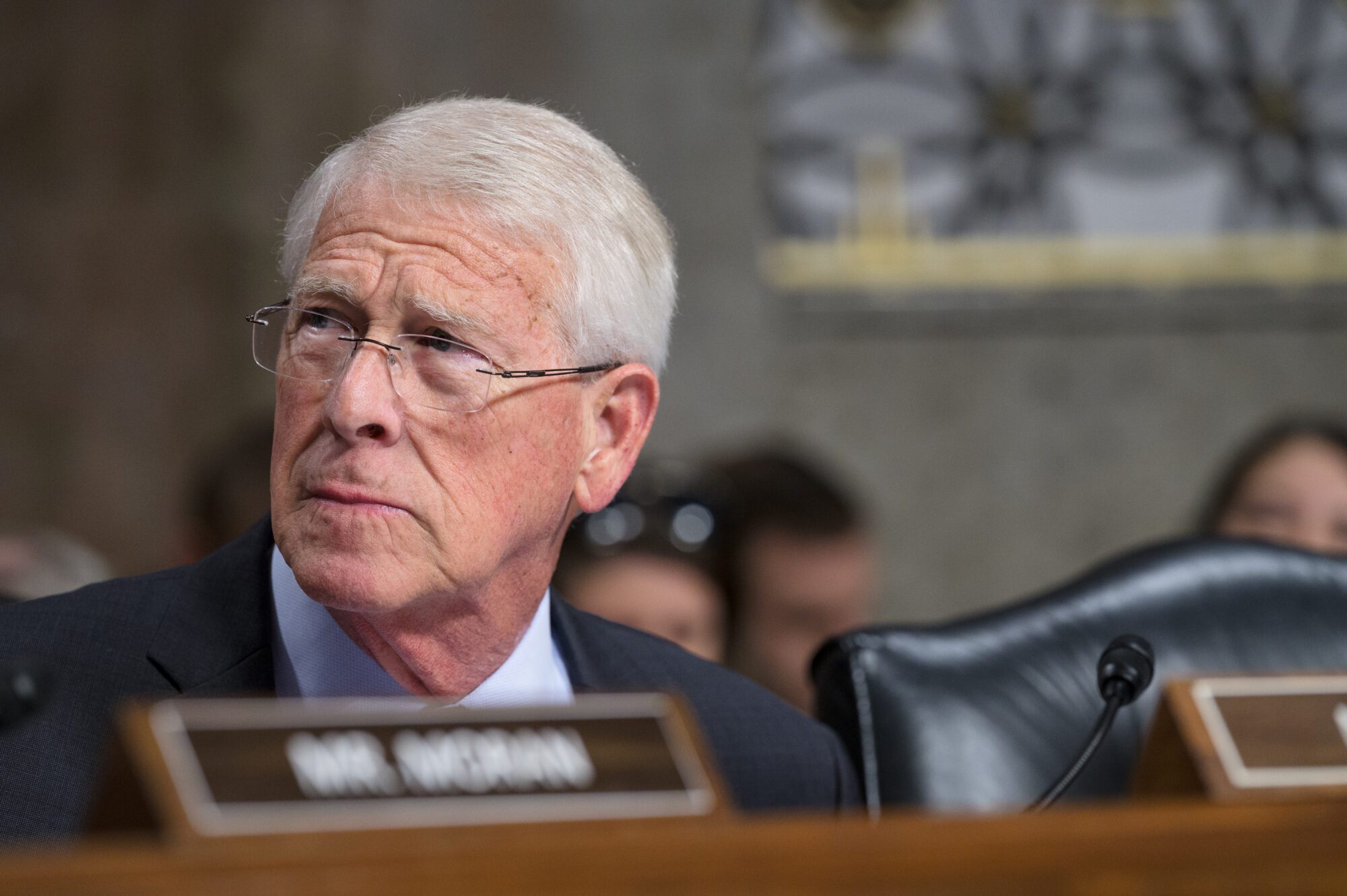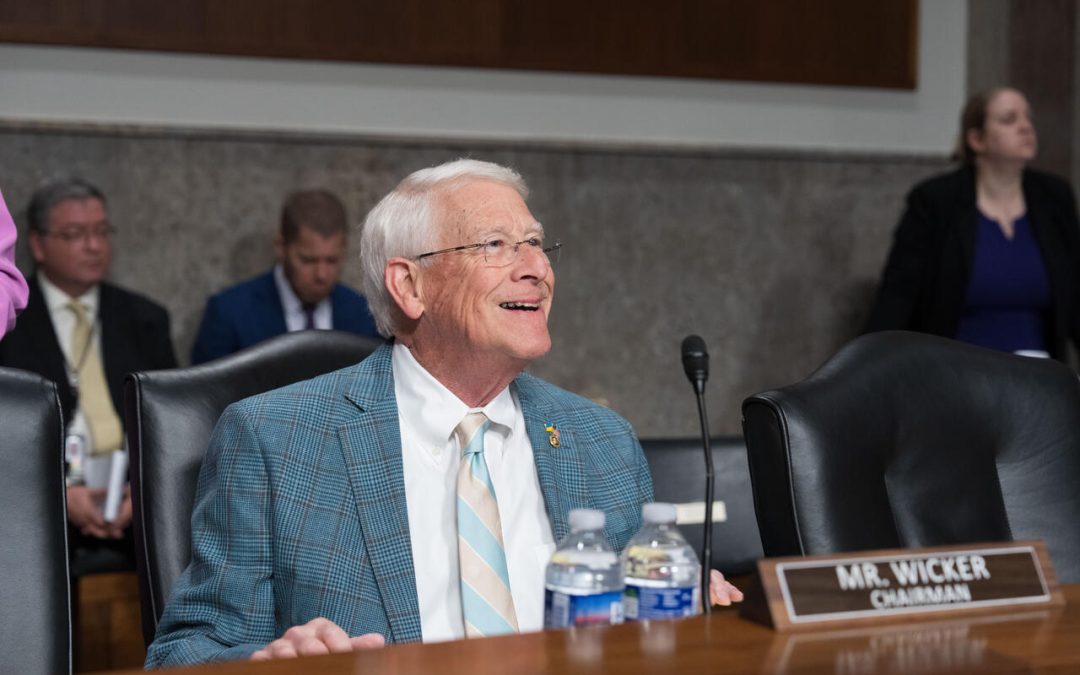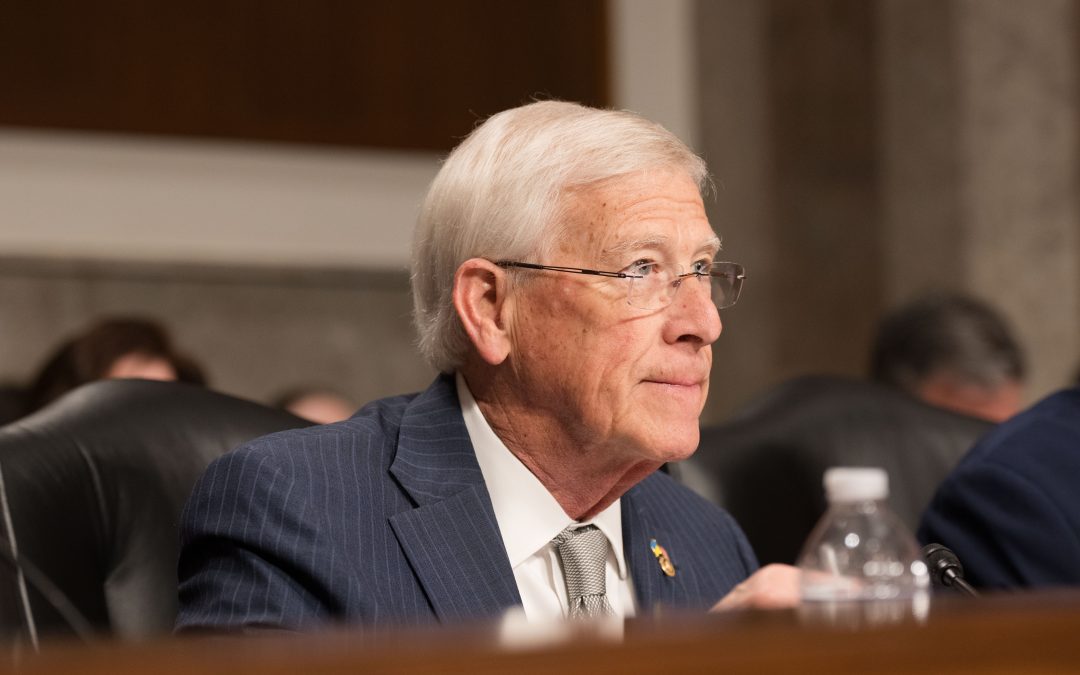
U.S. Senator Roger Wicker
- U.S. Senator Roger Wicker says America is winning the artificial intelligence race, “But without a stronger power grid, we cannot hold our edge.”
A bipartisan group of U.S. Senators recently introduced legislation that could quietly become one of the most consequential laws passed in years. The bill, the Bipartisan American Affordability and Jobs Act of 2026, would fundamentally update the way the government approves new domestic energy and infrastructure projects.
Over-Regulation Restricts Growth
For many Americans, this administrative change might not seem like anything to write home about. But the proposal impacts much more than paper pushing. By modernizing the permitting process, Congress would disempower bureaucrats and activists who want to hinder domestic energy production. Instead, we hope to unleash American growth and ambition.
For decades, our energy industry has had to work with a hand tied behind its back. America’s vast energy resources and vibrant economy attract developers. But our burdensome, unpredictable permitting process gives companies reason to think twice before investing billions across our country. Current statutes expose these developers to unexpected lawsuits, giving the climate lobby the right to sue up to six years after a project’s approval—even if the plaintiffs cannot show that it has harmed them. And it is too easy for regulators to cancel a permit that has already been granted. We saw this in President Biden’s capricious revocation of critical minerals mines and a Keystone XL pipeline expansion.
Reining in Environmental Reviews
This permit reform act is a much-needed course correction. It would modernize the environmental review that precedes every major project. For decades, activists have stood in the way of growth by invoking the National Environmental Policy Act (NEPA). That 1970 law required “environmental assessments” before energy infrastructure construction. These investigations resulted in “environmental impact statements” that make or break a plan. As any developer knows, drafting these documents can take years.
The challenges of our time are too urgent for such an onerous and outdated process. These reforms would shrink the number of projects that require environmental review in the first place. Then, it would expedite that process by setting shorter deadlines and adding accountability measures. The bill would trim the fat from the climate litigation industry, shrinking the six-year window to 150 days and requiring plaintiffs to demonstrate harm. The bill also makes it harder for the executive branch to cancel approved permits.
Restoring Clean Water Act Intent
The legislation would curb the abuse of the Clean Water Act (CWA), which was originally written to guarantee water stayed pollution-free. Under that law, developers can acquire a federal permit only if states agree that the project will not impact its water safety levels.
When states perform a CWA evaluation, they should stick to criteria related to water, such as pH levels, temperature, or toxicity. But for many states, science has taken a backseat to politics. They have shoehorned in all manner of climate initiatives, such as air pollution, to veto domestic energy initiatives that they deem insufficiently “green.” Often, they have effectively killed developments by dragging out the review process for years.
Under this proposal, the CWA would be restored to its original purpose. States’ reviews would be limited to scientific facts, and developers could seek redress in the courts if states exceed that scope. The law would give states one year to complete their CWA reviews. If they do not comply, they waive the right to challenge a plan.
Reforms Meet the Moment
When the U.S. Senate returns to session, this legislation is the first vote on our agenda. It comes at an opportune time. Our global adversaries are increasingly aggressive. Domestic energy production can make us less reliant on these foes. America is winning the artificial intelligence race. But without a stronger power grid, we cannot hold our edge. For these reasons and more, I look forward to enacting the reforms in this bill.

Roger Wicker