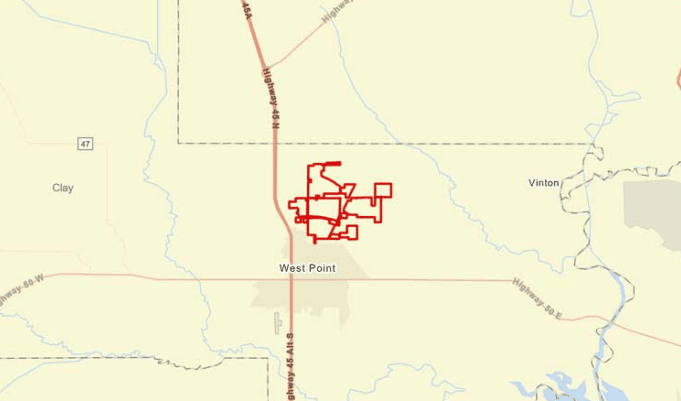
- The five cases in Mississippi have been reported from residents ranging from the Delta to the Gulf Coast. UMMC is urging residents to cook vegetables and fruit as well as wash them thoroughly before consuming them raw.
With five confirmed cases of cyclosporiasis so far in Mississippi, the University of Mississippi Medical Center is providing residents with information and some tips to lessen the risk.
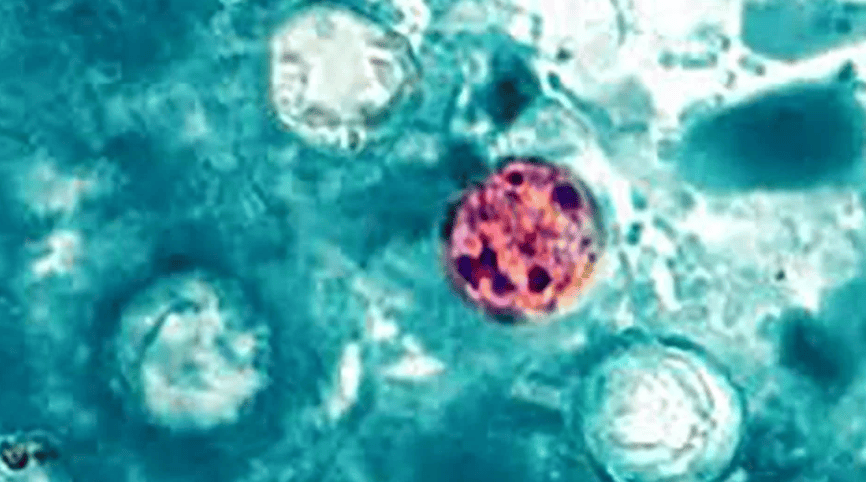
Cyclosporiasis is an intestinal illness causes by microscopic parasites found in contaminated food and water supplies. It typically has an incubation period of several days, at which time infections can result in “explosive diarrhea,” fever, loss of appetite, fever, cramping of the abdomen and dehydration to name a few symptoms.
UMMC Dean of the John D. Bower School of Population Health Dr. Thomas Dobbs, the state’s former Health Officer, warns infections of the parasite can require hospital care, since without antibiotic treatment the illness can last weeks.
“It is really a human pathogen,” Dobbs said. “Contaminated water on crops or contaminated water that people are drinking are ways people can come into contact with this infection. It can also be found in streams or natural water sources.”
Cases in other states such as Kentucky, Indiana, Michigan, Ohio and West Virginia are being investigated by the Centers for Disease Control and Prevention, with most cases so far being tied to consumption of shredded lettuce.
The five cases in Mississippi have been reported from residents ranging from the Delta to the Gulf Coast.
Currently, Mississippi’s cases have not been tied to the multistate outbreak under investigation by the CDC, but Dobbs warns that due to the nation’s interconnected food supply, Mississippians should be mindful of the risks and enact the proper precautions.
Since the parasite is typically passed through ingesting food or water contaminated with human feces, precautions include using soap and water to wash hands regularly before and after handling raw vegetables and fruit. People should consider cooking those food items thoroughly before consumption as opposed to eating them raw.
“If you are cooking vegetables at high heat, your food will be fine because it would destroy the organisms,” Dobbs said. “But in this setting for leafy greens, certainly rinsing them with clean water, spinning them off and being very thorough, will help. Sometimes it is hard to avoid an infection even with washing.”
Dobbs believes there are potentially more unreported cases, not just in this state but nationwide, because most cases go unreported and therefore undiagnosed. It estimated the current outbreak has been going on since at least May.
“In my previous work in similar areas and working with the CDC as well, it seems like one percent of cases get reported,” Dobbs said. “So, if you consider we have over 4,000 reported cases nationwide, there are probably at least 10 times more cases than that.”
Dr. Jorge Vidal, director of the Center for Immunology and Microbial Research at UMMC said cases of this parasite have been causing outbreaks since the 1990s.
“A notable example is the 1996 multistate outbreak reported in the New England Journal of Medicine, in which more than 1,400 cases were identified across 20 states, the District of Columbia and two Canadian provinces,” Vidal said. “The illnesses were associated with 55 events held between May 3 and June 14 and were traced to consumption of imported raspberries from Guatemala. Such seasonal outbreaks, typically occurring in late spring and summer, continue to occur and are often linked to contaminated fresh produce such as raspberries, cilantro, basil and salad mixes.”
Those experiencing symptoms are urged to seek medical attention.

Jeremy Pittari