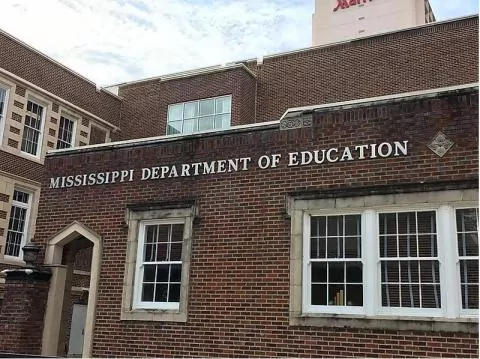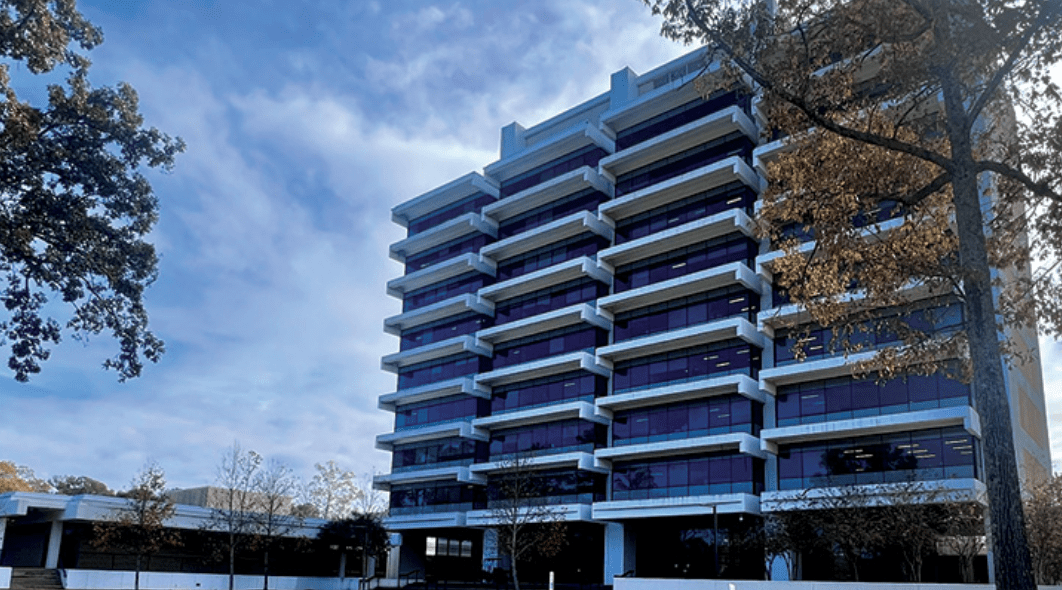
Mississippi IHL (Photo from IHL website)
- The updated funding model aims to ensure that base level funding is sufficient while implementing performance metrics at Mississippi’s eight public universities.
Development of a new funding model for Mississippi’s eight public universities continues as the June deadline approaches for the third-party contractor to present options that include performance metrics.
The Mississippi Institutions of Higher Learning have contracted with the National Center for Higher Education Management Systems (NCHEMS) to develop the new funding model.
Feedback from the universities revealed that the old model was inflexible with respect to the base cost of running an institution. It also did not take into consideration how large gaps in funding occur between each university, NCHEMS President Brian Prescott described.
Another overlooked factor was the cost of maintaining state owned property, particularly in regard to ensuring deferred maintenance backlogs do not get out of hand.
“To be brief about it, we determined that starting with the appropriated amount, and then dividing it among institutions, really failed to account for how well institutions are funded relative to one another and related to their missions in particular,” Prescott told the IHL Board. “And it does not consider the full range of institutional funding needs that they have.”
The old model also has not taken into account the cost of keeping existing curriculums up to date, the expense incurred in maintaining and replacing equipment, or the costs required to enact changes that ensure performance requirements and workforce needs are met.
“By that I mean it did not appropriately account for the actual cost of operating any institutions, in some way that means institutions wouldn’t have a predictable base from which to sustain performance,” Prescott added.
The new model being developed will include a focus on Pell-eligible (low income) and transfer students as well as determine a method to include post-graduation and time to degree metrics for non-resident students. It will also focus on the mission-aligned costs and needs within state funding limitations.
The revised model centers on three levels of foundational funding to ensure financial thresholds of all eight institutions reach the same level. If that threshold is met, the institution would be eligible for performance funding. If the threshold is not met, those institutions would be eligible for additional foundational funding while still being eligible for performance funding, NCHEMS Vice President Sara Pingel described.
“A predicable base of foundational funding is key to an institution’s budgetary predictability and it’s also a key part of the state’s role in supporting the public institutions,” Pingel said.
The three levels of foundational funding include basic, or enough to keep the lights on; intermediate, where funding is based on the scale, programs provided and/or students demographics served; and comprehensive, which goes into greater detail on curriculum, facilities and other factors.
Pingel stressed that performance funding should not serve as a replacement for foundational funding.
“Performance dollars should be tightly aligned to rewarding performance,” Pingel said. “They shouldn’t be making substitutions for foundational funding predictability that are necessary for innovations to serve students well.”
It will be up to the IHL Board and state lawmakers to determine the level of funding they want to provide and how performance funding will work.
Pingel also stressed that in order for performance funding to be most effective, increases need to occur when performance goals are reached.
“There needs to be enough assurance on the base portion that redirecting resources and things like that to make sure when the performance objectives are met it doesn’t just result in a loss to base, and then a net neutral with the performance increase that you receive,” Pingel said.
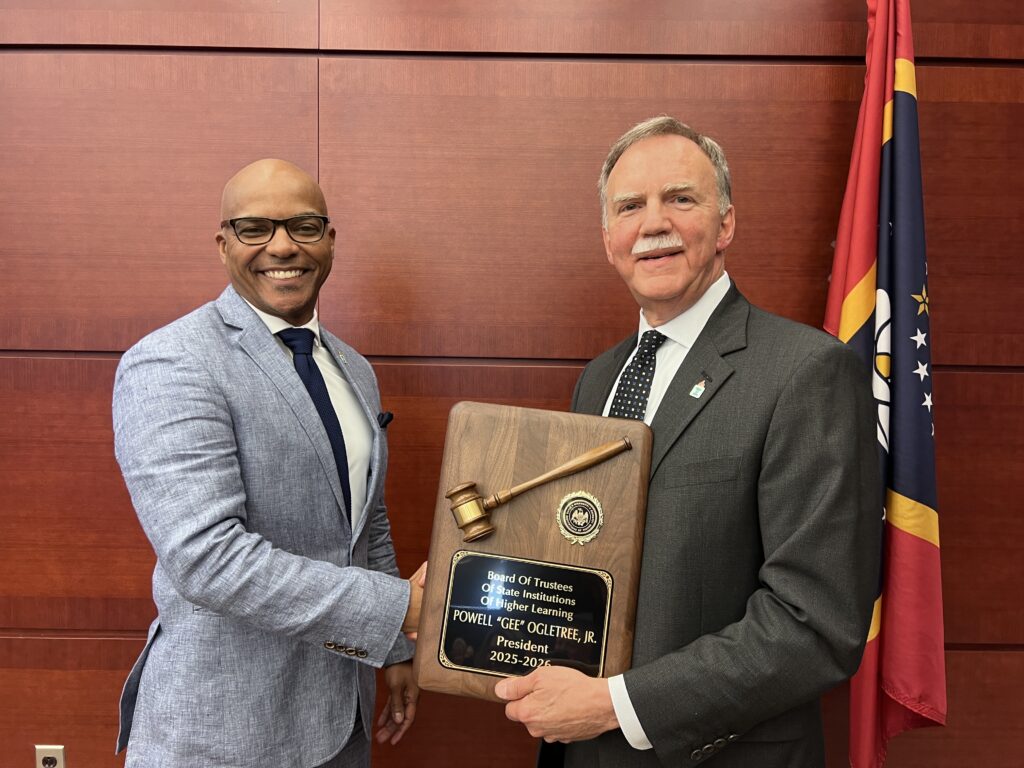
In other business, Gee Ogletree, the outgoing IHL Board president, passed the gavel and related responsibility to incoming president Dr. Steven Cunningham, who will serve in that capacity for one year.

Jeremy Pittari