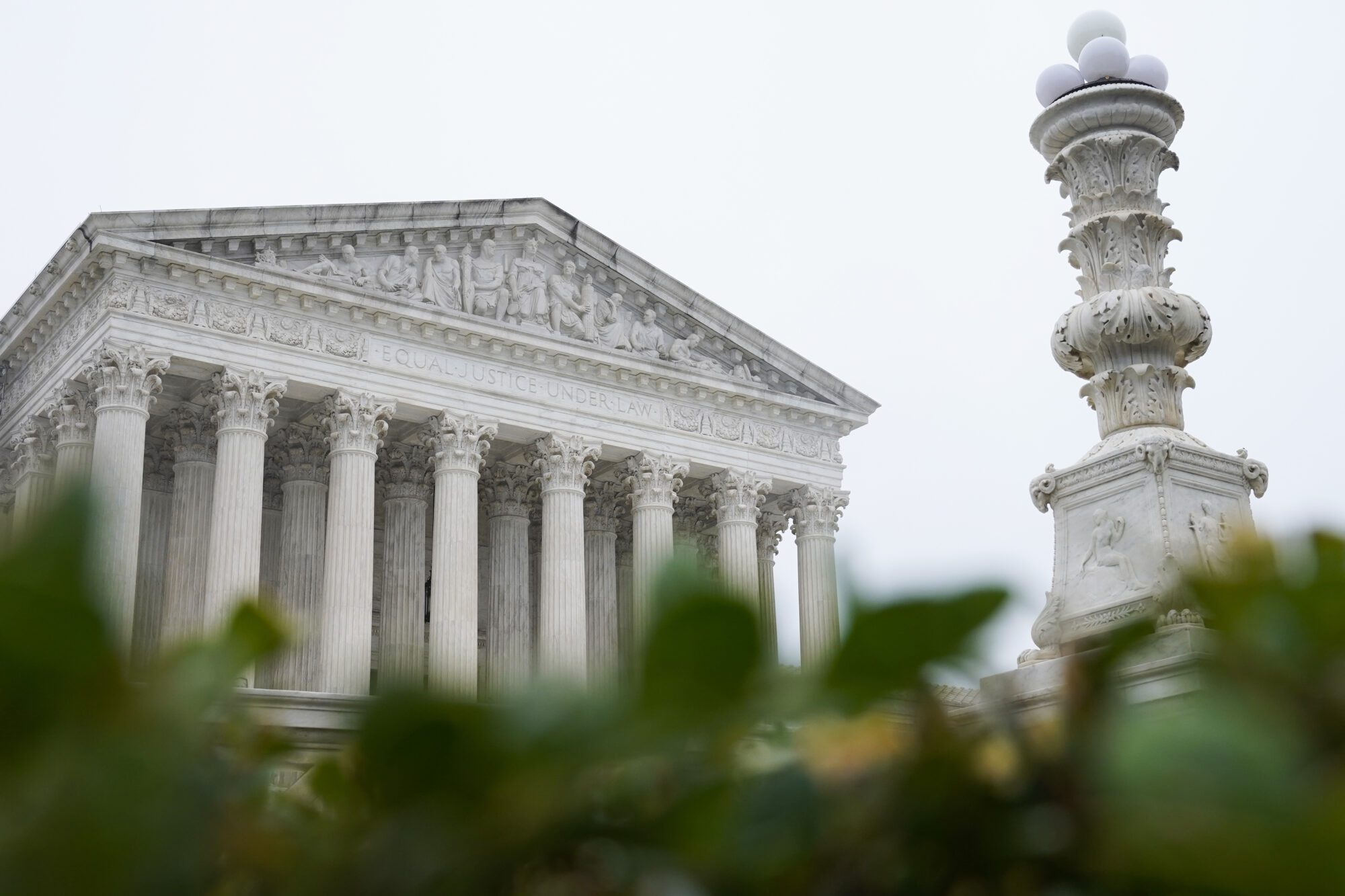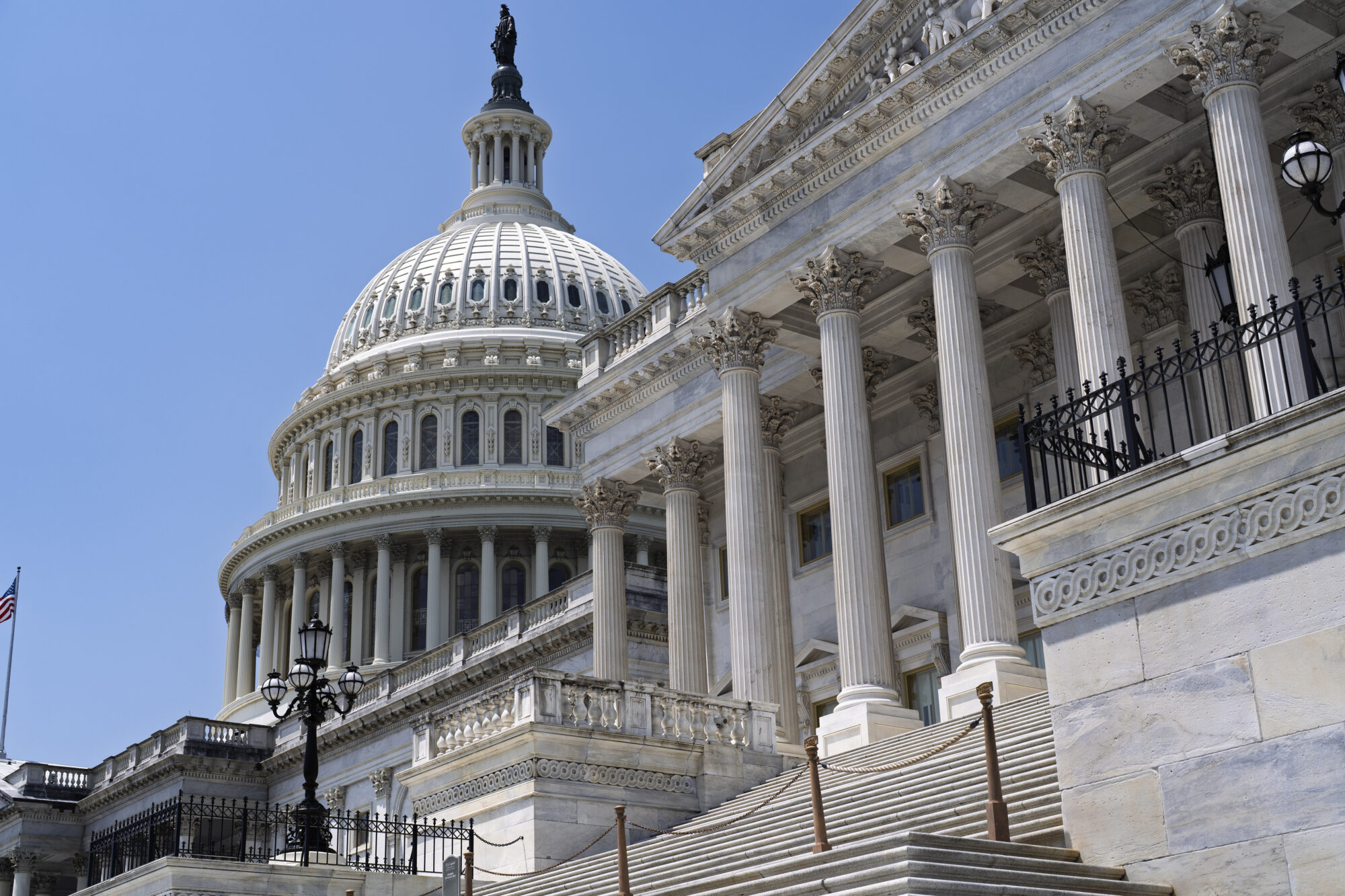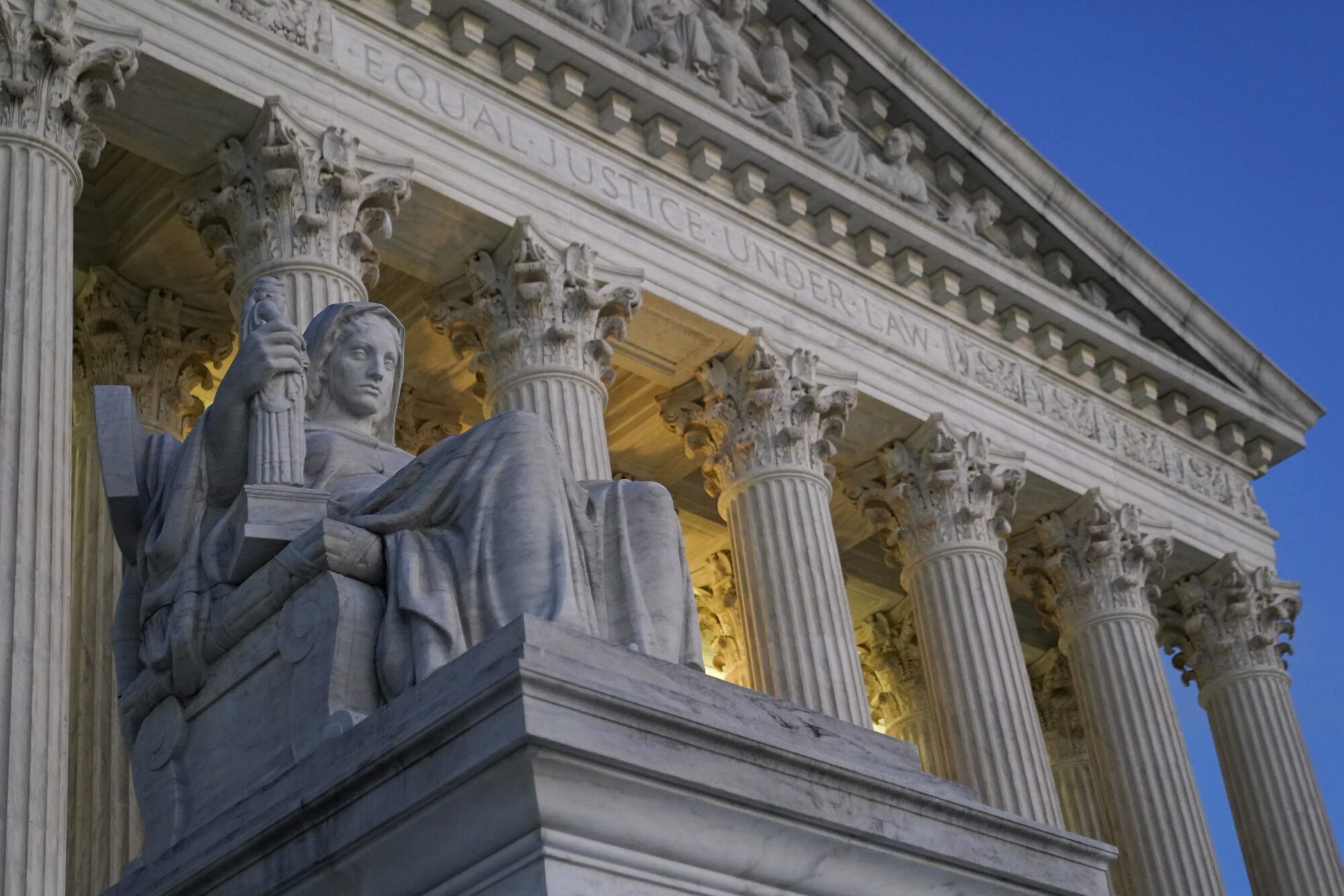
FILE- Light illuminates part of the Supreme Court building on Capitol Hill in Washington, Nov. 16, 2022. (AP Photo/Patrick Semansky, File)
- The court’s conservative majority suggested in arguments Monday it would overturn a 90-year-old decision that has limited when presidents can fire agencies’ board members, or leave it with only its shell intact.
WASHINGTON (AP) — The Supreme Court on Monday seemed likely to expand presidential control over independent federal agencies, signaling support for President Donald Trump’s firing of board members.
The court’s conservative majority suggested it would overturn a unanimous 90-year-old decision that has limited when presidents can fire agencies’ board members, or leave it with only its shell intact.
Chief Justice John Roberts referred to the decision known as Humphrey’s Executor as “a dry husk.”
Liberal justices warned that the decision sought by the administration would concentrate vast power in the president’s hands, robbing the agencies of expertise.
Justice Ketanji Brown Jackson said the president would be able to “fire all the scientists and the doctors and the economists and the PhDs and replace them with loyalists and people who don’t know anything.”
Solicitor General D. John Sauer defended Trump’s decision to fire Federal Trade Commission member Rebecca Slaughter without cause and called on the court to jettison Humphrey’s Executor.
Sauer said the decision “hasn’t withstood the test of time” and had enabled a “headless fourth branch” of government, the administrative state that conservatives and business interests have been taking aim at for decades.
The six conservative justices, including three appointed by Trump in his first term, already have signaled strong support for the administration’s position, over the liberals’ objection, by allowing Slaughter and the board members of other agencies to be removed from their jobs even as their legal challenges continue.
Members of the National Labor Relations Board, the Merit Systems Protection Board and the Consumer Product Safety Commission also have been fired by Trump.
The only officials who have so far survived efforts to remove them are Lisa Cook, a Federal Reserve governor, and Shira Perlmutter, a copyright official with the Library of Congress. The court has suggested that it will view the Fed differently from other independent agencies, and Trump has said he wants her out because of allegations of mortgage fraud. Cook says she did nothing wrong.
A second question in the Slaughter case could affect Cook. Even if a firing turns out to be illegal, the court wants to decide whether judges have the power to reinstate someone.
Justice Neil Gorsuch wrote earlier this year that fired employees who win in court can likely get back pay, but not reinstatement.
That might affect Cook’s ability to remain in her job. The justices have seemed wary about the economic uncertainty that might result if Trump can fire the leaders of the central bank. The court will hear separate arguments in January about whether Cook can remain in her job as her court challenge proceeds.
Justice Brett Kavanaugh signaled that he is inclined to side with Cook, describing as an “end run” the idea that an illegally fired official would only be entitled to her salary.
Under Roberts’ leadership, the court has issued a series of decisions dating back to 2010 that have steadily whittled away at laws restricting the president’s ability to fire people.
In 2020, Roberts wrote for the court that “the President’s removal power is the rule, not the exception” in a decision upholding Trump’s firing of the head of the Consumer Financial Protection Bureau despite job protections similar to those upheld in Humphrey’s case.
In the 2024 immunity decision that spared Trump from being prosecuted for his efforts to overturn the 2020 election results, Roberts included the power to fire among the president’s “conclusive and preclusive” powers that Congress lacks the authority to restrict.
The court also was dealing with an FTC member who was fired, by President Franklin Roosevelt in 1935, who preferred his own choice at an agency that would have a lot to say about the New Deal.
William Humphrey refused Roosevelt’s request for his resignation. After Humphrey died the next year, the person charged with administering his estate, Humphrey’s executor, sued for back pay.
The justices unanimously upheld the law establishing the FTC and limiting the president to removing a commissioner only for “inefficiency, neglect of duty, or malfeasance in office.”