FILE - A person loads groceries in plastic bags into their vehicle, May 18, 2026, at a grocery store in Cincinnati. (AP Photo/Joshua A. Bickel, File)
- On a monthly basis, costs jumped 0.6% from August to September, up from 0.4% the previous month.
WASHINGTON (AP) — U.S. inflation accelerated last month as gas, clothes, and air fares got more expensive, evidence that rising prices remain an economic challenge just a few weeks before the midterm elections.
The consumer price index rose 3.7% in September compared with a year ago, the Labor Department said Wednesday, up from 3.4% in August. On a monthly basis, costs jumped 0.6% from August to September, up from 0.4% the previous month.
The figures underscore the lingering impact of the Iran war on gas prices and the stubborn persistence of inflation, which fell sharply from a 9.1% peak in 2022 but this year has ticked higher since the war began in late February. Elevated inflation has posed political problems for Republicans in Congress and is a challenge for the Federal Reserve, which is required by Congress to seek stable prices.
Excluding the volatile food and energy categories, core prices rose 2.6% in September from a year ago, up from 2.4% the previous month. And they climbed 0.3% from August to September, the same as the previous month.
Ongoing inflation has taken a toll on Trump’s standing with U.S. voters. A poll by The Associated Press-NORC Center for Public Affairs Research found that just 17% of U.S. adults approve of his handling of the cost of living issue. And only 26% approve of his handling of the economy overall, a new low.
Federal Reserve officials are watching inflation data closely to determine whether they need to raise their short-term interest rate further, and by how much.
Fed Chairman Kevin Warsh said last month that inflation isn’t moving quickly enough back to the central bank’s target, causing the Fed to hike rates for the first time in three years, to about 3.9%.
“The plain fact is that inflation is too high and has been for too long,” Warsh said at a news conference last month. Inflation reports over the summer “do not tell me that underlying trends have meaningfully improved,” he added.
Yet some key Fed officials have suggested the central bank can wait before increasing rates again. The Fed has a policy meeting Oct. 27-28, but most Wall Street investors expect it to hold rates then, and potentially implement another hike in December. Fed officials have penciled in just one more rate hike this year.
By raising borrowing costs, the Fed hopes to slow spending and growth and cool price increases. Yet much of the current inflation comes from supply shocks, such as the Iran war’s disruption to oil and gas supplies, and higher interest rates can’t address those bottlenecks.
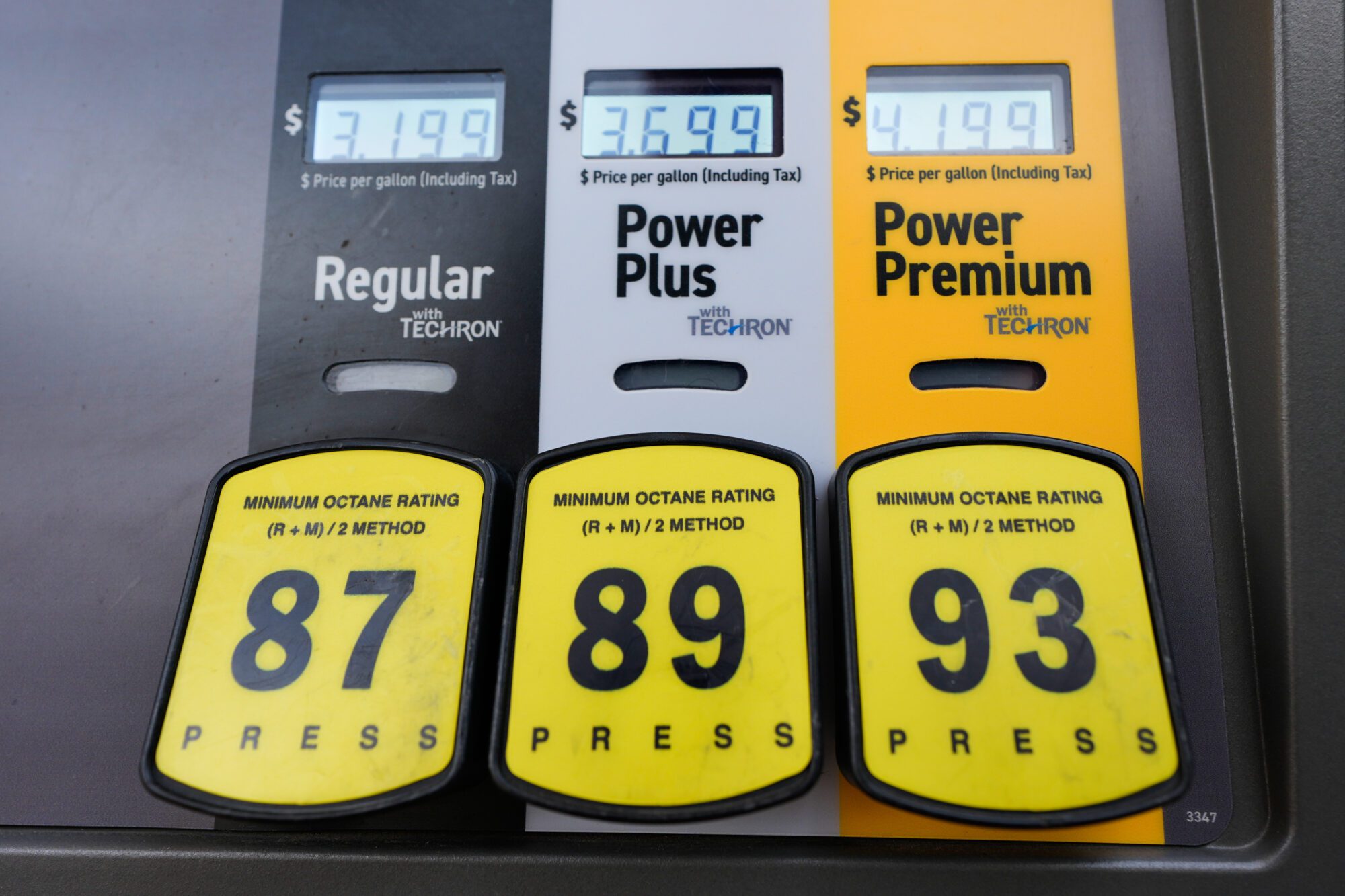
Warsh has said his goal is to keep the gas price spike from seeping into more areas of the economy. It’s already pushed up the price of air fares about 23% from a year ago. Gas prices jumped about 9% from August to September, a big increase that will drive much of the overall jump in inflation. Rising gas costs are a highly visible sign of inflation and often drive down measures of consumer sentiment about the economy.
Prices at the pump have ticked lower in recent weeks, though they remain higher than a month ago. Gas prices averaged $4.34 a gallon nationwide Tuesday, up a few cents from a month earlier.
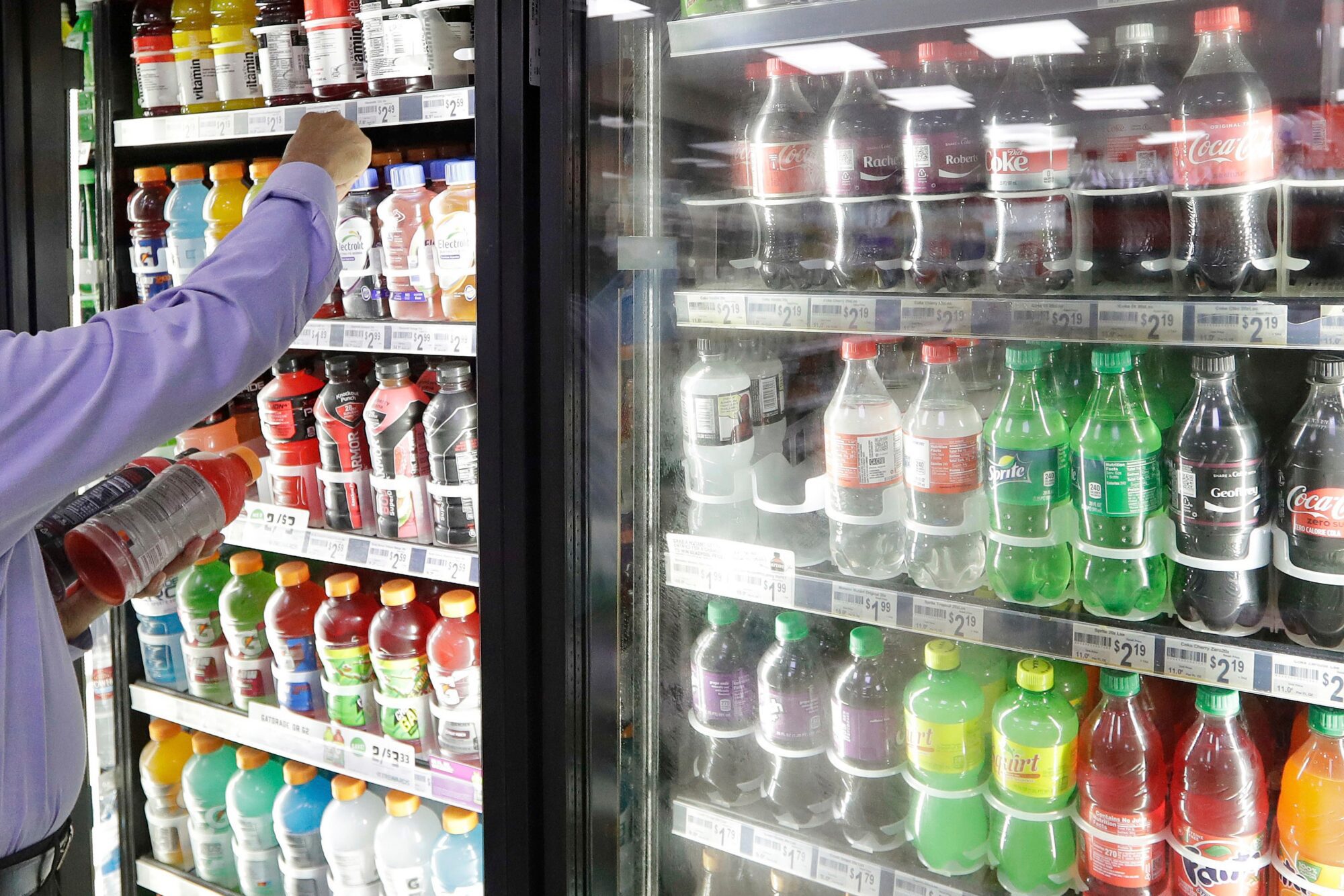
Those costs raise shipping and other expenses for many large and small businesses, some of which are forced to pass the cost to consumers. Last week, PepsiCo said that it will raise prices for its snack foods, including Doritos, Ruffles, Sun Chips, and some sodas to offset higher costs for fuel, aluminum, and food ingredients.
The artificial intelligence buildout has also sharply elevated the cost of semiconductors, computer equipment, and electrical components, which have been passed into costs for consumer electronics such as gaming devices, laptops, and smartphones.
On September 1, Nintendo increased the price for its Switch 2 gaming system by 11% to $499.99. And Apple’s newest iPhone, the iPhone 17, cost about 10% more than its previous upgrade, though some of that likely reflects greater capabilities.