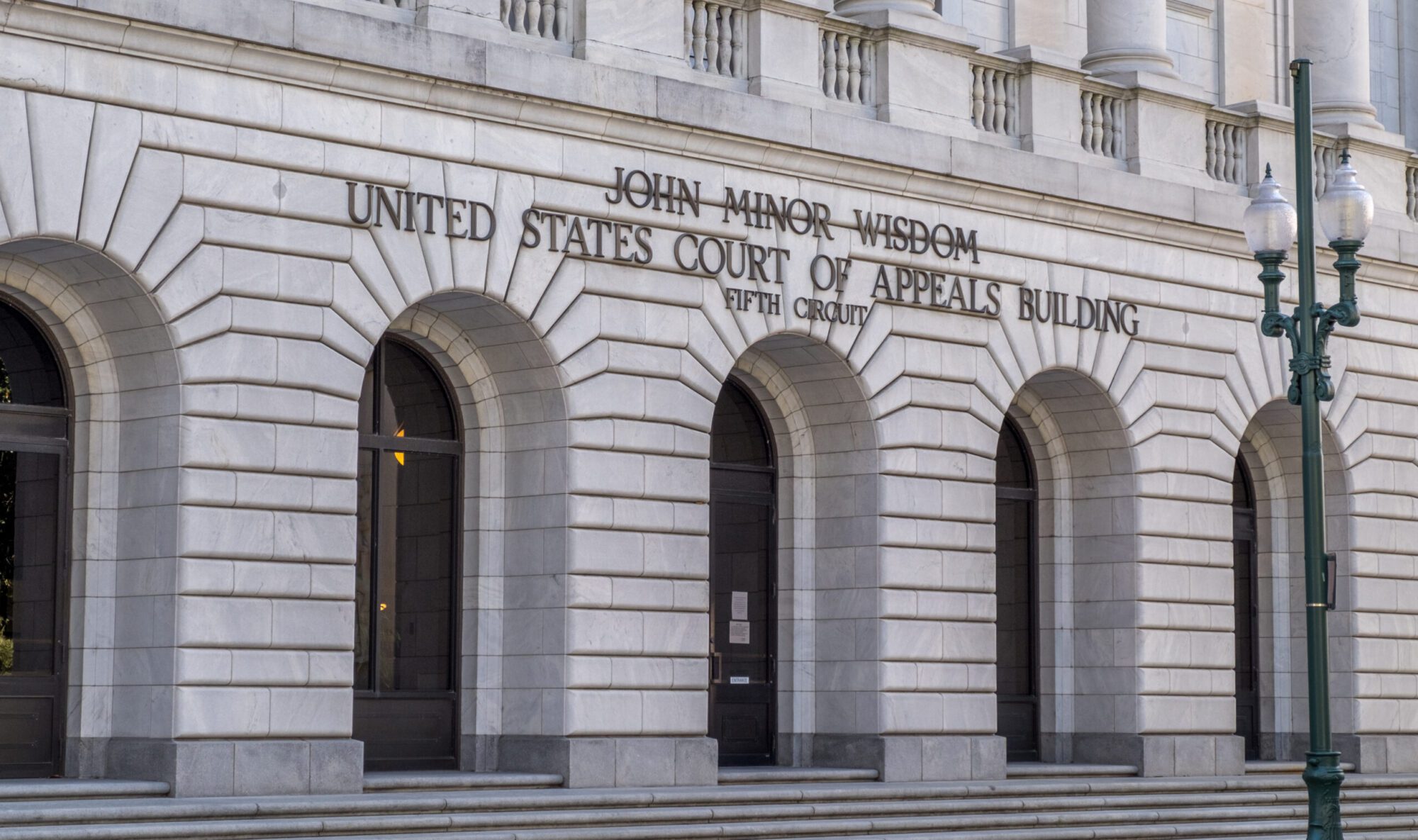
(Photo from Shutterstock)
- “The Constitution does not provide redress for every governmental wrongdoing. Rather, the remedy for Plaintiffs’ injuries lies in pursuing tort claims, electing representatives who will better manage the public-water system, and petitioning their representatives for other remedies,” the majority opinion stated.
The U.S. Fifth Circuit Court of Appeals has upheld the dismissal of a lawsuit against the City of Jackson stemming from allegations of lead contamination in the city’s water system.
The lawsuit alleged that the City and its officials violated residents’ constitutional rights by allowing lead to enter the municipal water supply and by telling residents it was safe to drink.
A majority for the en banc Fifth Circuit agreed with the City, ruling in Sterling v. City of Jackson that the plaintiffs’ allegations did not establish a constitutional violation under the 14th Amendment.
Writing for the majority, Judge Kurt D. Engelhardt said, “The Constitution does not provide redress for every governmental wrongdoing. Rather, the remedy for Plaintiffs’ injuries lies in pursuing tort claims, electing representatives who will better manage the public-water system, and petitioning their representatives for other remedies.”
Engelhardt further asserted that the majority found “no deeply rooted history or tradition establishing a constitutional right to truthful information from officials during a public-health crisis.
“Plaintiffs point to no binding precedent, and we have found none, allowing recovery under § 1983 for misrepresentations by public officials,” the judge wrote.
The majority also added that like the cases filed in New York that addressed alleged misrepresentations by public officials about the air quality in New York City following the September 11, 2001, terrorist attacks, “We too decline to expand substantive due process to render public officials liable for statements made during an evolving public crisis.”
However, while concurring with the majority in part and dissenting in part, Judge Catharina Haynes wrote, “At a minimum, Plaintiffs are entitled to discovery on their sufficiently plausible allegations that the City violated their constitutional rights, and the proper course is for this case to be remanded to the district court to allow such discovery to occur.”
The Fifth Circuit also affirmed that Jackson City officials named in the lawsuit are protected by qualified immunity, making them immune from the lawsuit’s claims.
“We find no controlling authority nor robust consensus of persuasive authority that clearly establishes a right to lead-free drinking water and truthful information from public officials,” the majority stated.
The opinion noted that the federal government and the Mississippi State Department of Health have taken steps to address Jackson’s water system, including investigations, monitoring, and measures intended to reduce lead levels.
“We are pleased that the Fifth Circuit upheld the dismissal of these claims,” Mayor of Jackson John Horhn (D) said. “The City remains committed to the health, safety, and well-being of every Jackson resident.”
The full ruling is shown below.