Telehealth coaching helps rural patients take charge of diabetes care
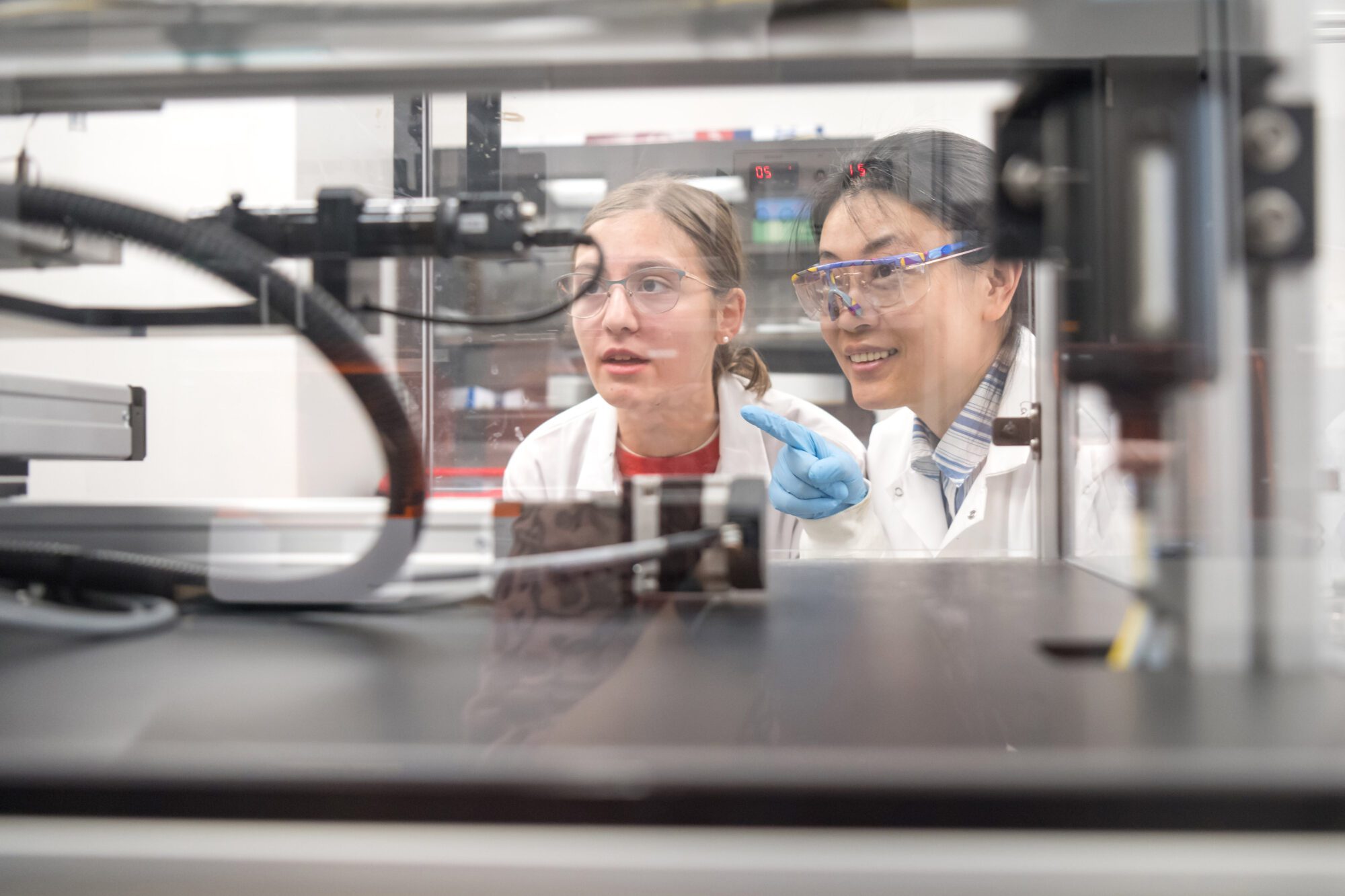
(Photo from Ole Miss)
- Mississippi participants say personalized coaching made managing diabetes feel less overwhelming.
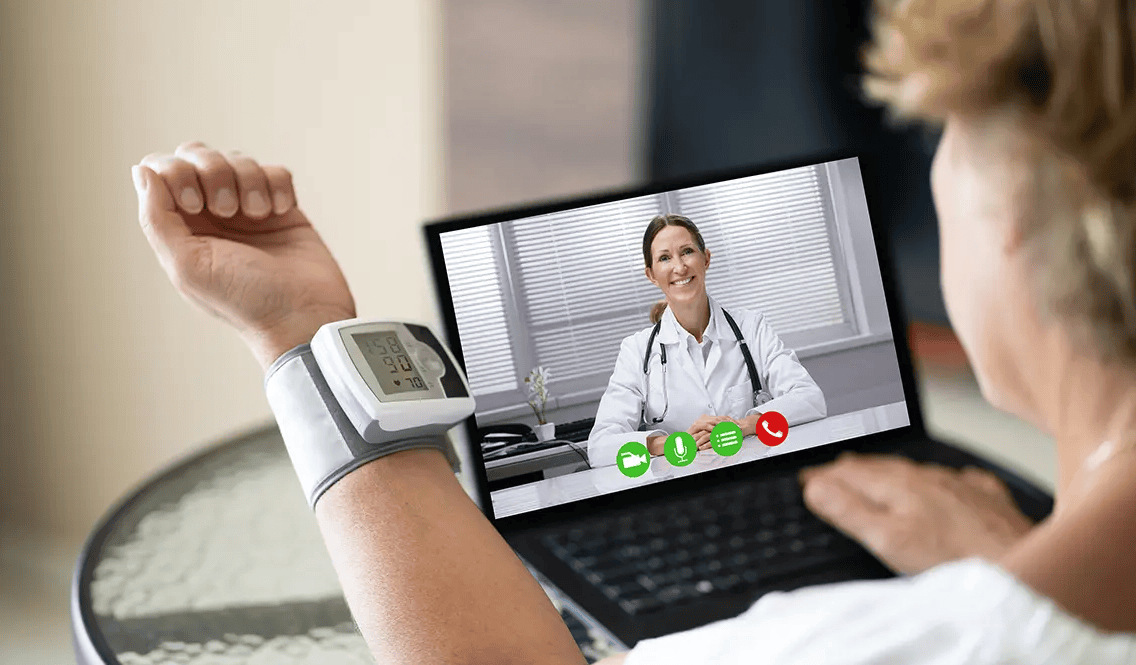
Managing diabetes often means making dozens of small, important decisions every day. A collaborative study between the University of Mississippi and the Mississippi Diabetes Network found that personalized telehealth coaching can help participants feel more confident making those choices while improving their health.
Around 1 in 7 Mississippians live with diabetes, making it one of the top nation’s five states for rates of the disorder. In a study published in the International Journal of Environmental Research and Public Health, participants reported that personalized coaching and education through telehealth significantly improved their ability to manage diabetes.
“Mississippi faces a very interesting combination of challenges that make diabetes even more difficult to manage,” said Caroline Brock, a master’s student in public health and co-author of the study. “Many communities, particularly in rural areas like the Mississippi Delta, have limited access to healthcare providers, transportation barriers, food insecurity and fewer opportunities to receive diabetes education.
“Each of these factors makes it harder for people to get the continuous support they need.”
To understand what makes a diabetes coaching program successful, the researchers tracked 27 patients as they took part in a Mississippi-based telehealth diabetes self-management education and support program called Diabetes Solutions.
The focus of the study was not on clinical outcomes, but rather on better understanding patients’ experiences throughout the program.
“Many studies hyper-focus on things like A1C levels, which is important to understand, but we also have to understand the user experience,” said Catherine Moring, program coordinator for Diabetes Solutions.
“Why are people participating, or why are they not participating? When do they participate? What is it that keeps them engaged and what are the challenges that they see?”
A diabetes diagnosis can often come with a new vocabulary and a new rulebook for staying healthy. Patients must monitor blood sugar levels, interpret A1C test results and learn how medication, exercise and stress can affect their daily life.
A patient living more than 30 miles from the nearest clinician or doctor – as is the case for many Mississippians – may struggle to understand their diagnosis, leading to poor management of the condition.
No program can succeed if participants quit, so better understanding what makes a program succeed can help inform diabetes coaching efforts, said Allison Ford-Wade, chair and professor of public health and co-author of the study.
“I think this also shows the promise of telehealth in this area,” she said. “For many of these patients, if we didn’t have telehealth, then they just wouldn’t have healthcare options in their areas.
“We cannot put healthcare providers in every corner of the state, but the way to reach every corner of our state with healthcare is using telehealth.”
The study found that patients valued the connections and relationships they built with their coaches, creating
an environment where they felt they could ask anything.
“One of the strongest themes that emerged from my interviews was how much participants valued having someone who truly listened to them without judgment,” Brock said. “Many participants shared that their primary care providers seemed to focus more on prescribing medication or telling them what they needed to change, rather than working with them to create healthy habits they could realistically maintain.
“Managing diabetes requires making decisions every day and knowing someone was there to celebrate successes and help navigate setbacks made participants feel more confident and less alone.”
Managing diabetes is particularly relevant in Mississippi, the researchers said. The lack of access to care, the extremely high rate of controlled, uncontrolled and undiagnosed diabetes, and the education gap for newly diagnosed patients is a dangerous combination.
“Often what those patients need is someone to walk with them on this journey,” Moring said. “We like to say that everyone who was ever great at anything had a coach.
“This is an opportunity for them to be really great at managing their diabetes and feeling better.”
For the researchers, the issue is also close to home. Brock is from Greenwood. Moring is a three-time graduate of Ole Miss who moved to the Delta to build a community and hospital wellness center for residents, meeting people where they are. Ford-Wade has dedicated decades to educating Mississippi minds to solve Mississippi problems.
“It’s sort of an uphill battle with diabetes in Mississippi,” Ford-Wade said. “But with programs such as Mississippi Diabetes Network and this specific one, Diabetes Solutions, as well as other great programs around the state, I think there really are people who are trying their best to have big impact on Mississippi and the health of the citizens of our state.”
This article is republished courtesy of the University of Mississippi.