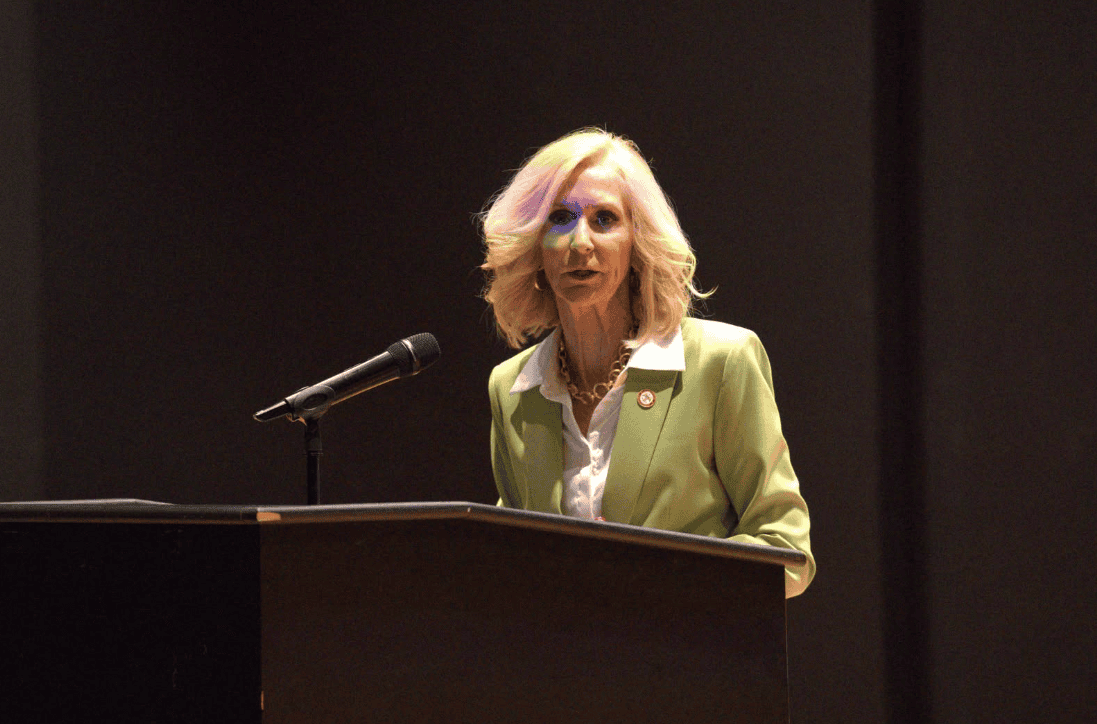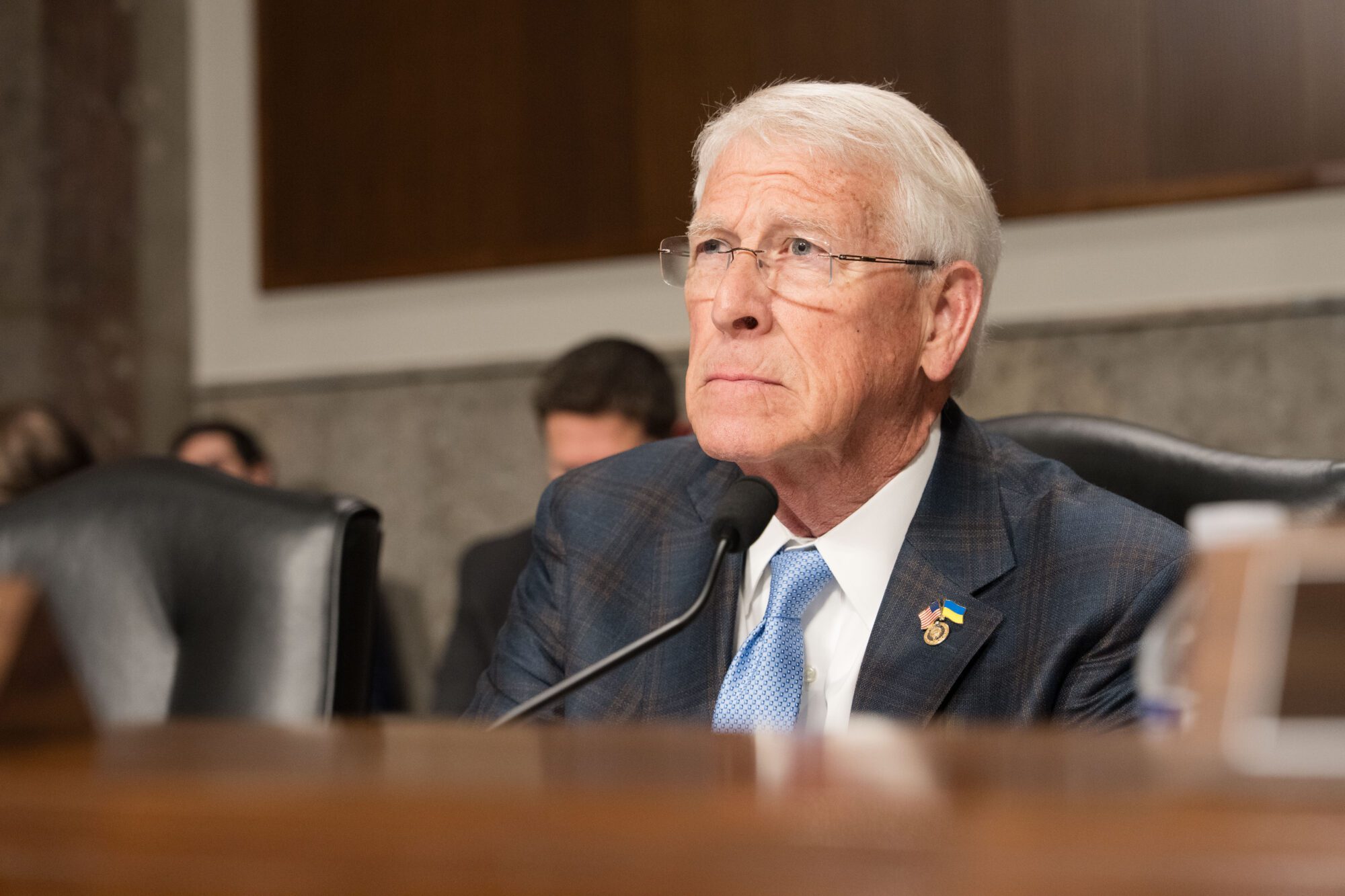
Armed Services Committee Hearings to examine strategic competition in an unconstrained, post-New START Treaty environment, in Washington, DC on February 3, 2026. (Official U.S. Senate photo by Rosa Pineda)
- “These alliances continue to pay dividends for the United States. People need to stop saying otherwise,” Senate Armed Services Chairman Roger Wicker said, adding that it is imperative to deter aggression by China, North Korea, or Russia.
Mississippi U.S. Senator Roger Wicker (R) took issue Tuesday with Trump administration officials who have been taking swipes at NATO and European allies, offering a strong rebuke at a Senate Armed Services Committee hearing to examine the posture of U.S. Indo-Pacific Command and U.S. Forces Korea.
“The growing alignment of our adversaries throws into sharp relief the enduring importance of America’s allies and the way they help protect our strategic interests. For decades, our alliance bonds—including NATO—have provided a comparative advantage over authoritarian states like China, North Korea, Russia, and Iran. These alliances continue to pay dividends for the United States. People need to stop saying otherwise,” Senate Armed Services Chairman Wicker said in his opening remarks. “It is not helpful when American leaders speak of our alliances with derision, but we must be clear about the numerous political, strategic, and moral benefits that our country receives from its alliances.”
Criticism of U.S. allies by a number of Trump administration officials, including the President himself, has ramped up as the Iranian conflict has dragged on. Few have meaningfully engaged in the effort meant to ensure the Iranian regime cannot produce a nuclear weapon.
Although Wicker did not directly rebuke President Donald Trump, the Senator went on to say some have suggested that U.S. allies have become little more than dependents of the United States.
“These skeptics argue that the United States must shift the burden – and that word, ‘shift’ is what I have a problem with,” Wicker said. “They argue we must shift the burden of defense and deterrence from the United States and onto our allies in Europe and Asia. I do not agree with the skeptics.”
The Senator said he is glad to see America’s allies stepping up, as they are doing all over the world.
“But there’s a difference between burden shifting and burden sharing,” he noted. “The president has called for increased burden-sharing, and I support that. But the way we execute that vision matters.”
Wicker stated that Americans have “a massive stake” in maintaining a favorable balance of power in both Asia and Europe.
“It remains a vital interest of the United States and cannot yet be delegated to others, not even to our closest allies,” Wicker said. “Burden shifting suggests that the United States has a limited stake in conflicts that erupt—or could erupt—in these key regions. Burden shifting implies abdication, rather than collective responsibility.”
Senator Wicker concluded his remarks by saying America’s alliance network is comprised of like-minded democracies and free-market economies, the importance of which cannot be overstated.
“Our alliances depend on each nation’s internal, domestic political support. Again, this is crucial. Every military alliance requires negotiation and compromise. Every military alliance requires negotiation and compromise. Alliances are, by definition, a two-way street,” Wicker said. “They require patience, an appreciation for the political drivers of the parties, and a willingness to undertake political, military, and economic risk on behalf of one another. Popular support from free people gives legitimacy to those necessary compromises.
Wicker added that the U.S. must continue to modernize its alliances to match today’s threats and capabilities.
“But any reforms should make us stronger and safer,” he said. “They should not detract from the strategic imperative of deterring aggression and coercion by China, North Korea, or Russia.”

Frank Corder