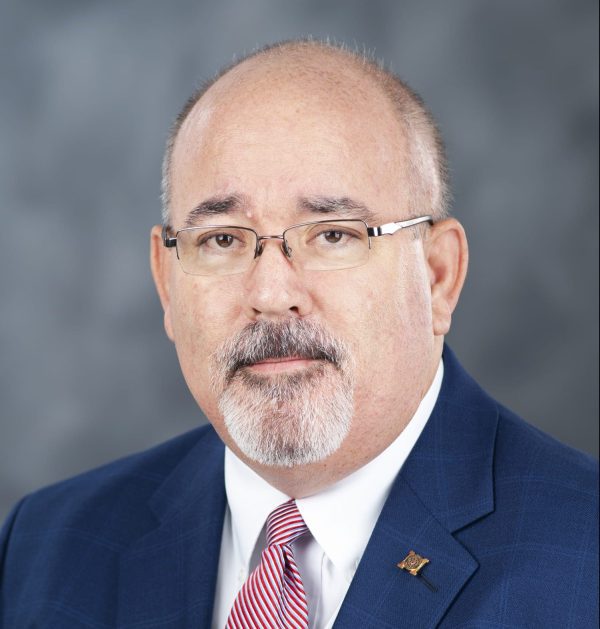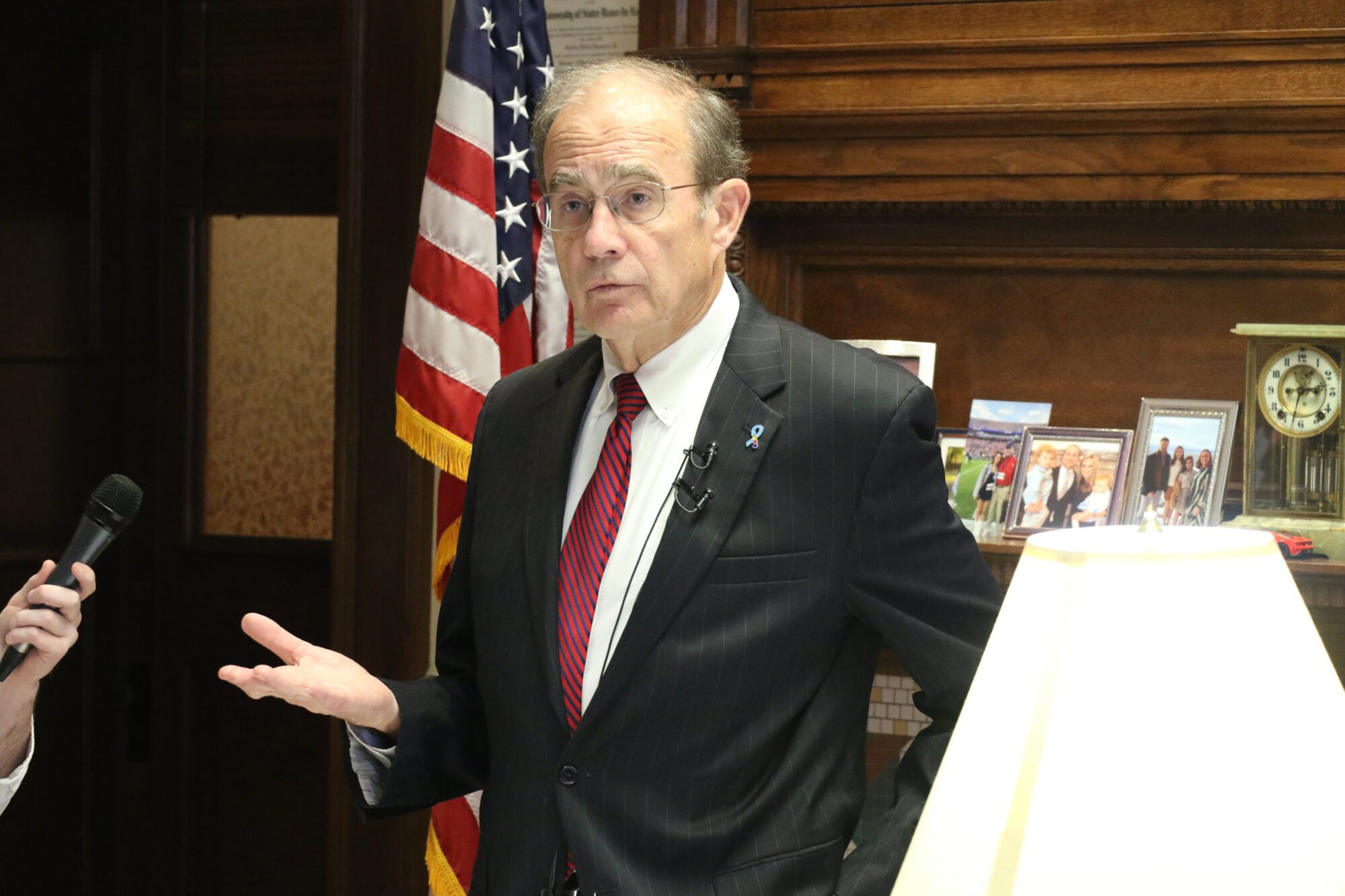
Justan Rice and Starla Brown
- The concept is straightforward: let hiring parties make voluntary contributions to portable benefit accounts owned by independent contractors.
Whether hauling freight along the I-20 corridor, managing construction projects on the Gulf Coast, or freelancing for one of the state’s growing health care and technology firms, Mississippians are choosing independent work in record numbers. They choose this path for a clear reason: the freedom to set their own schedules, pick their own projects, and control their professional lives.
This is more than a passing trend. Mississippi has experienced one of the largest surges in new business applications in the nation, ranking among the top states in the Southeast for entrepreneurial growth. According to the Economic Innovation Group, Mississippi saw new likely employer business applications increase by more than 67% compared to 2019 levels, placing it among the top five states nationally for startup growth. Between 2022 and 2023 alone, the state added over 6,000 new business establishments, a 7.4% gain in just twelve months. The vast majority of these new ventures are solo operations—independent contractors, freelancers, and sole proprietors who represent the fastest-growing segment of the state’s economy.
However, while these workers enjoy being their own boss, their independence comes at a steep cost.
Traditional employees typically receive employer-provided health insurance, retirement contributions, and disability protection. Independent workers are left to navigate these on their own. The Bureau of Labor Statistics has documented a significant “benefits gap,” where only 14% of independent workers have access to employer-style health benefits. Mississippi already faces some of the most significant health care access challenges in the country—nearly 10% of the state’s population lacks health insurance, and uninsured rates for working-age adults consistently exceed the national average. According to the Center for Mississippi Health Policy, almost half of uninsured adults in the state are employed full-time. For a state where nearly one in five residents lives below the poverty line, the absence of benefits for independent workers is not an abstract policy concern. It is a daily reality that leaves families one illness or injury away from financial disaster.
This is not inevitable. Current law creates a gray area that actually prevents platforms and hiring parties from helping their workers. Businesses that want to contribute to independent worker benefits risk triggering reclassification of those workers as employees, which would destroy the very flexibility those workers value. The system designed to protect workers now leaves a massive and growing share of the state’s workforce facing a false choice between independence and security.
A Common-Sense Solution
There is a better way. House Bill 1072, the Voluntary Portable Benefit Plan Act, offers Mississippi a clear path forward. The concept is straightforward: let hiring parties make voluntary contributions to portable benefit accounts owned by independent contractors. These accounts can fund health coverage, retirement savings, disability protection, life insurance, and emergency income replacement. Critically, making these contributions does not create an employment relationship. Workers keep their independence while gaining access to the financial security tools they need.
The bill also includes meaningful tax incentives to encourage participation. Hiring parties can deduct 100% of their contributions as a business expense, and independent contractors can exclude those contributions entirely from their taxable income. These provisions make it financially attractive for both sides to participate—a smart design that lets the private sector, not government mandates, drive the solution.
We already have proof that this approach works. A DoorDash pilot program allowed gig workers to receive contributions equal to 4% of their pre-tip earnings into portable savings accounts. The results were striking: nearly 75% of participants gained access to benefits they otherwise would not have had. Utah became the first state to pass portable benefits legislation in 2023, and states like Tennessee and Alabama have followed with their own versions. Mississippi should join this growing movement by passing HB 1072 into law.
Why This Matters for Mississippi
Small businesses and independent operators remain the undisputed backbone of Mississippi’s economy, with 47% of the state’s private-sector workforce employed by local firms—including over 35,000 small construction businesses alone—even as the state’s median household income has climbed to $56,447—well below the national average—the financial margin for error is razor-thin for the families of independent workers who lack a safety net.
For these workers, portable benefits mean security that follows them from job to job and client to client. For businesses, the legislation provides legal clarity needed to invest in their workforce without the fear of reclassification lawsuits. For the state, the economic benefits are clear: this system is privately funded, reduces dependence on public assistance programs, and ensures more Mississippians are privately insured and saving for retirement.
Addressing the Skeptics
Some argue the answer is to simply force these workers into traditional employment. But that ignores what workers actually want. According to a Bureau of Labor Statistics study, only 8% independent contractors would prefer a traditional work environment whereas 80% prefer to remain contractors because they value the flexibility to set their own schedules and choose their own projects.
Forcing them into nine-to-five roles does not protect them—it eliminates the lifestyle they have chosen. Portable benefits offer a third way: security and flexibility, without sacrificing either one.
The Path Forward
The way Mississippi works has changed, but the benefits system has not kept pace. Mississippi can continue with an outdated model that leaves a growing portion of its workforce vulnerable, or it can provide modern protections for modern work.
With entrepreneurial energy surging across the state and independent workers driving economic growth from the Delta to the Coast, the need has never been clearer. By passing HB 1072, Mississippi can ensure that choosing independence no longer has to mean choosing insecurity.

Justan Rice

Starla Brown