(Photo from Shutterstock)
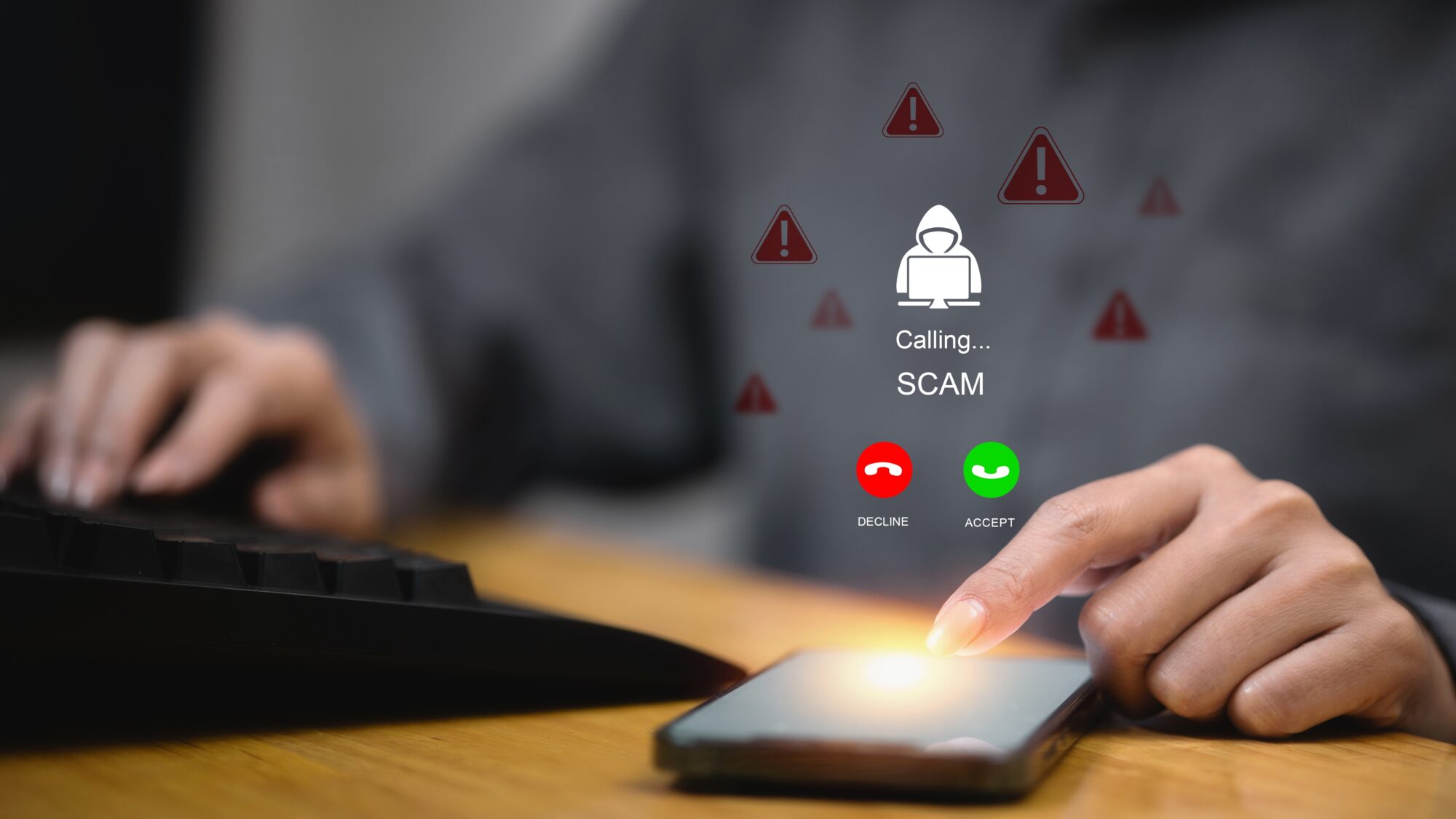
- Mississippians are becoming increasingly incensed with the growing number of robocalls they receive.
For decades, robocalls have plagued Mississippians as technology continues to evolve.
A nationwide effort has been underway to crack down on these annoying cold calls that not only disturb your peace and quiet but often work to steal personal information for illegal purposes.
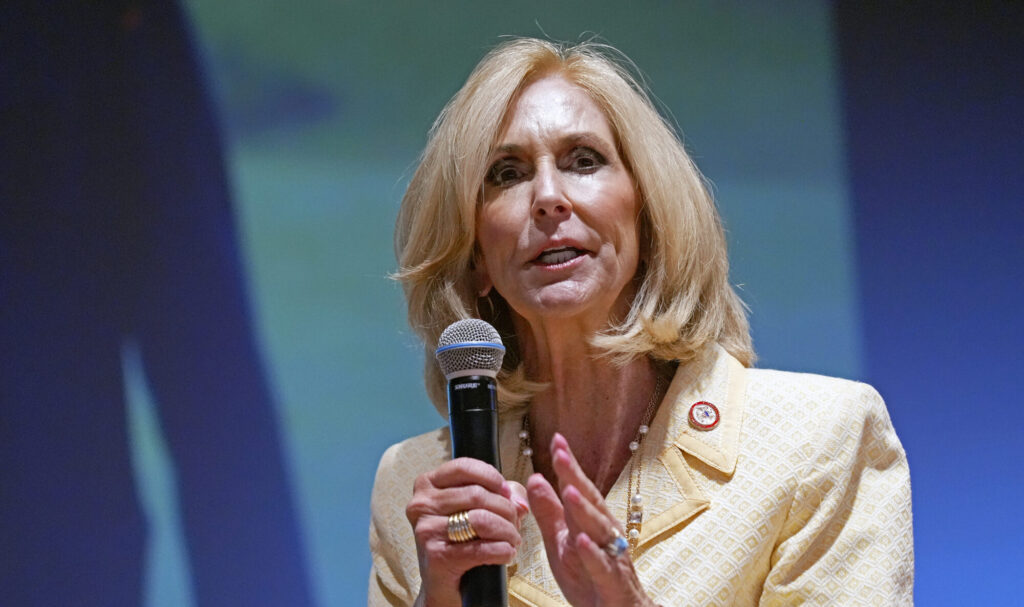
Mississippi Attorney Lynn Fitch (R) announced this week that the second phase of the national Operation Robocall Roundup is now underway. Her office is working in conjunction with 50 other attorneys general to protect people’s privacy.
“Robocalls are not only annoying and disruptive to our everyday lives, but they are often used to perpetrate scams,” Fitch said Tuesday. “I am proud to join my colleagues as we protect not only Mississippians, but all Americans from these unsolicited calls and hold the companies that facilitate them accountable.”
Mississippians are becoming increasingly incensed with the growing number of robocalls they receive.
“What I don’t like is how they call after 9 o’clock,” Mississippi resident Lance Kennedy told Magnolia Tribune. “They’ll call as late as almost 10:30, 11 o’clock sometimes.”
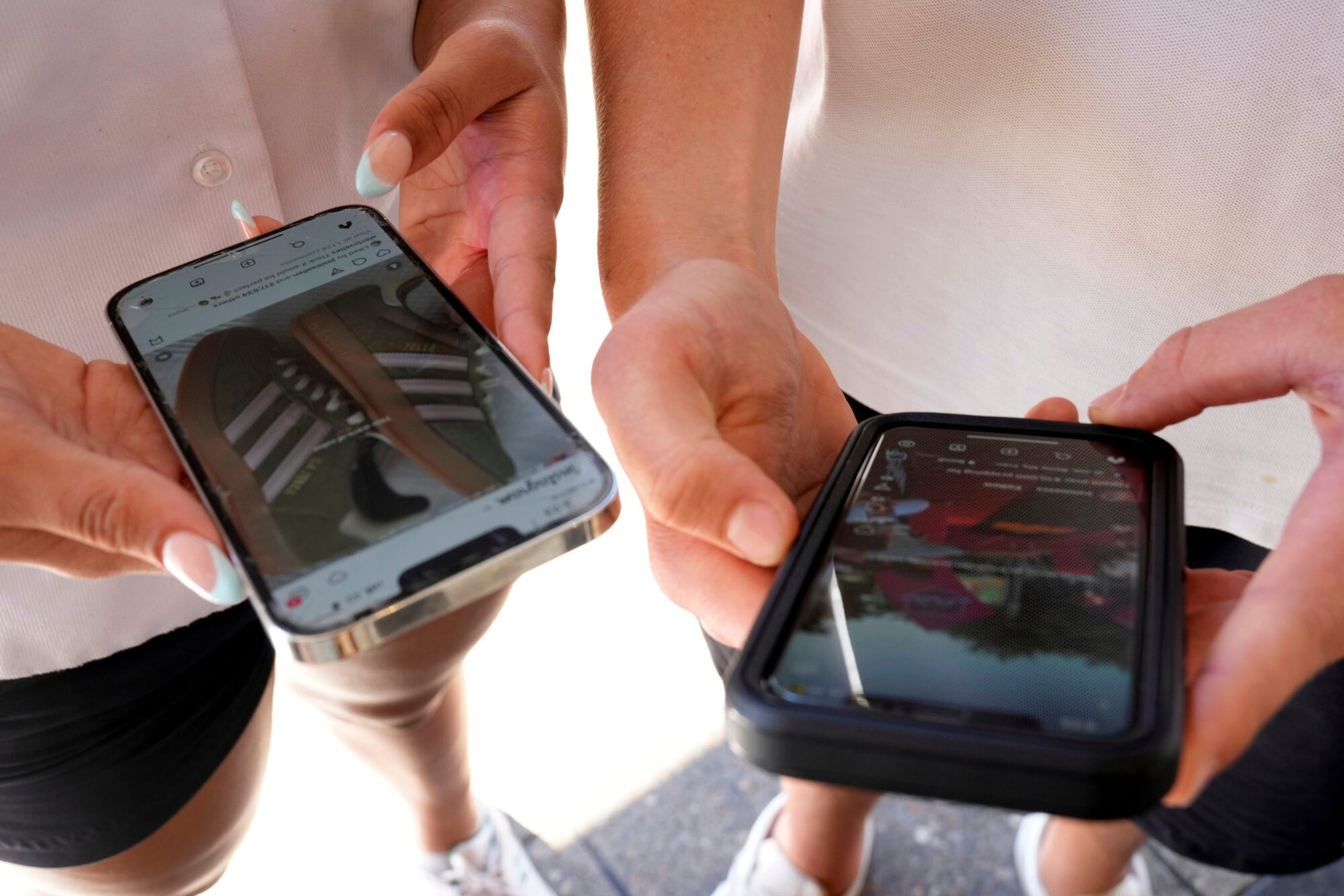
And it is not just calls, Kennedy said. Before noon on Tuesday, he had already received 11 texts from suspected scammers asking him to provide personal information or click on suspicious links.
Fitch said Americans receive an average of 13 robocalls each day.
“I know the end game. It’s all to get your information online so they can either mess with your credit or get any part of your debit card,” Kennedy said.
There are tools in newer cellphones that can abate some of these suspicious calls, but there are downfalls to using the technology for some of the state’s residents.
Jason Kreyssig said he used to employ screening technology on his iPhone, until he started missing work-related calls.
“I literally get calls from everywhere, because I deal with vendors all over the United States that supply our company,” Kreyssig told Magnolia Tribune. “My problem is I get these calls that I have to answer because I don’t want to miss an important phone call.”
He said the screening technology on his device is capable of detecting calls from numbers not listed in his address book and it sends it to an automated response asking for the name of the caller. A text is then sent to the recipient asking if they want to accept the call. The problem comes when potential customers start hanging up without providing their name.
“I had to stop doing that because I was missing calls. So, now I just have to suffer through it,” Kreyssig said.
In response to these issues, Attorney General Fitch said Mississippi is part of a nationwide effort through the Anti-Robocall Litigation Task Force, which was created in 2022 in conjunction with attorneys general from all 50 states to put pressure on companies to fix the issue.
In December alone, four larger providers – Inteliquent, Bandwidth, Lumen, and Peerless – have been requested by the task force to end the transmission of robocalls. Those companies have the ability to decline the calls from sources identified as “repeat bad actors.”
Fitch said that even after warnings have been issued for years to those companies, they continue to route the illegal calls across the U.S.
“For example, the Task Force investigation revealed more than 1 billion imposter Amazon and Apple robocalls and more than 3 billion imposter IRS and Social Security calls moved through these four companies’ networks over 3-4 years,” the Attorney General stated.
Phase 1 of the nationwide effort to tackle these robocalls took place in August and involved Fitch’s office sending warning letters to 37 voice providers. The result was 13 companies being removed from the Federal Communications Commission’s Robocall Mitigation Database, preventing United States-based providers from accepting their telecommunications traffic.
“In addition, four of the companies terminated their high-risk customer accounts and 19 are no longer appearing in Task Force traceback results, indicating that they have ceased routing suspected illegal robocalls,” Fitch explained.