Speaker White says House, Senate working together on PBM reform
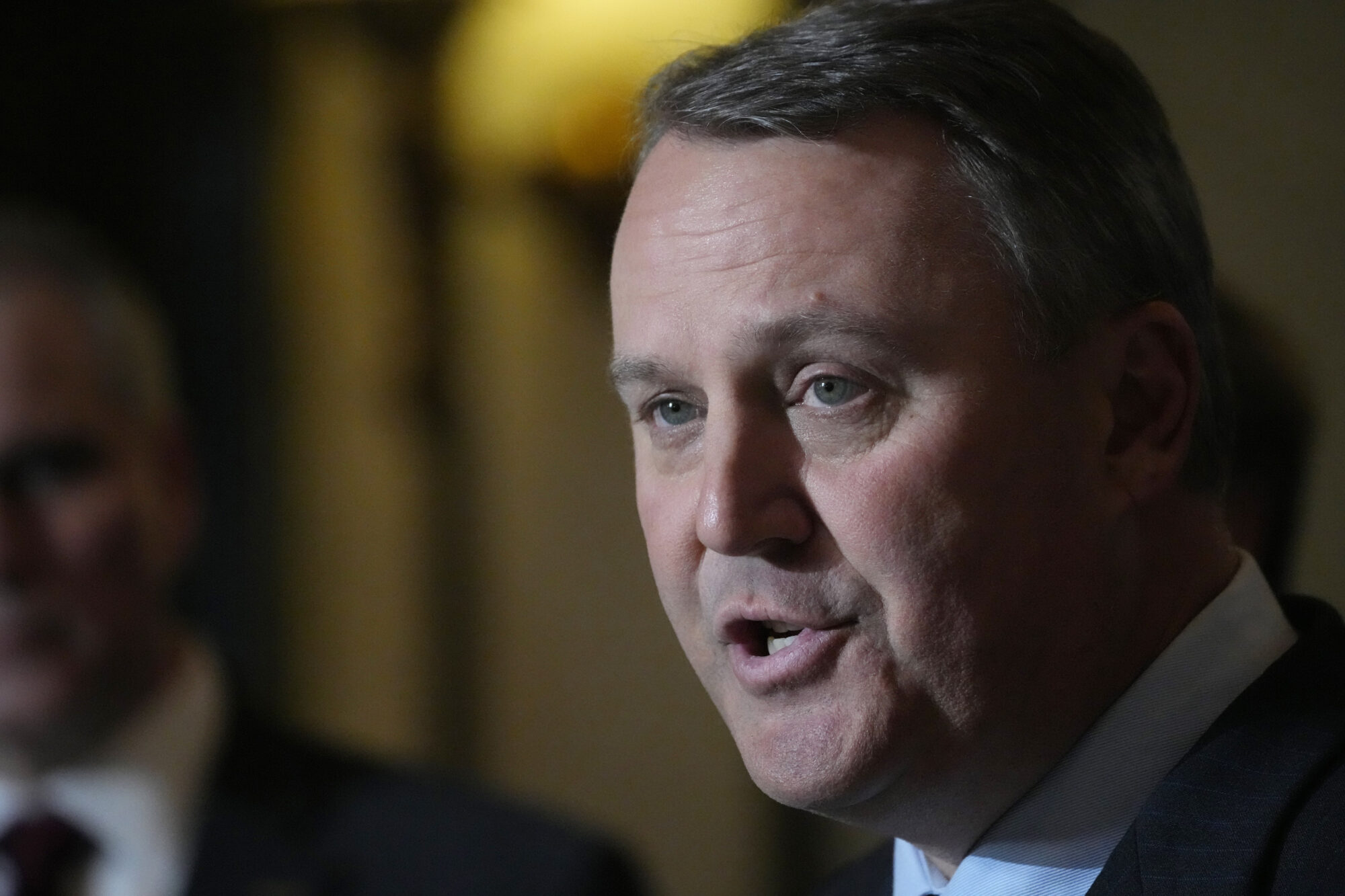
Mississippi House Speaker Rep. Jason White, R-West, speaks about the bipartisan support in the passing of a state incentives package for a Mississippi factory that will manufacture batteries for electric vehicles — a project that promises 2,000 jobs, during a special session of the Mississippi Legislature, Thursday, Jan. 18, 2024, at the Mississippi Capitol in Jackson, Miss. (AP Photo/Rogelio V. Solis)
- Both chambers have passed legislation aimed at addressing pharmacy benefit managers and prescription drug costs impacting Mississippians.
On Wednesday, House Speaker Jason White (R) said he was continuing to meet with independent pharmacists, the Board of Pharmacy, and the business community to work out an agreement that would provide for much needed and overdue support for independent pharmacists while also protecting employers and consumers.
Earlier this session, the House passed a bill – HB 1123 – that aimed to provide public transparency to how much money is earned by pharmacy benefit managers (PBMs) and pharmacy services administrative organizations (PSAOs). State Rep. Hank Zuber (R), chair of the House State Affairs Committee, said at the time that the measure’s goal was stopping “spread pricing.”
Spread pricing occurs when a PBM negotiates a lower rate for a prescription but charges an insurance company a higher amount than the negotiated rate. The PBM’s compensation for negotiating the lower rate is the “spread” between the two amounts.
READ MORE: Pharmacy benefit managers under Legislature’s microscope
“They’re going to be required to report the current wholesale cost for the drugs, the total rebate amount paid to each PBM and or PSAO,” Zuber told House members earlier this month.
As previously reported, PBMs were designed to reduce prescription drug costs for consumers. Because they work in conjunction with pharmacy networks that buy drugs in bulk, PBMs maintain leverage to negotiate lower prices and rebates with drug manufacturers. They also create “formularies,” which are approved drug lists designed to identify low-cost, preferred options for treating certain conditions.
Many independent pharmacists are among the critics of PBMs. The National Community Pharmacists Association claims PBMs actually raise drug costs for consumers because of the rebates charged to drug manufacturers that appear on their formularies. Others say that low reimbursement rates on prescriptions by PBMs can result in tight or negative margins for independent pharmacies.
Speaker White said Wednesday that the House has “led the charge on numerous pieces of PBM legislation that were never able to make it all the way through the legislative process, but the time is now.”
The Senate has since put forward SB 2677. White said the House is actively working with their Senate counterparts to assemble “the most meaningful and impactful legislation to reform the multi-faceted prescription drug industry.”
“It is a priority in the House of Representatives to support independent pharmacists who are such an essential part of Mississippi’s communities and protect consumers from heightened drug costs at the checkout line, while also guarding against increased health insurance and premium prices for our state’s businesses and citizens,” White said.
White went on to add that Zuber and State Senator Hob Bryan (D), chairman of the Senate Public Health and Welfare Committee, are working together on PBM reform in hopes of getting it done this session “while creating a win-win for independent pharmacists and Mississippi businesses.”
The House bill awaits action by Bryan’s committee while the Senate bill was double referred to the House State Affairs and Accountability, Efficiency, Transparency committees.
Both bills overwhelmingly passed their chambers, with the HB 1123 passing by a vote of 90 to 8 and SB 2677 passing unanimously.