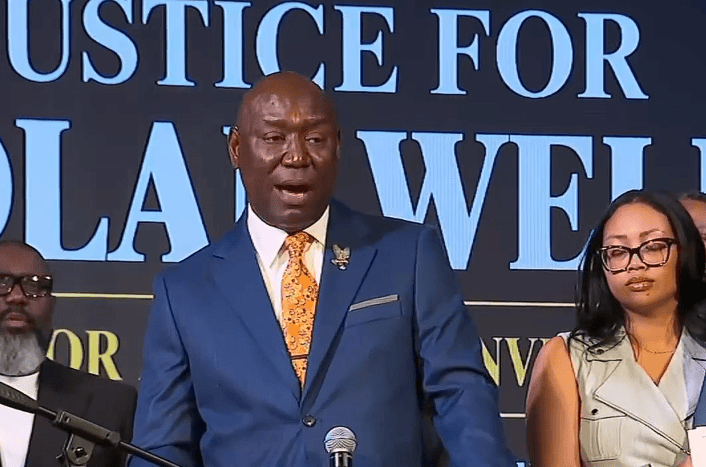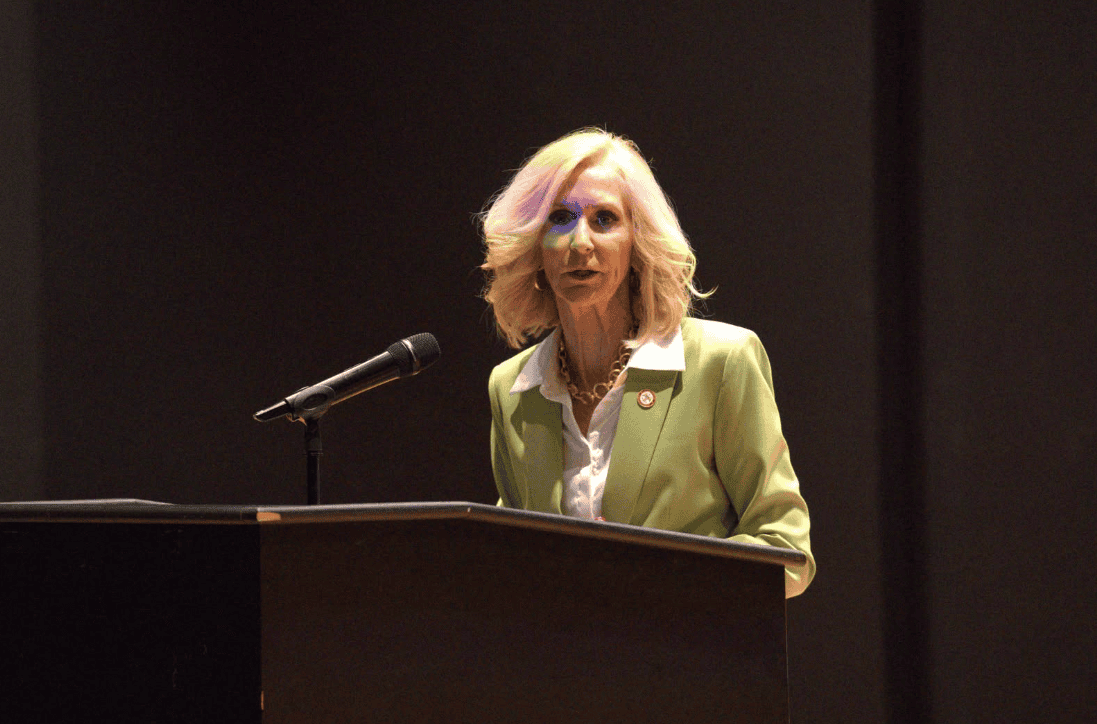
Attorney General Lynn Fitch (Photo from Fitch's Facebook page)
- The funds will be used to hire five more prosecutors along with support staff to focus only on combatting fraud in the Magnolia State.
The Mississippi Attorney General’s Office will hire five more prosecutors and associated staff as part of a partnership between federal and state agencies to more aggressively protect Magnolia State residents from various forms of fraud.
The Mississippi Joint Task Force Vigilance, the first in the nation, is being funded through $2.5 million provided by the U.S. Department of Justice. That funding, announced in July, will be used to hire five prosecutors experienced in prosecuting instances of fraud, crimes committed by undocumented aliens, the sale and distribution of illegal drugs, and human trafficking. The funding will also cover the cost of hiring the necessary support staff.
“Partnerships like this show that we are bringing every available tool to Mississippi to fight fraud and make Mississippi safer,” Attorney General Lynn Fitch (R) said. “The Department of Justice made Mississippi’s Joint Task Force Vigilance the first of its kind, a model for bringing together federal and state agencies to fight con artists, grifters, fraudsters and scammers.”
One type of fraud the task force will work to prevent involves the theft of Medicaid, Medicare, SNAP and other government benefits.
“The message today is clear: the FBI—working alongside the Mississippi Attorney General and her Office, the U.S. Attorneys and their staffs for the Northern and Southern Districts, and future partners—is firmly committed to safeguarding public resources, uncovering fraud and aggressively pursuing those who steal from the American taxpayer,” FBI Special Agent in Charge Robert Eikhoff said.
It is estimated that more than $14 billion was stolen in 2025 through various forms of fraud that included investment fraud, romance fraud, compromises to business email accounts, and people impersonating government officials, Eikhoff explained. He added that government officials will never ask for gift or payment cards as a form of payment.
“If you’re unsure who’s asking for your money reach out to law enforcement, go to the publicly posted phone number, contact them. Don’t trust the person who is on the phone with you. Don’t trust the person who is communicating online with you,” Eikhoff warned.
If fraud is suspected to have occurred, time is of the essence, Fitch added. She asked all state residents to contact law enforcement as soon as possible if scammers attempt to get into an account, or run any other type of scam, especially if money was provided to the scammer. The faster law enforcement and her office get involved, the more likely the victim recovers their lost funds.
Fitch said her office was able to recover $105 million in the last few years from fraud attempts and return that money to the proper owners because they acted quickly.
Scammers typically focus on the elderly, who are more likely to fall prey to fraud attempts, but there have been reports of young professionals also falling victim.
It was noted that scammers will try to get victims to send funds using forms of cryptocurrency, which has a recovery rate of near zero. Mississippians are advised to never send money using cryptocurrency.
In addition to romance scams where a “person” online pretends to be romantically interested in their victim, scammers have also been known to ask for down payments to secure “lottery” winnings. Artificial intelligence models have become another tool scammers use.
Officials estimate that AI was responsible for about $1 billion being stolen last year, and that is expected to increase as the models advance.
Fraud can be reported via IC3.gov or by calling 1-800CALLFBI.