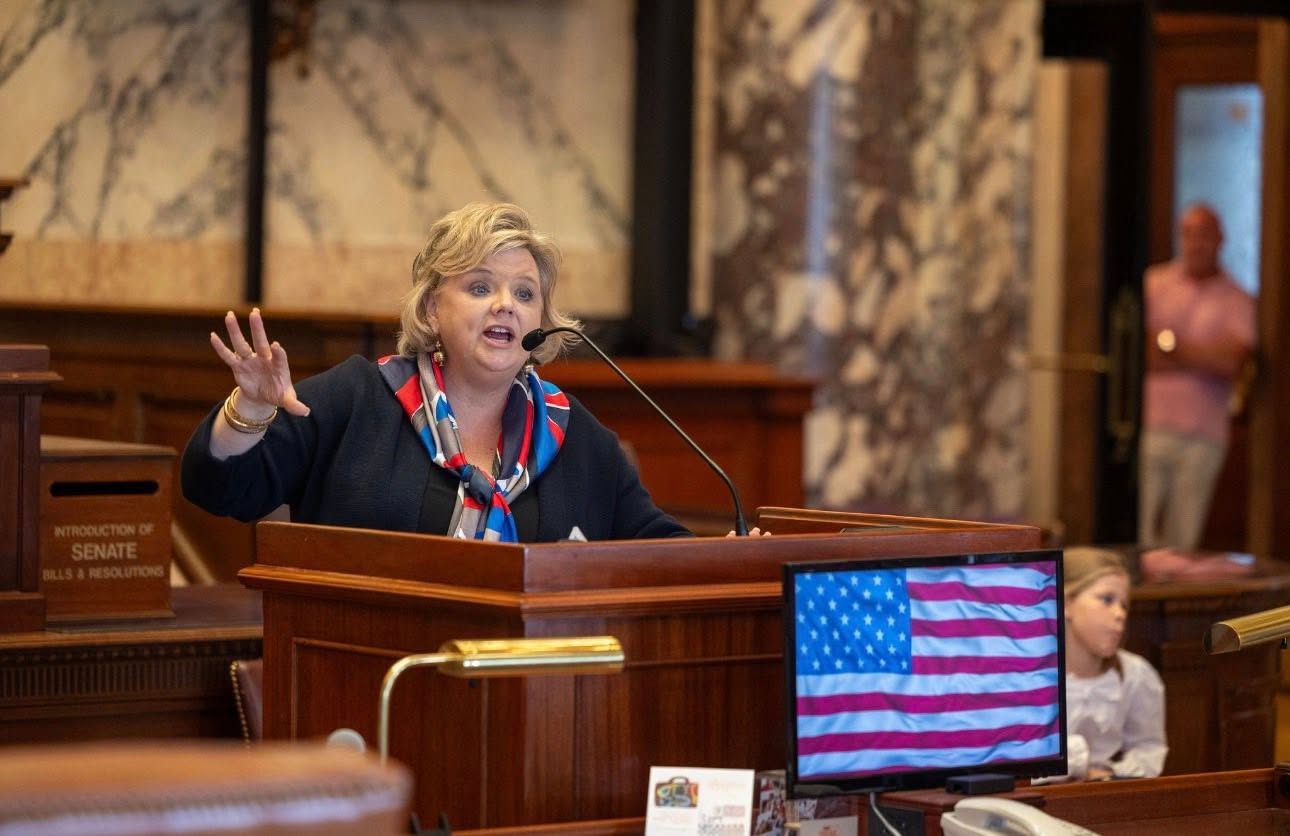
State Senator Nicole Boyd (Photo from Facebook)
- The new council will pool the data and efforts of colleges, universities, business recruitment organizations and state agencies to fill any gaps in providing the necessary talent to keep Mississippi’s economy growing.
Mississippi is facing a decline in the number of young people entering the state’s education pipeline. That is a cause for concern for the future of the state’s workforce as well as its continued economic growth.
To address the situation, the Legislature passed SB 2524, which created the Mississippi Postsecondary Attainment Council, with the Office of Workforce Development as the hub. This new council will pool the data and efforts of colleges, universities, business recruitment organizations and state agencies to fill any gaps in providing the necessary talent to keep the economy growing.
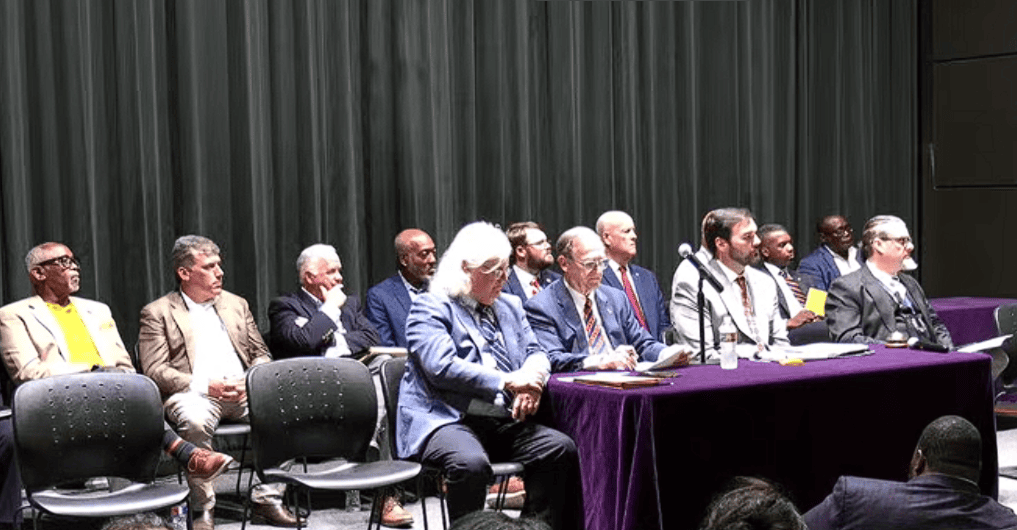
During the first meeting of that committee on Tuesday, Senate University and Colleges Committee Chair Senator Nicole Boyd (R) asked the council to take a hard look at what can be done to ensure the state’s workforce pipeline continues to flow.
Her concern is that as K-12 enrollment continues to dwindle, and less children enter the secondary education system, there is created a much more competitive environment for universities and community colleges.
Boyd hopes the council can also help create clearer credential pathways that can lead to better pay in family-sustaining careers. As such, she would like to see high school students have better knowledge of the opportunities available to them to help reach those goals.
“And here is the hard truth, Mississippi can no longer afford to lose people in the gaps between our systems,” Boyd said.
A shortage of workforce talent in the state will only exacerbate an already existing staffing shortage Mississippi’s businesses are experiencing, Boyd explained.
The chairwoman would also like to see the measure of successes in the state broadened and include information from a range of agencies and organizations.
“We cannot afford for education, workforce and economic development to use different data, pursue different goals and meet at different tables,” Boyd said. “And we certainly cannot afford to measure success simply by how much money we spent, how many programs we created or how many people we enrolled.”
Her hope is the newly formed Mississippi Postsecondary Attainment Council will set the state on a more positive trajectory.
“Look at where students are falling out of the pipeline,” Boyd requested. “Look at which credentials actually create economic mobility. Look at whether our investments are producing results. And when the data tells us something we do not want to hear, do not explain it away.”
Boyd added that Senate Bill 2524 intentionally built public accountability into the work ahead for the group.
“There will be a public scorecard. There will be public reporting. The people of Mississippi should be able to see whether we are moving the needle,” she said, telling those gathered for the council meeting, “You have been given a table that did not exist before. My challenge to you is: let’s do something with it.”