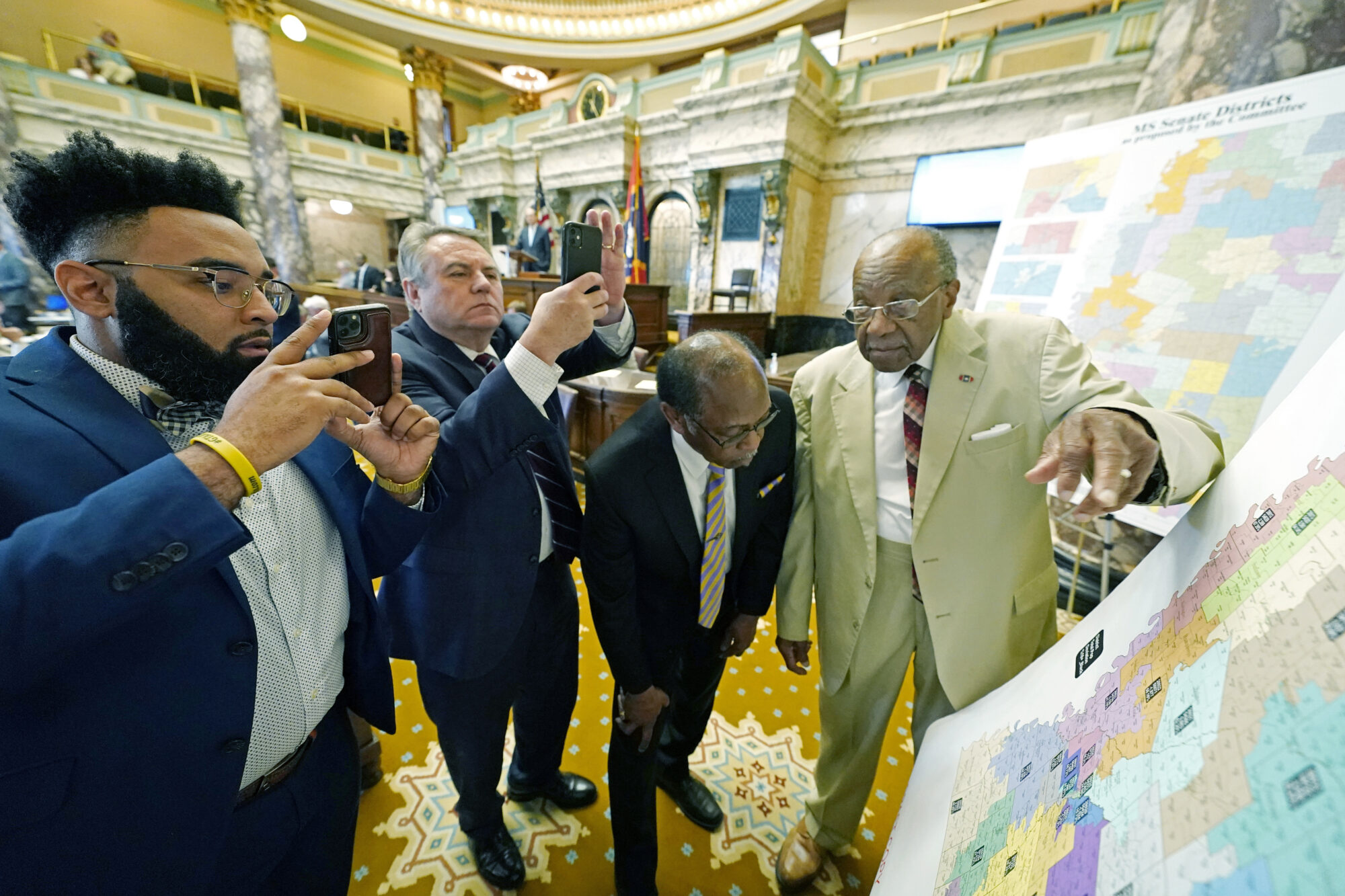
FILE - Mississippi state Sens. Rod Hickman, D-Macon, left, Michael McLendon, R-Hernando, second from left, Albert Butler, D-Port Gibson, and David Jordan, D-Greenwood, review an alternate Senate redistricting map at the Mississippi Capitol in Jackson, Miss., March 29, 2022. Three federal judges ruled Tuesday, July 2, 2024, that Mississippi legislators must redraw some state House and Senate districts because the districts adopted in 2022 dilute Black voting power. (AP Photo/Rogelio V. Solis, File)
- In 2025, the Mississippi Legislature was forced by court order to redistrict and hold special elections, costing Republicans their supermajority in the Mississippi Senate. On Monday, the Supreme Court vacated that court order that required those elections.
The U.S. Supreme Court has vacated an order from a three-judge panel that forced legislative redistricting under Section 2 of the Voting Rights Act. The resulting special legislative elections held last year saw Republicans lose their supermajority in the state Senate.
The NAACP initially brought the case to the lower court on behalf of 14 individuals who claimed black voting strength was being diluted in certain areas of the state. The federal three-judge panel ordered mid-term legislative redistricting be done to allow for higher black voting age populations in North Mississippi, namely DeSoto County, along with Pine Belt senate and house districts. A total of 15 special elections followed in November 2025.
The Board of Election Commissioners and the Mississippi Republican Party appealed the lower court’s decision prior to the special elections, arguing that private parties such as the NAACP and the individuals it represented were not entitled to sue to enforce Section 2 of the Voting Rights Act of 1965 which caused the 2025 redistricting and subsequent special legislative elections.
The Attorney General and the state GOP contended that “only Congress” decides whether private parties may sue to enforce the federal statute, and Congress has allowed such suits only in “atypical cases.”
Monday’s order from the U.S. Supreme Court was brief, stating, “Judgment VACATED and case REMANDED for further consideration in light of Louisiana v. Callais.”
The Callais case, recently decided by the nation’s highest court, found that race could not be used as a determinative factor in drawing districts and changed the evidentiary standard required to sustain an alleged racial discrimination claim under the Voting Rights Act.
Michelle Williams, Attorney General Lynn Fitch’s chief of staff told Magnolia Tribune, “This is a very good outcome for the State. We are reviewing the order to determine next steps now.”
Justice Kentaji Brown Jackson was the lone dissenter. Brown Jackson argued that the state had only appealed “Section 2’s private enforceability, which our decision in Louisiana v. Callais did not address.”
By vacating the entire lower court order, the U.S. Supreme Court declined to answer the private right of action question posed by the state. The Court’s action suggests it is punting on the question of private enforceability because it believes the lower court’s order is invalid for other reasons — namely the decision in Callais.
The case now goes back to the lower court for further briefing to determine how Callais impacts the previous order and what legal remedies should be imposed.
This is a developing story. Please check back for updates as more information becomes available.
Reaction to the Ruling
In the wake of the ruling by the U.S. Supreme Court, Magnolia Tribune sought comment and reaction from various Mississippi leaders. Below are some of those responses as well as reactions posted on social media.
Governor Tate Reeves (R)
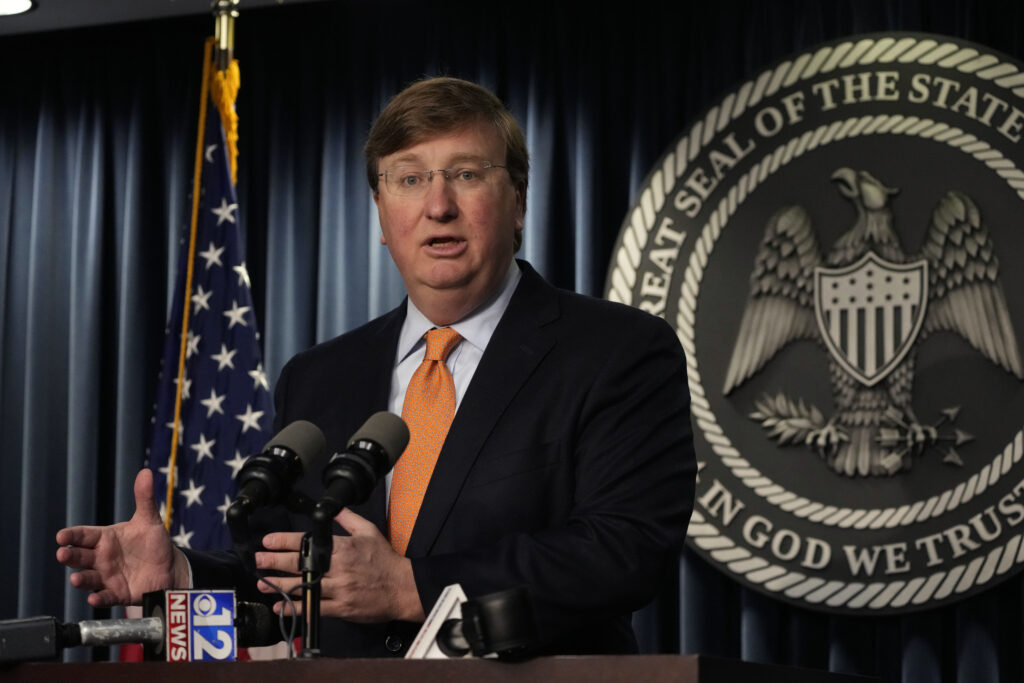
“As I said last week, there are a lot of moving parts and complexities to consider with respect to the next steps on redistricting in (at least) three separate and distinct areas: 1) Legislative; 2) Judicial; and 3) Congressional.
“Each of these requires thoughtful consideration of all potential cause and affects and, in some cases, may even require further clarity from the courts.
“Today, we got an additional piece of judicial clarity as the U.S. Supreme Court vacated the 2025 order of the lower court requiring Mississippi to redraw three state legislative districts. The U.S. Supreme Court has again recognized that race may not be considered in drawing legislative maps. They also remanded this case back to the original three judge panel – an opinion that we believe ultimately results in the 2022 legislative maps being reinstated.
“This opinion and decision is another win for the principle that all Americans are created equal.
“In Mississippi, we have much more work to do to get our maps fully fixed (in all three areas mentioned above) after years of unconstitutional requirements placed on the state by the lower courts. But… today is another good day for Mississippi and America!”
Secretary of State Michael Watson (R)
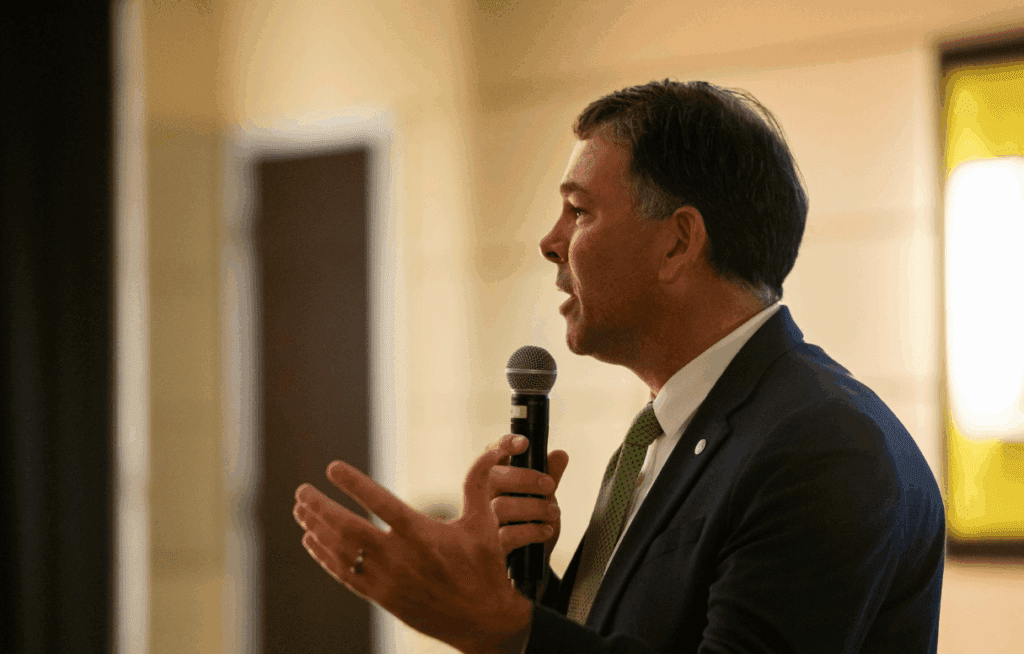
“Pleased to see the continued application of the Callais case which will lead to a more constitutional approach to redistricting. Specifically in this case, it appears the court decided to punt on the issue regarding the enforceability of Section 2. Our team will continue to digest the ruling and work towards charting the best path forward for Mississippians.”
Mike Hurst, Chairman of the Mississippi Republican Party
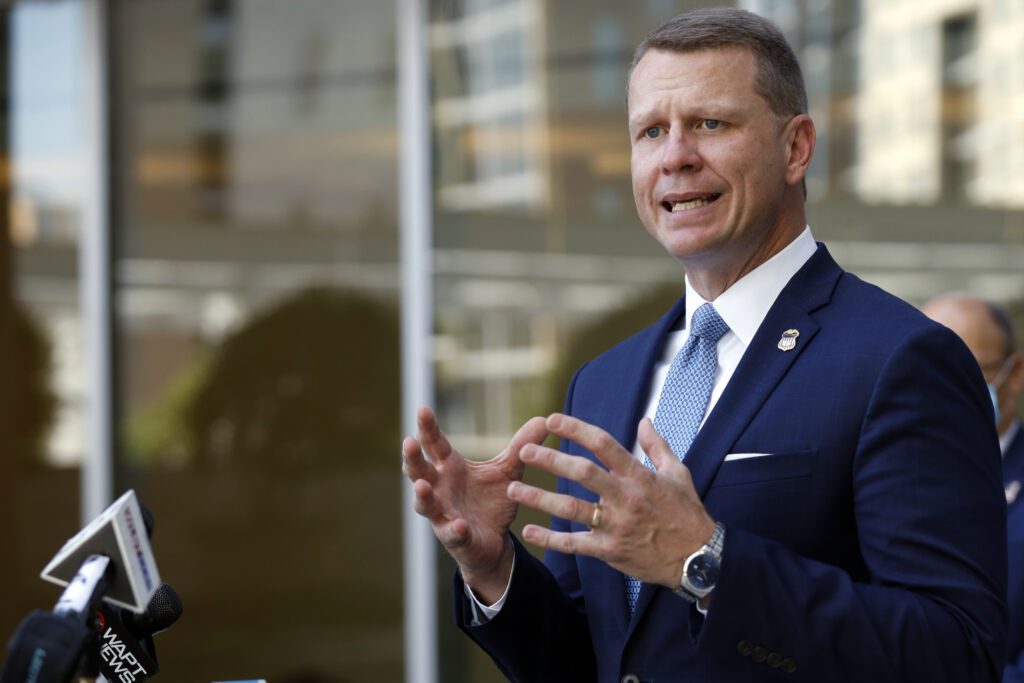
“The text and structure of the Voting Rights Act clearly shows that Congress did not give private plaintiffs the ability to sue under Section 2 of the statute, as the Eight Circuit rightly concluded. I am disappointed that the U.S. Supreme Court did not take up this issue and resolve it. However, I am glad to see the Court vacate our Mississippi legislative redistricting case and send it back, as I am confident the State will redraw our legislative districts based on our Constitution and the law.”
State Senator Michael McLendon (R)
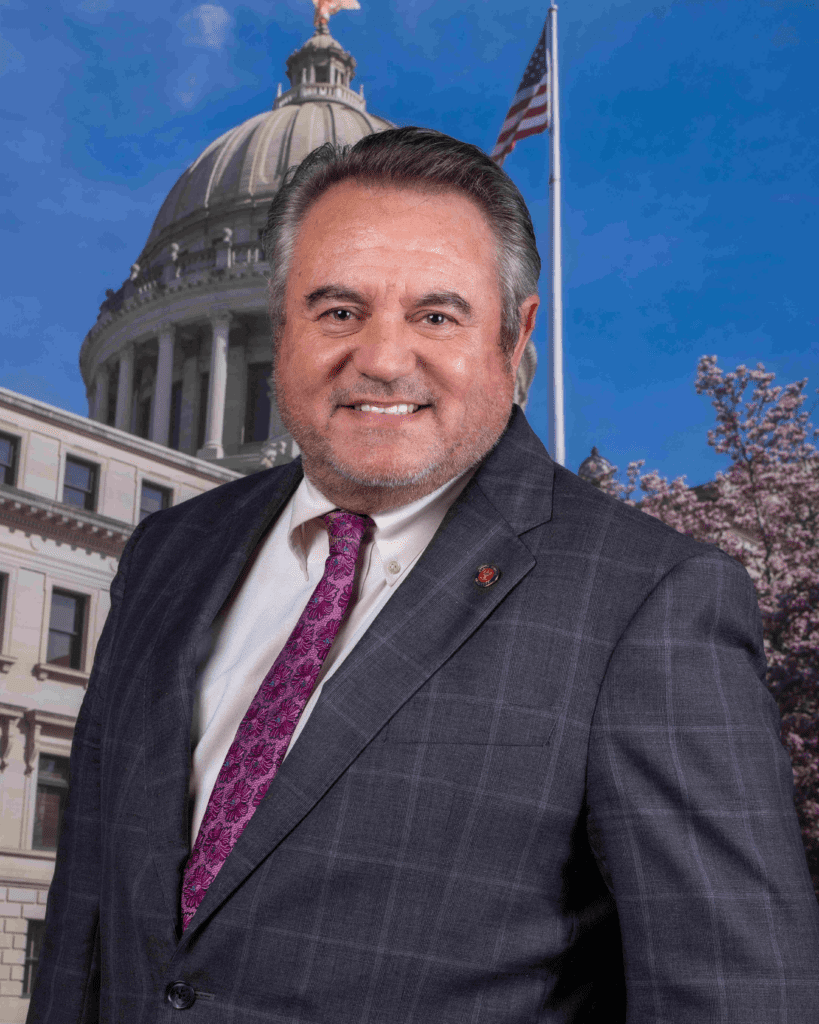
“SCOTUS just vacated the ruling that forced Republican Senate districts to be redrawn under Section 2 of the Voting Rights Act last year and ordered the lower court to reconsider the case after Callais v. Louisiana. As I argued fiercely at the time, I believe our districts should never have been redrawn in the first place, despite the establishment surrendering. Today’s order casts serious doubt on the legal foundation behind that redistricting and the same race based theories Democrats used to create and defend Bennie Thompson’s district. Any argument against revisiting Mississippi’s congressional map in 2026 is collapsing in real time. Redistrict Mississippi now.”

Russ Latino