- “It is beyond time that we take affirmative steps to protect our children,” State Rep. Joey Hood (R) said. “These children and these parents don’t have lobbyists. They have us.”
Lawmakers say Mississippi children will be safer on social media after the governor signed a bill into law regulating the platforms.
Under the Mississippi Keeping Kids Safe Online Act, youth visiting social media sites will be required to have parental consent. Platforms that misrepresent safety features can face civil penalties of up to $10,000.
Legislators said the bill aims to address the growing concern over youth safety when online.
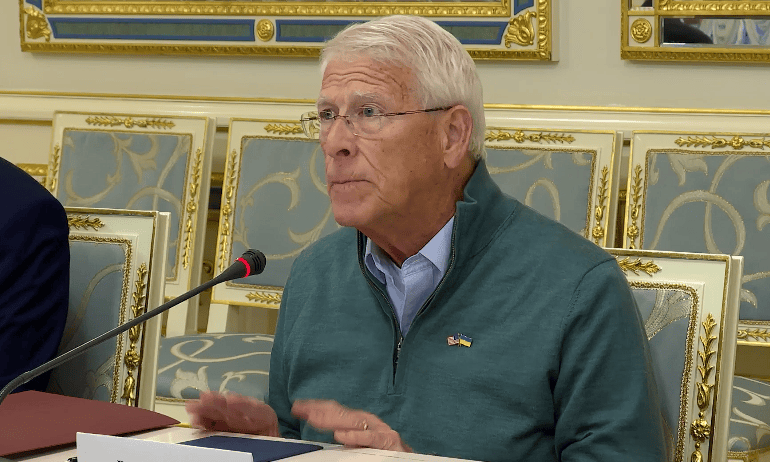
“It is beyond time that we take affirmative steps to protect our children,” State Rep. Joey Hood (R) said during the House debate on the measure in February. “These children and these parents don’t have lobbyists. They have us.”
State Senator Angela Hill (R) said enacting the bill is a “common sense” way to protect Mississippi’s children from online predators.
The key provision of HB 1224 relates to parental consent and age verification. Sites must obtain written consent from parents or guardians while also using age verification tools. The law states that sites that follow the rules and provide site-visited history to parents are not liable for action.
Another provision is that the Mississippi Department of Education must create social media safety courses for students in grades 6 to 12. These courses will examine predatory behavior, cyberbullying, and other online risks. The department must also publish online safety materials for schools and families. Parents are allowed to opt their children out of the course.
“We’re not going to allow them to falsely say that it’s not addictive if it is addictive,” Rep. Hood said of the social media platforms. “We’re not going to allow them to falsely say that it’s safe for children if evidence-based data shows that it is harmful.”
Additionally, the new law allows the state Attorney General to fine companies up to $10,000 per violation. Parents can also seek damages if their children are repeatedly exposed to pornographic material on a social media platform. The law does not define a number of occurencces to qualify as repeated.
The Attorney General’s Office is grateful lawmakers passed the new law, saying it continues to “prioritize the mental and physical well-being of children in an increasingly dangerous online environment.”
“It is one of [Attorney General Lynn Fitch’s] key priorities, and we are in court both defending the Walker Montgomery Act and on offense, suing and investigating more than half a dozen of the biggest of Big Tech companies,” the AG office said in a statement to Magnolia Tribune.
In February, the Attorney General went before the Fifth Circuit Court of Appeals defending the Walker Montgomery Act, a law that requires digital service providers to verify age and implement safety strategies to prevent harmful images from reaching children. Then in March, the Office was in state court against TikTok, the AG’s Office noted.
The new online safety law mirrors those already in effect in New Mexico and California. It goes into effect July 1.