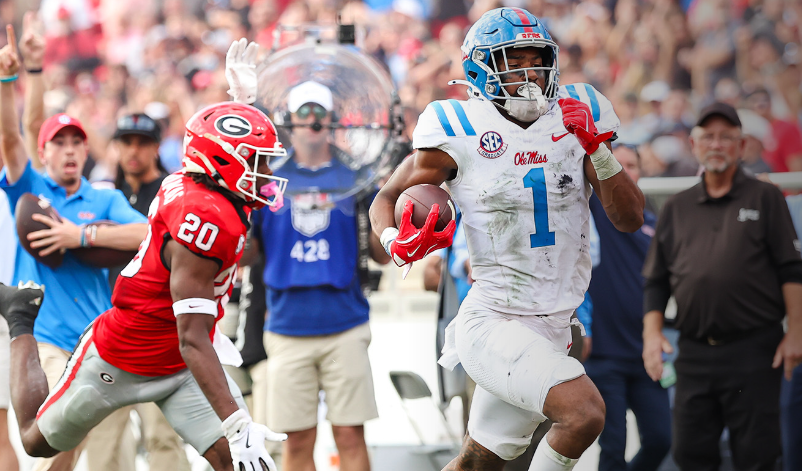
(Photo from Ole Miss Athletics)
- Earlier this year, colleges in no income tax states used that as a selling point when trying to snag players in the transfer portal. Mississippi lawmakers say the Magnolia State needs to remain competitive in that arena.
In this new era of college football so heavily focused on the almighty dollar, schools in states with no income tax have sought to use that to their benefit when recruiting players.
The University of Central Florida, University of Houston and others promoted the lack of a state income tax across their social media platforms in January. The unique marketing was done in hopes of distinguishing themselves from other universities competing to land coveted transfer portal players in states that do require an income tax.
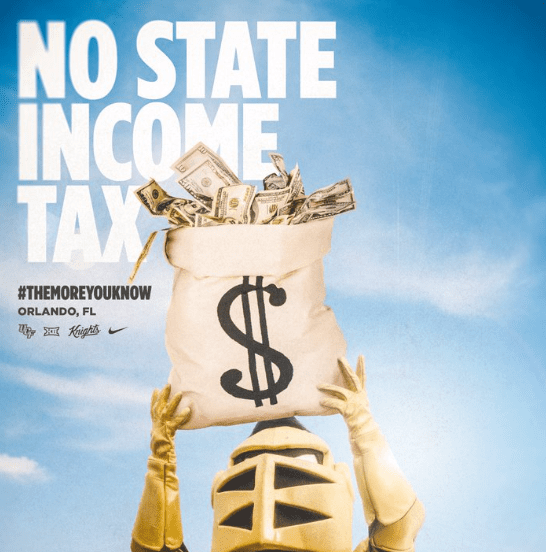
Nine states do not have an income tax. They are Alaska, Florida, Nevada, New Hampshire, South Dakota, Tennessee, Texas, Washington and Wyoming.
Then there’s Arkansas, where in 2025 lawmakers voted to exempt name, image and likeness (NIL) earnings paid to college athletes directly from their universities from the state’s income tax.
Mississippi is now considering legislation that would do the same for college athletes receiving NIL benefits, even as the state gradually eliminates the state income tax for all earners over the next decade, assuming certain economic triggers are met.
First-term State Rep. Jonathan McMillan (R) authored HB 4014, which seeks to exempt NIL compensation from the state’s income tax. The bill defines NIL compensation as “any money, goods, or services provided to an intercollegiate athlete, while enrolled at a postsecondary educational institution located in Mississippi, in exchange for the use of the athlete’s name, image, or likeness including revenue-sharing or name, image, and likeness payments from a postsecondary educational institution or a third-party.”
McMillan’s bill drew bipartisan support as well as bipartisan opposition before it passed the chamber on Wednesday by a vote of 76 to 32.
House Ways and Means Committee chairman State Rep. Trey Lamar (R) presented the bill to the chamber, saying, “NIL is something that’s taken the country kinda by storm in the college sports arena the last few years.”
“There’s other states doing it,” Lamar said. “I believe Mississippi needs to remain competitive in that arena.”
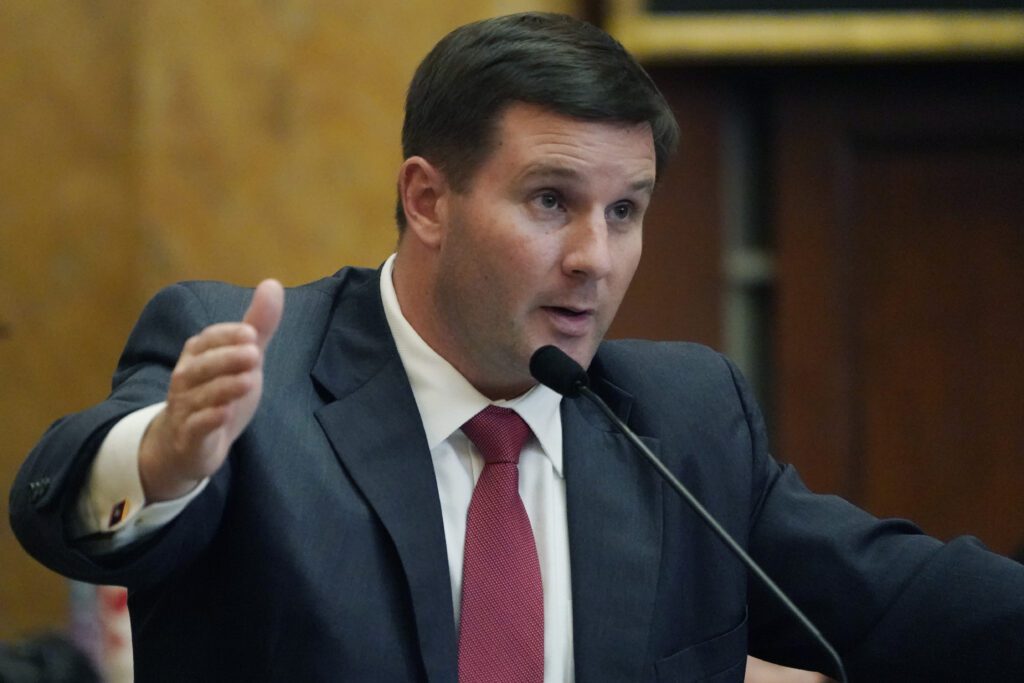
Lamar did express concern over young adults “being thrust into an arena” where they are seeing money unlike anything they ever considered, which could unknowingly result in civil or criminal tax liabilities due to what is happening in the world of NIL.
“As we move toward a no income tax state, the committee chose to pass this bill out and I believe it makes sense to help these kids in this arena,” Lamar said.
State Rep. Shanda Yates (I) said she had no problem helping the kids “but if we’re going to give a tax exemption, we need to give it,” adding that she does not think the bill goes far enough as it is limited to college athletes.
State Rep. Daryl Porter (D) then asked Lamar if lawmakers keep giving out tax exemptions “how’s the state going to make any money?”
“Well, we voted to eliminate the income tax last year, or some of us did,” Lamar said, of which Porter declared, “I didn’t.”
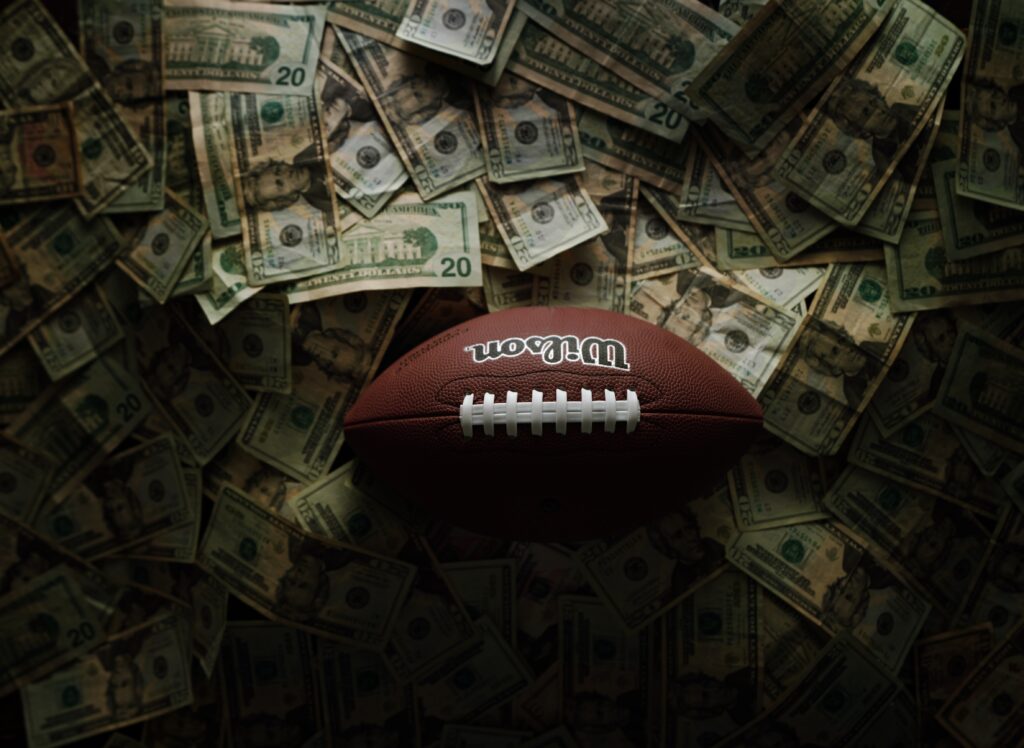
State Rep. Dan Eubanks (R) rose to ask why college athletes would not be taxed “like any other employee?”
“Is the only incentive for us doing that is that other states are doing it?” Eubanks inquired of Lamar, with the chairman listing Texas, Tennessee and Florida who are “using it against our in-state schools.”
Eubanks said he does not understand why the college athletes are being treated any different than someone who works at Starbucks.
“This is what I’ll tell you,” Lamar said. “This is a new tax. I don’t think anybody was filing tax returns based off of $100 handshakes pre-NIL. So it’s a new tax, a new arena. And if you come to me and there’s a new arena that pops up next year that we’re not currently getting revenue off of I’ll consider exempting that as well, because that’s where we’re headed as a state, no income tax.”
The bill now moves to the Senate for consideration, where its chances of passage are unclear.

Frank Corder
What to know about Trump Accounts and automatic enrollment