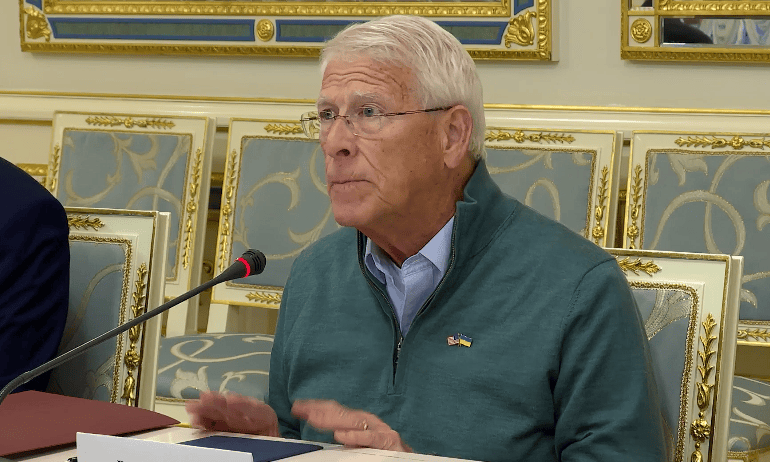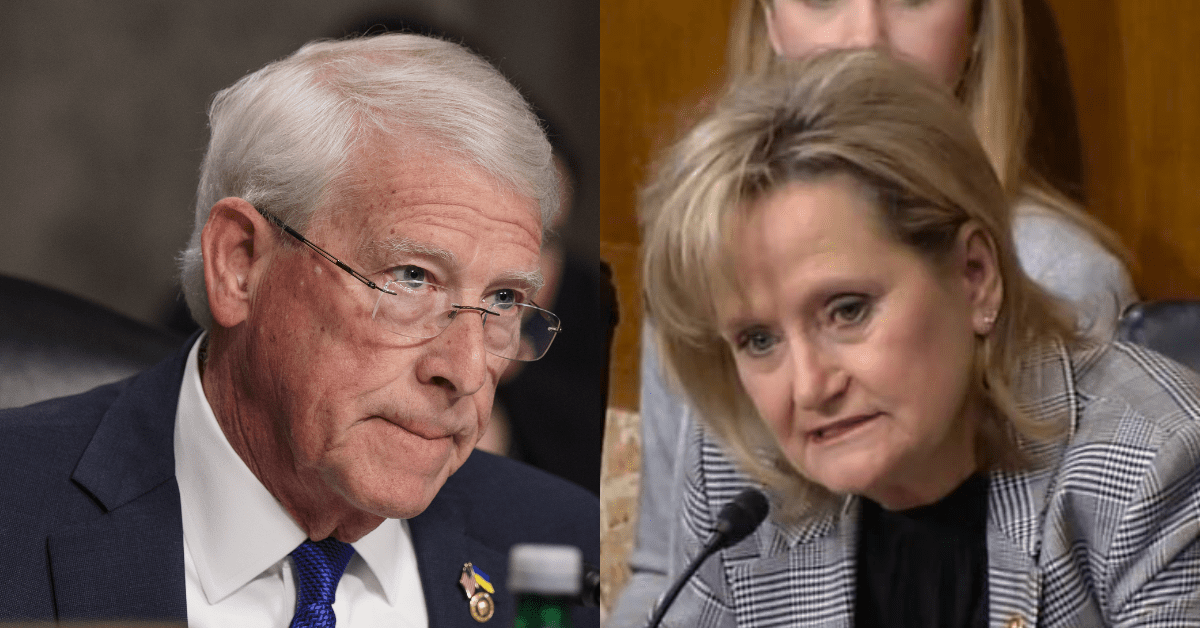
Sen. Roger Wicker and Sen. Cindy Hyde-Smith
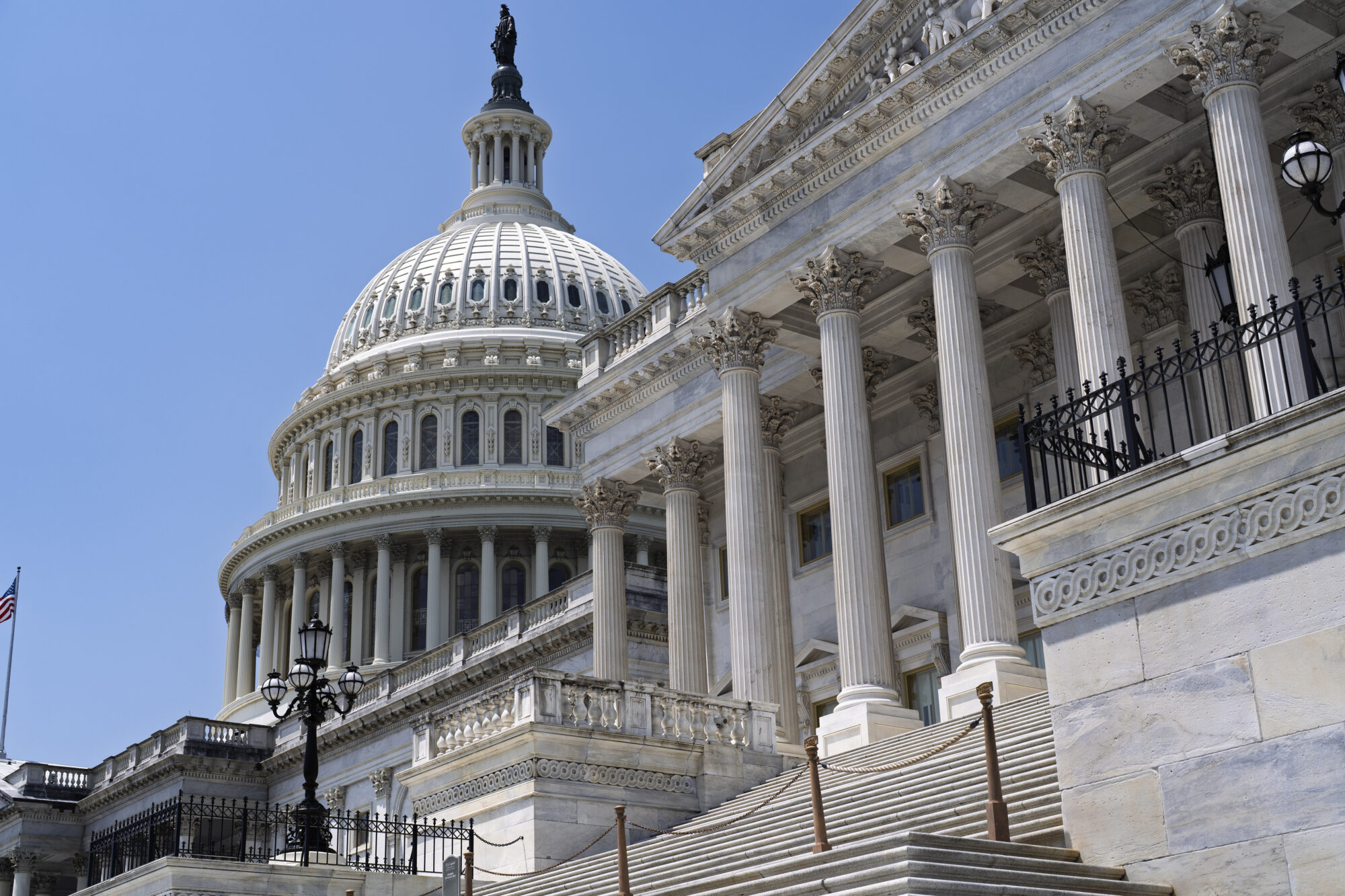
- The measure passed the U.S. Senate on Monday in a bipartisan vote. It now heads to the U.S. House where support is not a given and where members are on recess until after the November midterm election. President Trump has suggested that the Speaker could call the House back to take up the bill.
Mississippi’s two U.S. Senators were among the 77 in the chamber Monday night to vote to pass the Protect College Sports Act, a sweeping measure overhauling college athletics.
Both Senator Roger Wicker (R) and Senator Cindy Hyde-Smith (R) backed the legislation sponsored by Texas Senator Ted Cruz (R). Cruz has promoted the bill as protecting athletes, college athletics, and “a great American tradition for our kids and grandkids.”
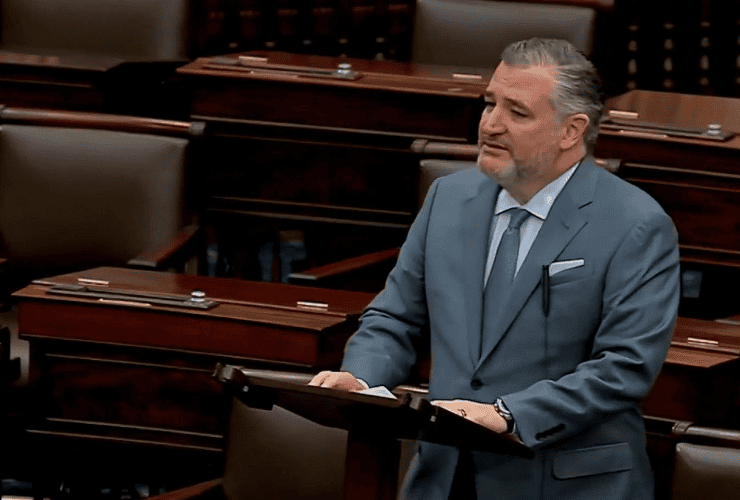
“This bill puts an end to the chaos plaguing college athletics,” said Cruz in a floor speech ahead of Monday’s vote. “The system we have today is not sustainable, plain and simple.”
When the dust settled, two Republicans – Senators Rand Paul of Kentucky and Rick Scott of Florida – voted against the bill, joining 19 Democrats, including Minority Leader Chuck Schumer of New York, and Independent Senator Bernie Sanders of Vermont.
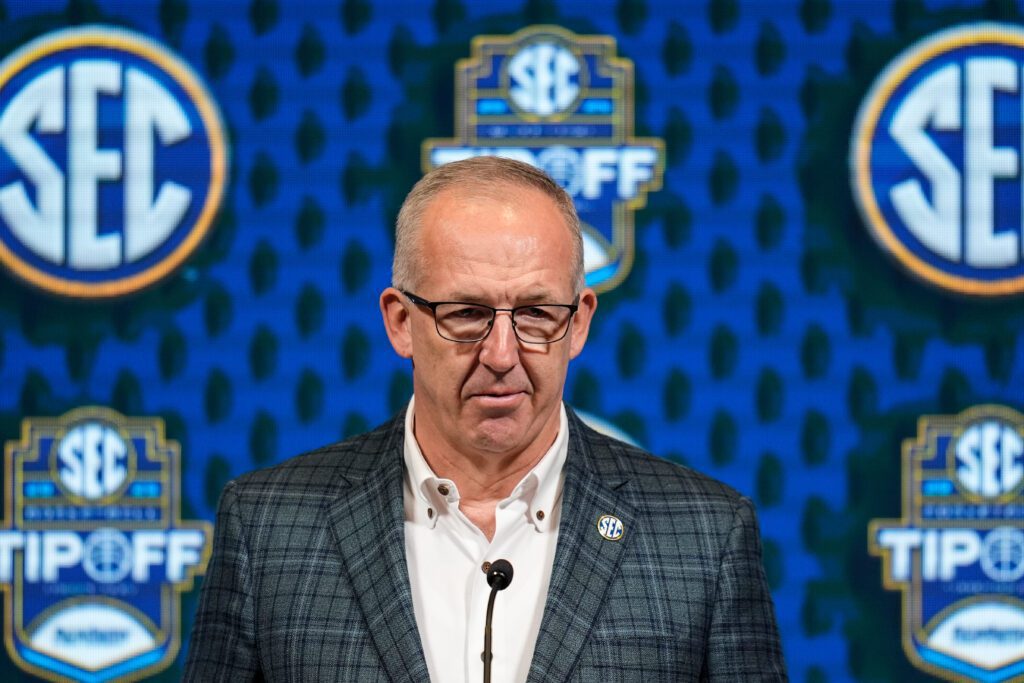
Praise for the bill’s passage rolled in from the conferences supporting the legislation, including the Southeastern Conference (SEC), of which Mississippi’s two biggest university athletic programs – Ole Miss and Mississippi State – are members.
“The bipartisan Senate passage of the Protect College Sports Act represents an important step toward establishing a clear and durable national framework for college athletics,” the SEC said. “We look forward to working with members of the House of Representatives to advance legislation that protects student-athletes, provides consistent national standards for universities and conferences, supports women’s and Olympic sports, and strengthens the long-term future of college athletics.
Other conferences have also supported the bill, such as the Sun Belt and SWAC. Southern Miss is a member of the Sun Belt while Mississippi’s HBCUs Jackson State, Alcorn State and Mississippi Valley State are members of the SWAC.
What’s in the Bill?
According to the Senate’s bill summary, the legislation would establish requirements for name, image, or likeness (NIL) agreements for college student athletes and provide a limited antitrust exemption for schools and conferences to pool and sell certain college sports media rights.
The bill statutorily prohibits institutions, conferences, or interstate intercollegiate athletic associations – the NCAA – from restricting student athletes from entering NIL agreements within specified limitations. Students would be required to report to their institution NIL compensation greater than $600.
Agents would be required to register with a state and agent endorsement contract fees would be capped at 5%.
The bill also provides student athletes with one transfer without losing athletic eligibility, a nod to reducing the transfer portal traffic that has plagued college athletics in the last few years as the NCAA has not enforced stricter guidelines.
One provision was reportedly borne out of Lane Kiffin’s sudden departure from Ole Miss amid their college football playoff run last season. The Senate passed measure would restrict football personnel from becoming the head football coach at a different institution during the same season.

In addition, the bill prohibits institutions, conferences, or specified entities acting for the benefit of an institution from providing athletes with compensation that circumvents the limit on sharing revenue with student athletes established under the House settlement. The bill also makes the limit permanent and provides for an annual inflation adjustment.
The legislation also generally prohibits Division I conferences from reducing the number of varsity or Olympic sports teams that a member institution must sponsor. Large institutions, those with $80 million or more in annual athletics revenue, must offer and maintain at least as many grant-in-aid opportunities and roster spots for sports that do not generate positive net revenue as the institution provided during academic year 2024-25. The bill provides for a waiver of this requirement under certain circumstances of financial hardship and the requirements expire nine years after the enactment of the bill.
A limited antitrust exemption, under specified conditions, in provided in the measure for institutions or conferences that form joint agreements to transfer their sports telecasting rights to a third party. Such an agreement requires participation from at least 75% of the institutions in the Football Bowl Subdivision.
Next Steps
The bill now heads to the U.S. House of Representatives, which is currently in recess with no announced plans to return until after the November 3 midterm election.
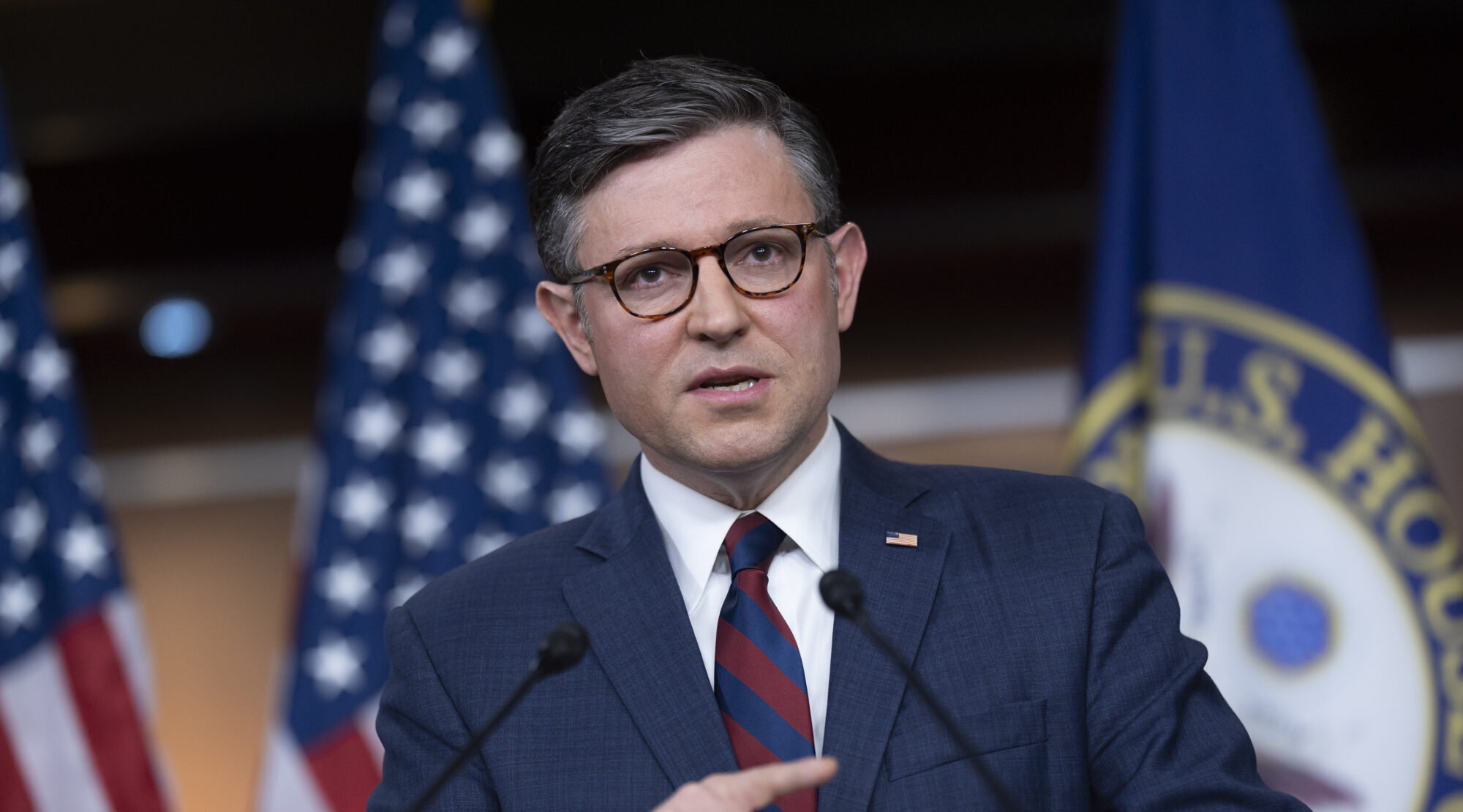
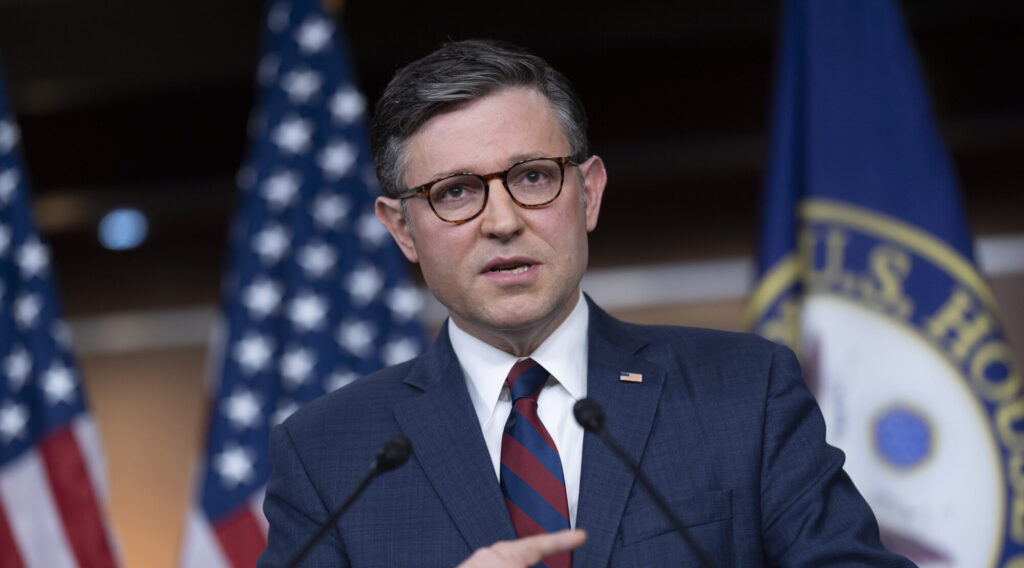
However, President Donald Trump (R) has voiced support for the legislation and suggested over the weekend that Speaker Mike Johnson (R) could call the House back into session to take it up.
Support in the House is not a given, as both Republican and Democrat members have expressed concerns with provisions in the bill they find questionable.
The Congressional Black Caucus has vocally opposed the legislation in the wake of the U.S. Supreme Court’s Callais v. Louisiana ruling that determined racial gerrymandering to be unconstitutional as it had been practiced under Section 2 of the Voting Rights Act. The decision raised the evidentiary bar for proving a violation of the Voting Rights Act, requiring proof of actual discriminatory intent in drawing voting districts.
The Black Caucus said in a statement in May that it would oppose the bill as it was “benefiting major athletic institutions that continue to remain silent while Black voting rights and Black political power are being systematically dismantled.”
Some Republicans, on the other hand, have questioned the need to insert Congress into college athletics while others have raised concerns over the possible unionization of college athletes.
While the bill does not provide for collective bargaining, it does establish a commission to study the issue and make recommendations.
Congressman Michael Baumgartner (R) of Washington, a proponent of the legislation, said in an X post Monday that “the bill will have a better than 50% chance in the House.”
Senator Cruz wrote on X later Monday night after the vote that after years of discussions and months of intense deliberations, “we achieved what many said was impossible and succeeded in getting the Protect College Sports Act through the Senate with a huge bipartisan vote.”
“I am proud of our success, and I trust the House of Representatives will remain focused on bringing stability to college sports by delivering the Protect College Sports Act to President Trump’s desk without delay,” Cruz said.