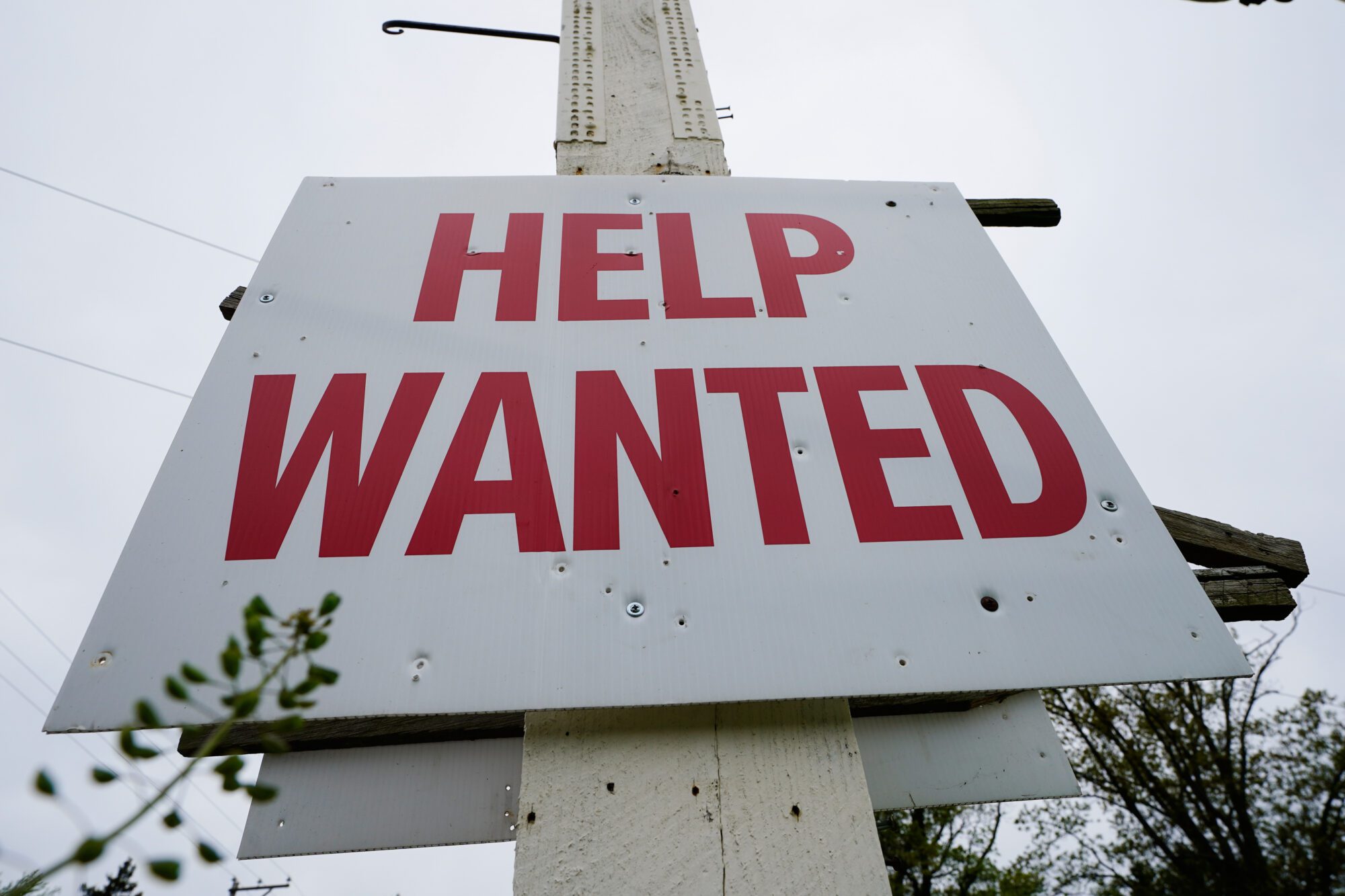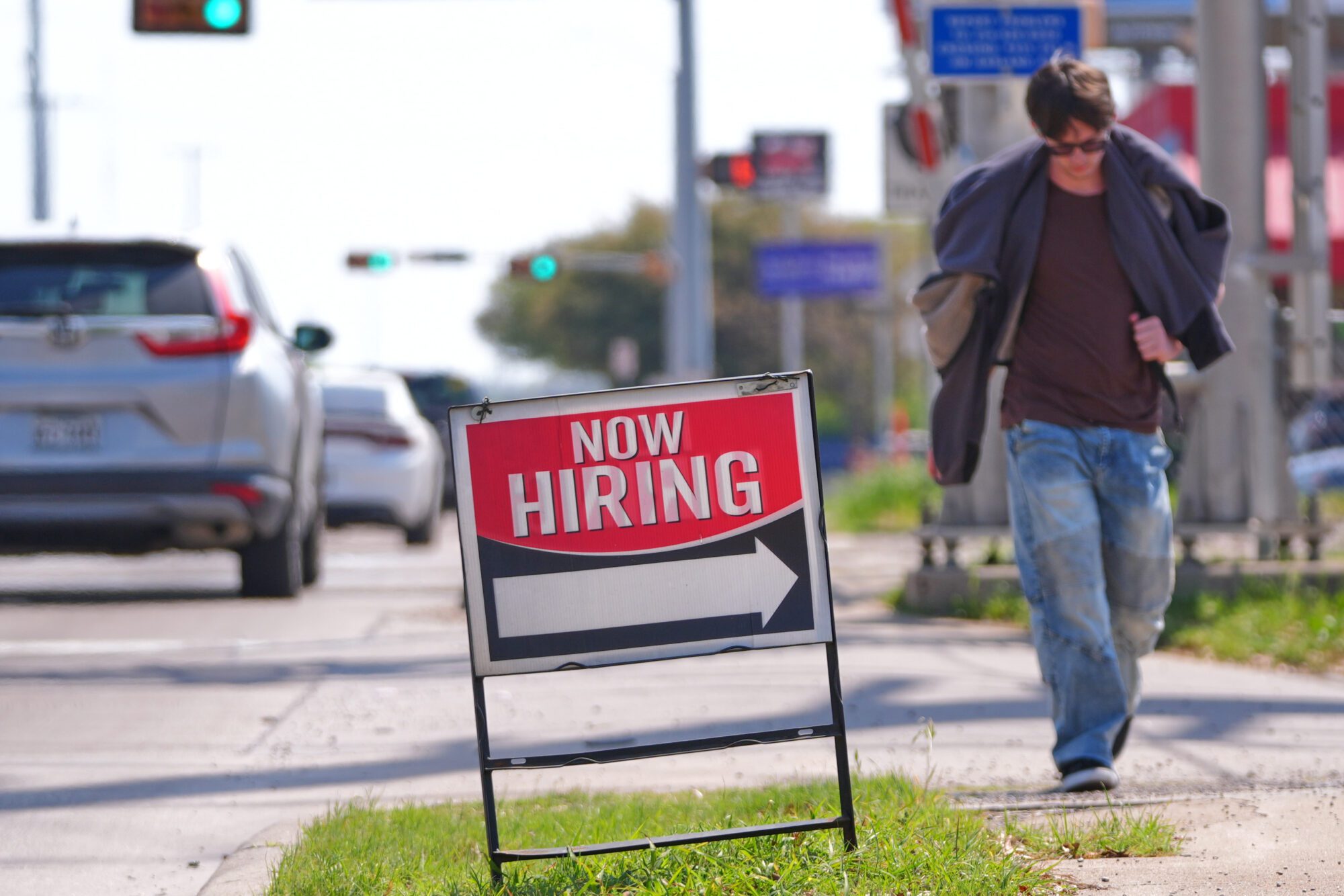
A now hiring sign sits on the side of the road in Garland, Texas, Monday, March 23, 2026. (AP Photo/LM Otero)
- Employers have been reluctant to let go of the staff they have, so most Americans enjoy unusual job security and unemployment is low.
WASHINGTON (AP) — The U.S. job market rebounded in August as employers added a surprising 162,000 jobs. The unemployment stayed at a low 4.1%.
Revisions added 55,000 jobs to June and July payrolls.
Hiring has been up and down this year, two months before midterm elections and at a time when voters are unhappy about the economy and the high cost of living in particular.
Companies are contending with a shortage of workers — the result of President Donald Trump’s immigration crackdown and the retirement of baby boomers — and some are responding by using technology for tasks that human beings used to do.
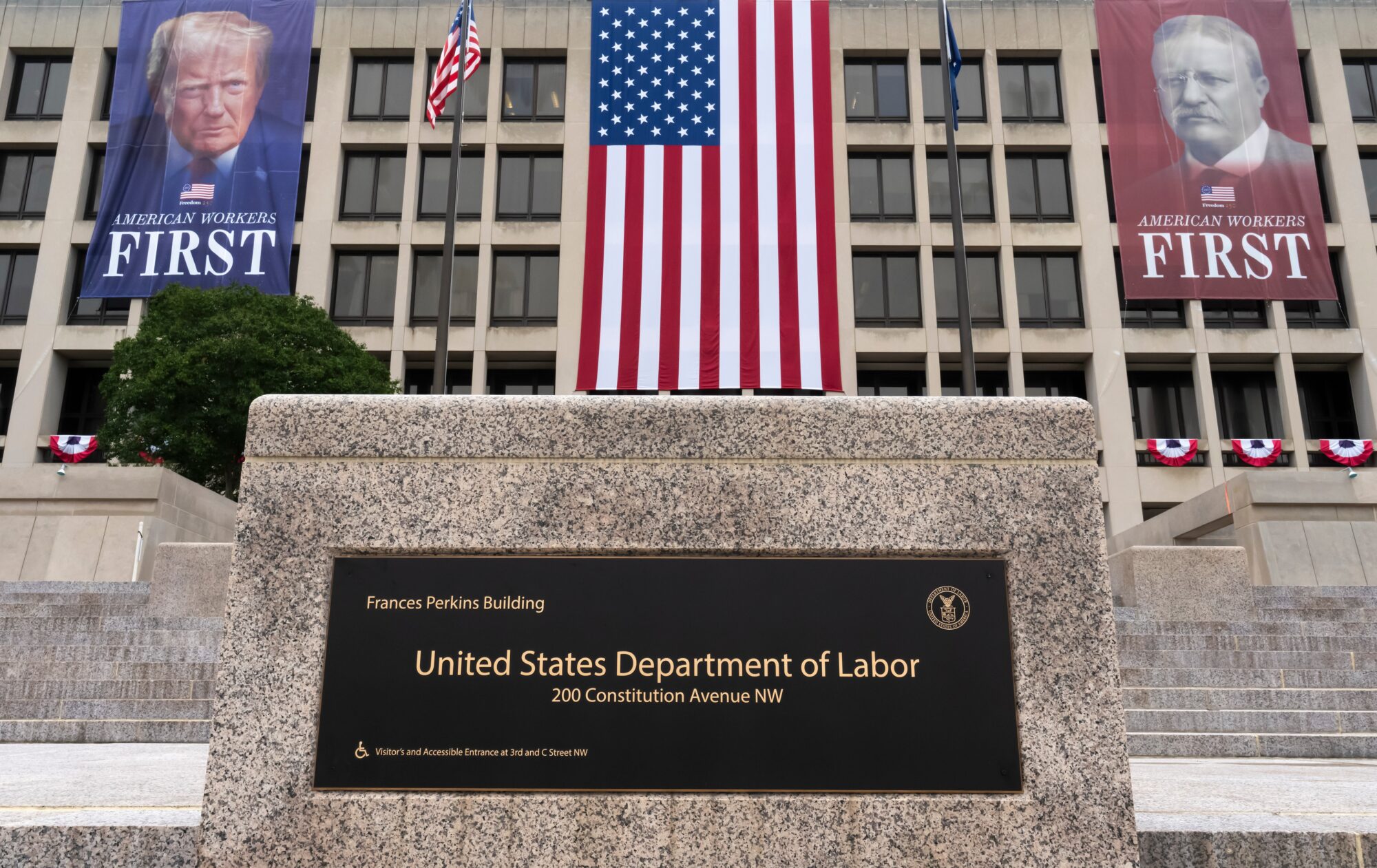
Employers haven’t been eager to take on new workers. The Labor Department reported Tuesday that gross hiring — before subtracting people who lost or left their jobs — fell 5% to fewer than 5.1 million new jobs.
In July, companies, government agencies and nonprofits together cut 23,000 jobs. So far this year, employers are adding 61,000 jobs a month, up from the 9,700 they averaged last year — the weakest hiring outside a recession since 2002. The lingering effects of high interest rates and Trump’s erratic trade policies discouraged companies from hiring in 2025.
Even though it’s rebounded from a bleak 2025, hiring this year remains well below the 166,000 monthly jobs created, on average, in 2023 and 2024, let alone the 491,000 a month recorded during the 2021-2022 hiring boom that followed pandemic lockdowns.
But the United States doesn’t need as many jobs as it did until recently to keep the national unemployment rate from rising. Trump’s immigration crackdown and baby boomer retirements mean fewer people are competing for work. More than 1.3 million people have dropped out of the U.S. labor force over the past year.
As a result, the “break-even’’ rate of monthly hiring, 155,000 in 2023-2024, has dropped, perhaps to nearly zero, according to a Federal Reserve study.
The Trump administration’s decision to withdraw work authorization for 330,000 Haitian and Syrian immigrants on July 27 is likely to worsen labor shortages, especially for specific workers such as caregivers. But the Haitians and Syrians won’t show up in the official unemployment rolls because they aren’t allowed to look for work and therefore can’t be counted among the jobless.
Instead of looking to hire from a diminished pool of available workers, “businesses are increasingly focused on boosting efficiency through technology and AI and increasingly seek to do more with their existing workforce,’’ EY-Parthenon economists Gregory Daco and Lydia Boussour wrote in a commentary this week.
Still, even if they aren’t hiring aggressively, companies are reluctant to let go of the staff they have. They retain memories of the unexpected labor shortages that followed the end of COVID-19 lockdowns.
So unemployment remains low. For the past year, the number of people applying each for unemployment benefits – a proxy for layoffs — has stayed in a historically low range of around 200,000 to 230,000.
The result is what economists call a “no-hire, no-fire″ labor market in which those who have work enjoy job security, but times are tough for young workers trying to land entry-level jobs or unemployed people seeking to get back to work.
Wage gains last month were likely modest – bad news for families already struggling to keep up with the high cost of living. EY-Parthenon’s Daco and Boussour expect average hourly wages rose just 3% last year from a year earlier, the weakest year-over-year gain since May 2021 when the economy was paralyzed by the pandemic.