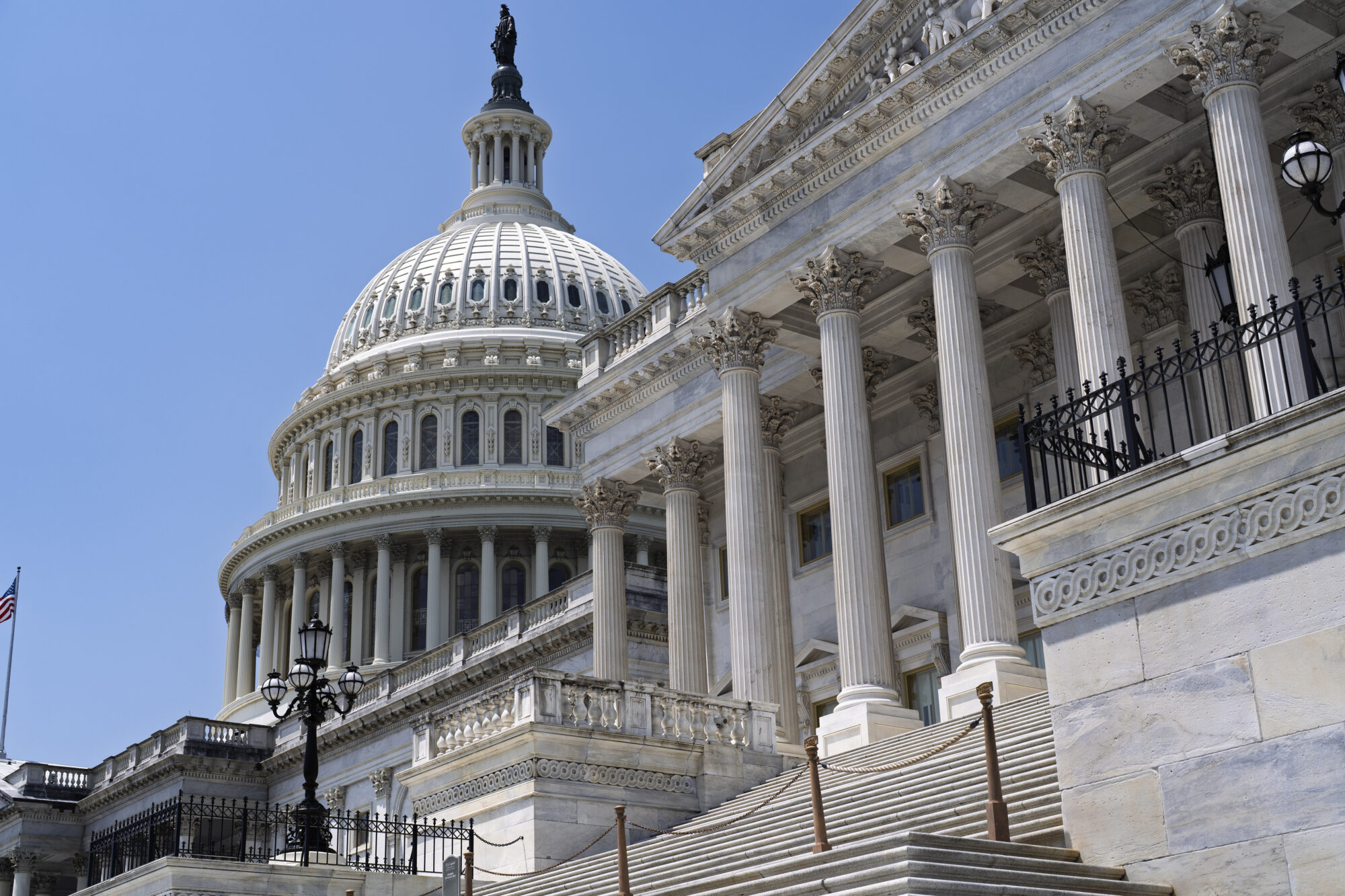
(Photo from Shutterstock)
- The legislation is the first comprehensive housing affordability measure approved by Congress in decades.
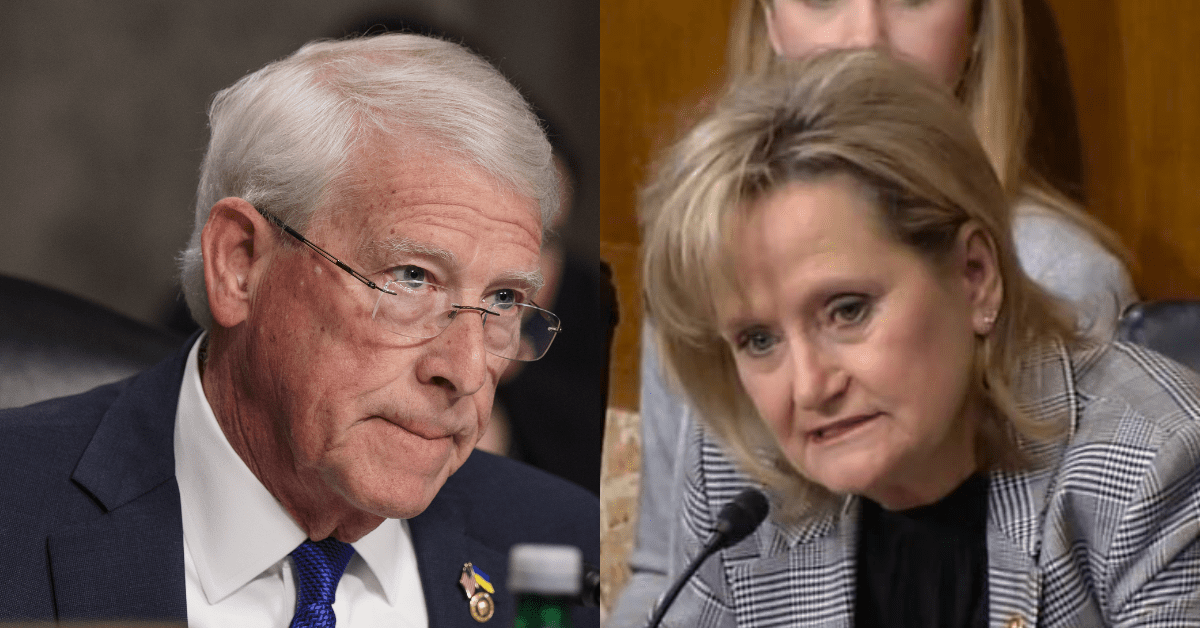
Mississippi’s full congressional delegation supported the 21st Century ROAD (Renewing Opportunity in the American Dream) to Housing Act on its final passage in late June.
The legislation is the first comprehensive housing affordability measure approved by Congress in decades.
The bipartisan measure became law over the weekend without President Donald Trump’s signature. He refused to sign it over his want of Congress to enact the SAVE America Act aimed at imposing a national Voter ID requirement.
“I will not sign the Housing Bill, which has been fully approved by Congress and sent to the White House, in PROTEST over the fact that the United States Senate is not capable of passing THE SAVE AMERICA ACT,” Trump wrote on TruthSocial.
With Congress still in session, and with no veto by the President, the bill became law after 10 days.
Included in the measure, however, is a priority President Trump has previously expressed support of, that being placing limits on large investors that buy up single-family homes.
Even though Trump did not sign the bill into law, U.S. Senator Cindy Hyde-Smith (R) commended President Trump as well as HUD Secretary Scott Turner for making the affordable housing issue a priority. The Trump White House had signaled support of the bill early on. Hyde-Smith also thanked her colleague, Banking Committee Chairman U.S. Senator Tim Scott (R), for getting the bill across the finish line.
The legislative summary of the bill notes that the measure revises federal housing programs by expanding available financing for affordable housing and providing grants for planning and community development activities. The bill increases the statutory maximum loan limits for mortgage insurance programs administered by the Federal Housing Administration for multifamily homes and requires the use of a more specific inflation index for such loans.
The measure also increases the maximum eligible income for the Department of Housing and Urban Development’s HOME Investment Partnerships Program, which provides grants to states and localities to support housing for low-income households, and establishes a grant program to assist regional, state, and local entities with strategies to support affordable housing.
Other provisions in the bill include exempting certain housing-related activities from the environmental review process, excluding veterans’ disability benefits from being considered as income for purposes of determining eligibility for the Veterans Affairs Supportive Housing (VASH) program, and eliminating the requirement that manufactured homes must be constructed with a permanent chassis.

Senate Hyde-Smith pointed out further provisions in the measure that she sees as important to Mississippi. Those include:
- A three-year reauthorization of the Community Development Block Grant–Disaster Recovery (CDBG-DR) program and establishes the HUD Office of Disaster Management and Resiliency to administer the program.
- A two-year phase-in pilot program for de novo financial institutions that meet federal requirements to encourage the formation of new banks in underserved and rural areas
- Allows HUD to give added weight to applicants serving areas located in, or primarily serving, designated Opportunity Zones to support housing preservation and construction. There are 100 designated Opportunity Zones in Mississippi.
- Allows HUD to review the performance of housing counseling agencies and counselors to ensure counselors are providing the best information to counsel consumers on seeking, financing, maintaining, renting, or owning a home.
“The 21st Century ROAD to Housing Act represents a bipartisan recognition that government should be a helping hand, not a hindrance, as it too often has been in addressing affordable housing needs in Mississippi and across this great nation,” Senator Hyde-Smith said. “This new law takes meaningful steps to increase housing supply by cutting unnecessary regulations, attacking waste, fraud, and abuse in federal housing programs, and providing incentives to invest in affordable housing.”