Mississippi moves up to 48th in national health rankings
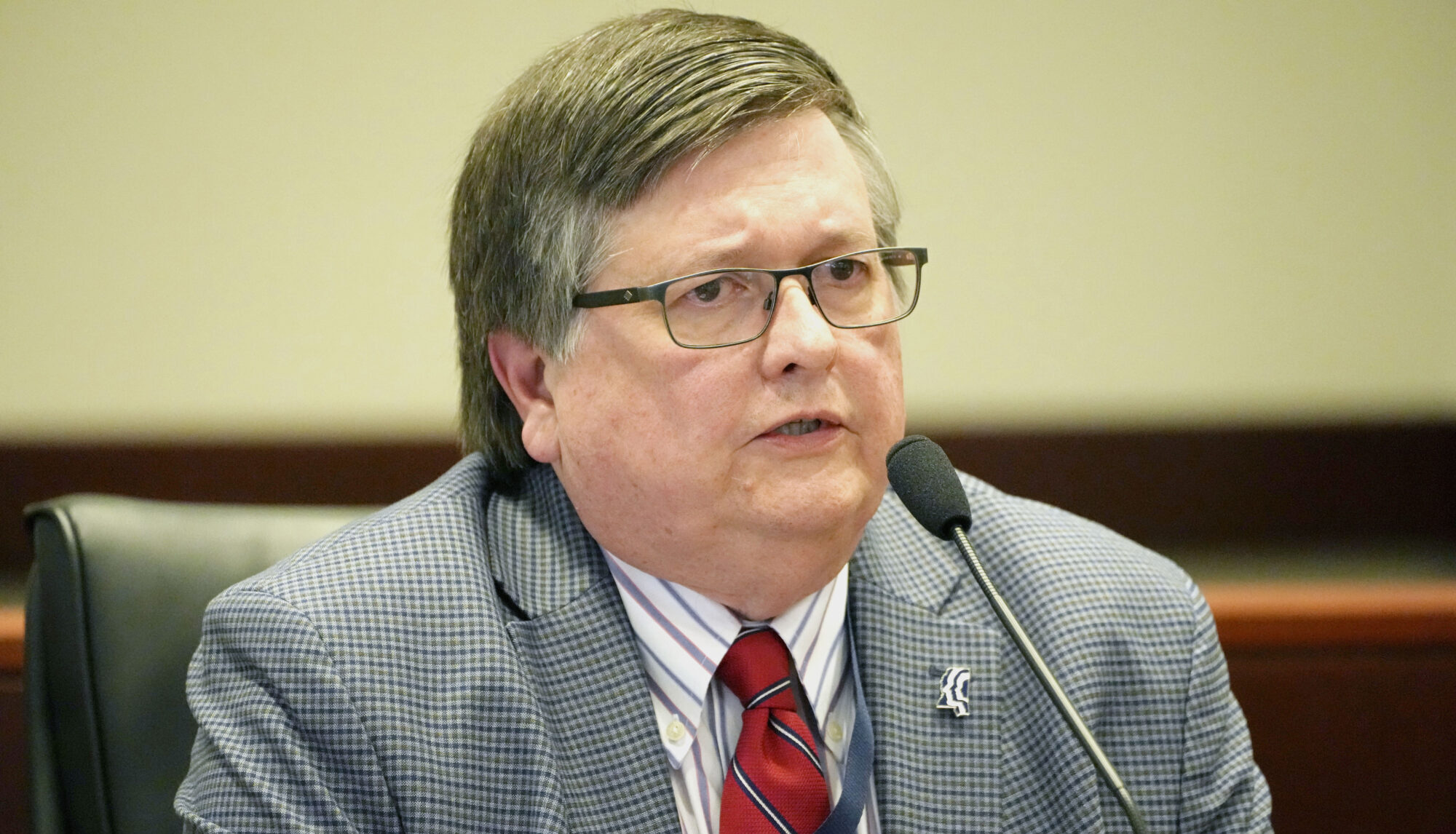
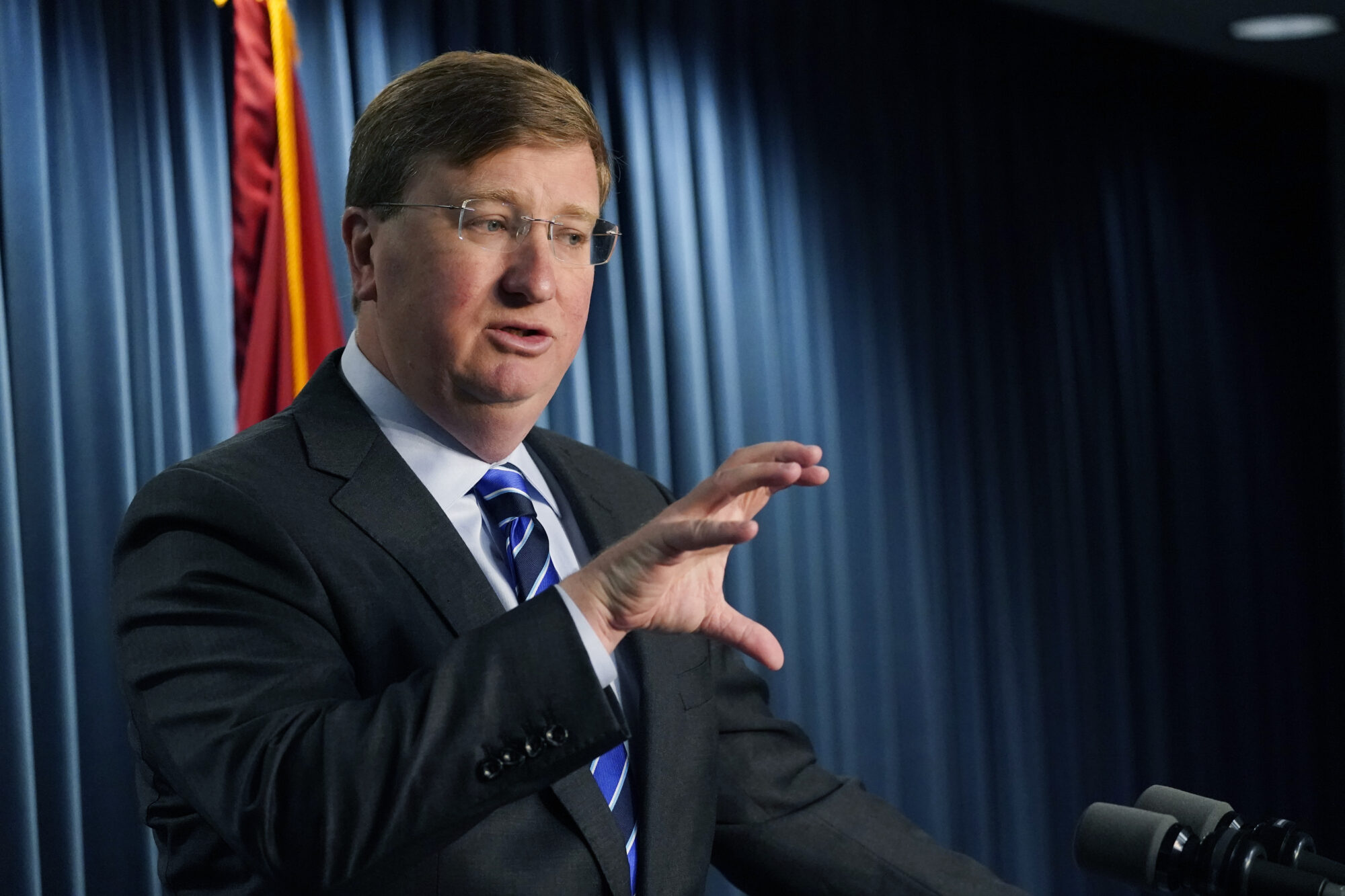
Mississippi State Health Officer Dr. Daniel Edney, addresses members of the Mississippi Joint Legislative Budget Committee during his budget presentation for the state Department of Health, Friday, Sept. 29, 2023, in Jackson, Miss. (AP Photo/Rogelio V. Solis)
- “I told y’all before, I’ve never been so proud of being 49th,” State Health Officer Dr. Daniel Edney told the State Board of Health of Mississippi moving up from 50th in the U.S. “And I’m sure mighty proud of being 48th, but we’re 48th and rising.”
The Mississippi State Board of Health recently received an update on the Magnolia State’s newest national health ranking as well as spending within the rural water program under ARPA and an ongoing advertising campaign aimed at raising infant mortality awareness.
Improved health ranking
Mississippi State Health Officer Dr. Daniel Edney reported to the State Board of Health that the state’s national health ranking has improved from 49th to 48th.
Edney said that this is the second time in three years Mississippi’s national health ranking rose, increasing to 49th in 2024 and then to 48th this January. The newest rankings came in a week after the Board’s January meeting.
“I told y’all before, I’ve never been so proud of being 49th and I’m sure mighty proud of being 48th, but we’re 48th and rising,” Edney said, after describing how the state had been ranked dead last in the nation for the prior four decades.
The areas of progress noted by Edney were in longer lifespans and reductions in maternal deaths.
“But now, we got to make progress with maternal morbidity and as we make progress with infant mortality, that just means more Mississippians are living longer, having healthier lives, and are able to contribute to the health of our community and economy in a robust fashion,” Edney said.
Rural water fund spending
It is anticipated that about $100 million in American Rescue Plan Act (ARPA) funding for the Rural Water Associations Infrastructure Grant Program funds will go unspent, resulting in that money being reallocated to another department.
ARPA funding was created in 2021 in response to issues created by the closures and other negative impacts associated with the COVID-19 pandemic. ARPA had two rounds of federal funding. Under the second round, the state received $300 million for ARPA Rural and that funding had to be allocated by 2024. All of the funding must be spent by the end of 2026.
“We’re approaching $300 million but there’s probably $100 million that’s not going to be spent in time, and I believe it gets diverted to [the Mississippi Department of Transportstion],” Edney explained.
He added the issue with spending is not on the processing side, but that there have been supply chain issues affecting the amount of work being done.
“I know a lot of associations pivoted away from new water sources because they just couldn’t get the wells drilled,” Edney said. “So they pivoted into projects that they could spend and we’ll continue to do that for the short time that we have.”
Board member James Perry expressed his discontent with not being able to utilize all of the funding for rural water projects, especially since there are “demonstrated water infrastructure needs,” a fact the Legislature agreed ARPA funding could address.
“It’s a shame that $100 million of money that could go to rural water that will not happen,” Perry said.
In light of the missed opportunity, he suggested creating an after action report to denote lessons learned that can be avoided in the future.
Infant mortality campaign
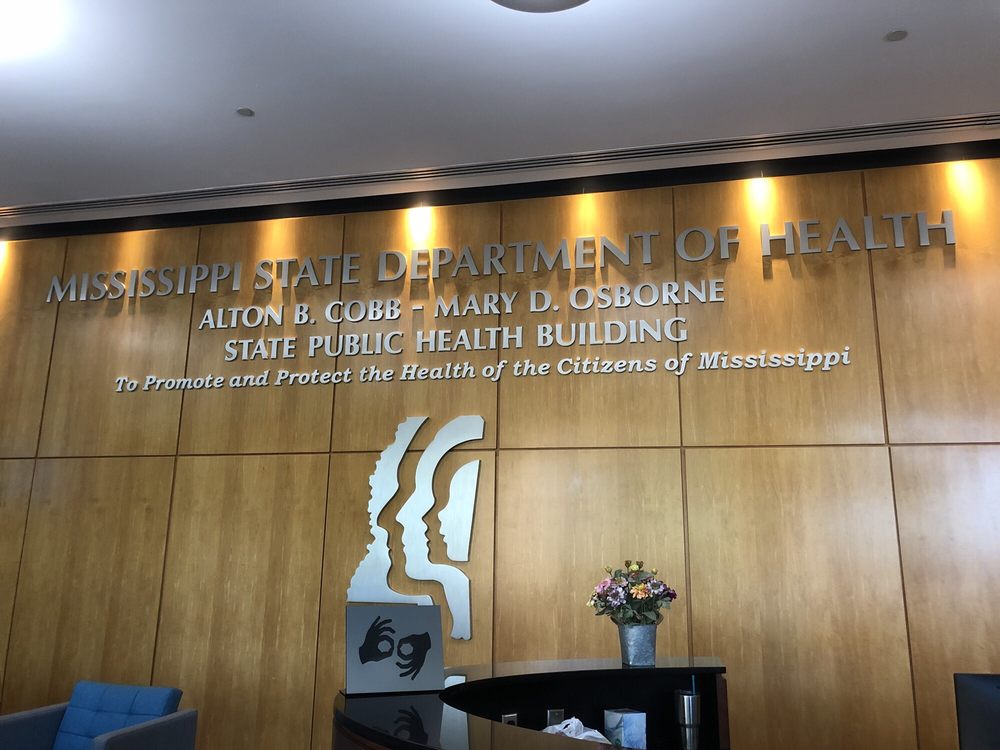
Residents in Mississippi may have noticed a statewide advertising campaign aimed at promoting the importance of regular doctor visits for those who are expecting or who are considering pregnancy. The ads can be found online via websites and videos, in newspapers, and even on outdoor billboards along Mississippi’s roadways, Lauren Hegwood, Director of Communications for the Mississippi State Department of Health told the Board.
MSDH’s infant mortality campaign promotes regular doctor visits and urges parents to avoid risky behaviors such as vaping in an effort to move Mississippi out of its current leading position in preterm births.
Hegwood said the state currently has a preterm birth rate of 15%, well above the national average of 10.4%. She added that the state’s infant mortality rate stands at three times the national average at more than 5,000 deaths.
“Many infant deaths are preventable, which lead to healthier pregnancies, which lead to healthier babies,” Hegwood said.
The campaign is aimed at young parents, grandparents, and potential parents.

Jeremy Pittari