Miss. Dept. of Health outlines upcoming fiscal year budget
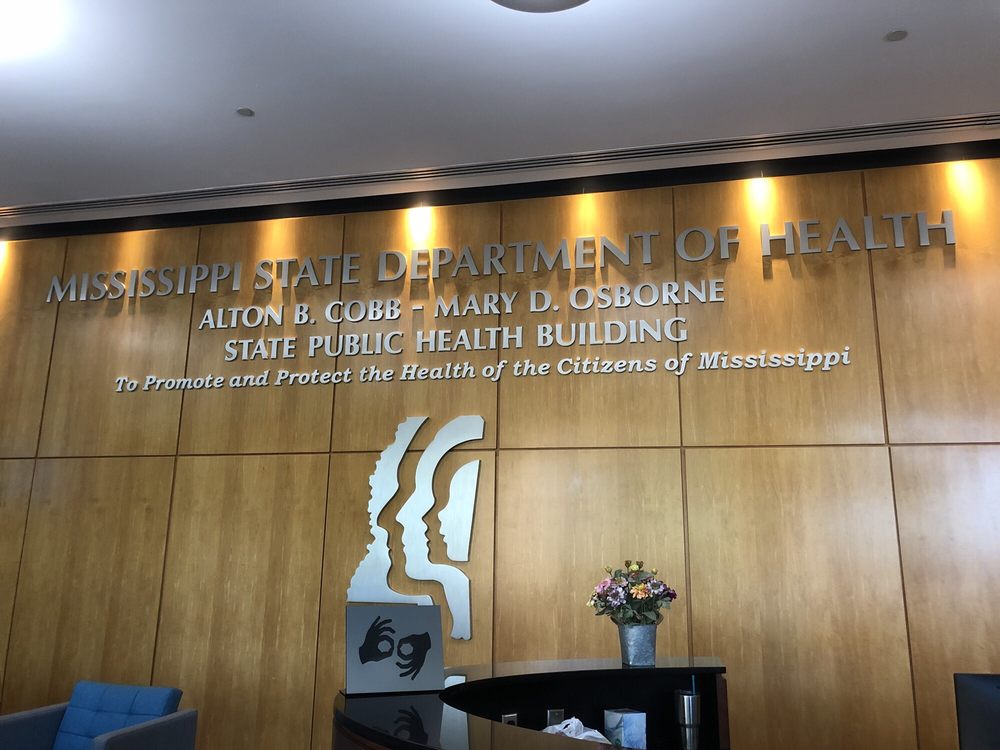
- State Health Officer Dr. Daniel Edney said in the two years prior, the Legislature provided an increase. He expressed his appreciation in the agency receiving receive level funding in the coming fiscal year.
Lecreta Tribune, chief financial officer for the Mississippi Department of Health, provided the Mississippi State Board of Health with an update on the funding provided by the Legislature this week.
For the most part, outside of a $600,000 increase, the department’s budget for the coming fiscal year remained level compared to the previous year.
State Health Officer Dr. Daniel Edney added that in the two years prior, the Legislature provided an increase, saying he is appreciative to receive level funding in the coming fiscal year.
Tribune’s presentation showed $27 million was budgeted for agency operations for core public health, $33.4 million will be sent to agency programs, $13 million is going towards the trauma care program, and $27.7 million will be used for “other purposes.”
Edney said the first two “buckets” of funding listed are used by the Department of Health to run the agency. Trauma funding is mostly pass-through funding, and the remaining bucket of funds is used to run health programs. Jackson water settlement funds will also carry over from the previous year for capital expenses.
Another $4.5 million in Opioid Settlement funds will be used for a substance use disorder program. Dr. Edney said that funding will provide free access to care and medications for opioid use disorders through county health departments.
“That’s going to help us expand that work and augment our staffing, expand our medication options,” Edney explained.
State appropriations for the medical cannabis program also remained at level funding.
Part of the reason the department did not request budget increases this session was due to increases on fees that previously went unadjusted for years. Edney said fee changes freed up about $8 million that can now be used more responsibly elsewhere.
“I just don’t think that we need to be using state taxpayer money to regulate for-profit entities. The fees should take care of that,” Edney added.
To that end, he believes fee increases should be considered every three years, instead of every ten, to keep the agency’s budget in line.

Jeremy Pittari