- Only 9 of the Gulf Coast Restoration Fund Advisory Board’s 15 recommended projects made the final list of 19 approved by lawmakers. See what made the cut.
Lawmakers have agreed on $41.1 million in spending from the Gulf Coast Restoration Fund. The funds are part of the BP Oil Spill settlement received by the state of Mississippi.
Started in September 2018, the Mississippi Gulf Coast Restoration Fund has provided funding to businesses and organizations looking to bring increased economic activity to the Gulf Coast region. Eligible applicants include, but are not limited to, local governments, nongovernmental organizations, higher education institutions, community colleges, ports, airports, public-private partnerships, private for-profit entities, private nonprofit entities and local economic development entities.
The Gulf Coast Restoration Fund Advisory Board had recommended that the Mississippi Legislature fund $69 million for 15 projects this session along with placing $7 million in a Regional Research & Development Revolving Loan Fund. The Advisory Board narrowed down and reviewed 89 submitted projects which totaled more than $383 million prior to recommending the top 15.
The Advisory Board recommendations were sent to the Mississippi Development Authority ahead of the December 1 deadline for consideration in the 2026 legislative session.
READ MORE: Gulf Coast Restoration Fund Advisory Board recommends $62 million in coastal projects, $7 million for a revolving loan fund
However, when the dust settled, only 9 of the Advisory Board’s recommendations made the final cut with lawmakers.
The final list of projects passed in SB 3071 are:
- City of Moss Point – Highway 63/Escatawpa Natural Gas Pipeline Installation – $2.8 million
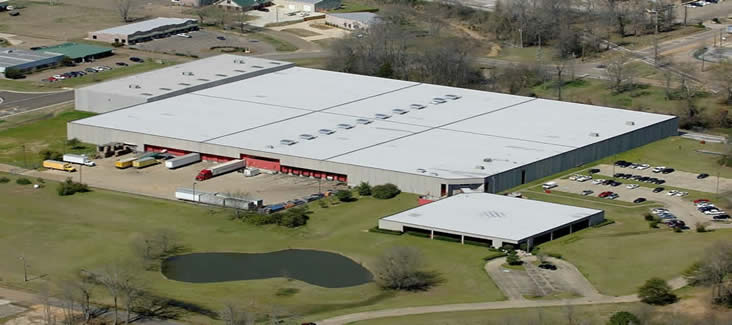
- Pearl River County Board of Supervisors – Pearl River County Industrial Park Speculative Building – $4 million
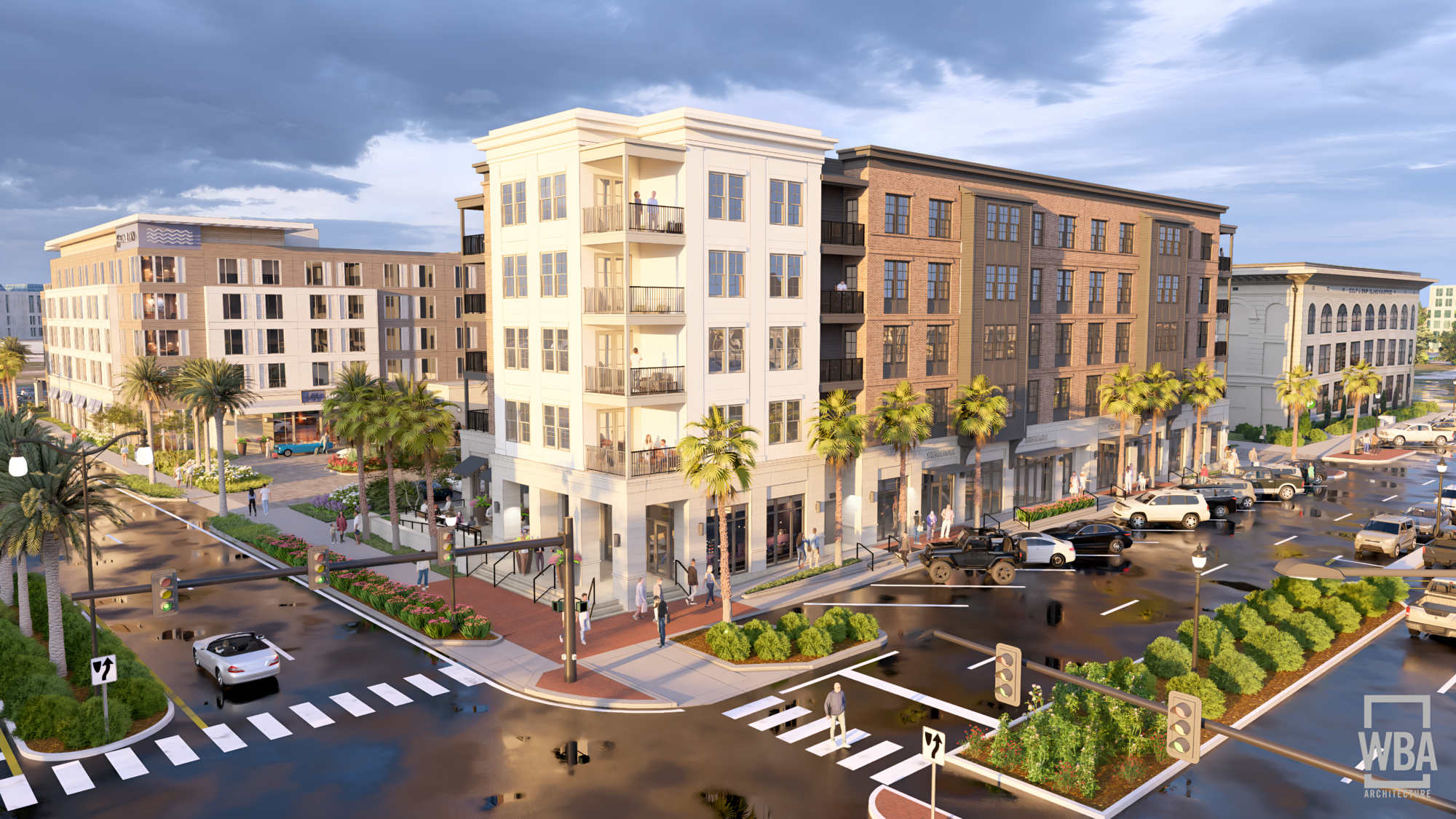
- City of Diamondhead – Commercial District Transformation Phase IV – $2 million
- City of Ocean Springs – Public Works Redevelopment and Relocation Phase I and II – $1.5 million
- City of Lucedale – Cowart Street Improvements – $1.764 million
- George County Board of Supervisors – Industrial Park Water System Expansion Project – $1.029 million
- LaPointe-Krebs Foundation in Pascagoula – Development of a new LaPointe-Krebs Interpretive Center – $900,000
- Lucedale-George County Historical Society – Lucedale-George County History Museum – $150,000
- Mississippi Gulf Coast Coliseum – Coliseum Expansion – $5.476 million
- Jackson County Economic Development Foundation – Bollinger Shipyard Bulkhead Rehabilitation – $5 million
- Memorial Hospital Foundation – Memorial Multispecialty Center Construction – $3 million
- Stone County Board of Supervisors – Inda Industrial Park Land/Sewer Project – $2.548 million
- City of Waveland – Waterfront Improvements – $750,000
- Harrison County Sheriff’s Department – Law Enforcement Training Academy Improvements Phase II – $3.5 million
- Singing River Health System – Healthcare Academy Expansion Initiative Phase II – $675,000
- Long Beach Harbor – Long Beach Harbor Complex Restoration – $1.5 million
- Hancock County Port and Harbor Commission – Stennis International Airport Site 1 Hangar Development – $2 million
- William Carey University – Tradition Campus Student Housing – $2 million
- Mississippi Songwriters Alliance in Gautier – Design of Exhibits and Improvements to the Mississippi Songwriters Performing Arts Center – $1 million
Nearly half of the funding this year from the Gulf Coast Restoration Fund will go to projects not recommended by the Advisory Board.
The State Auditor’s Office released a report earlier this month showing 62% of GCRF funds awarded by the Legislature has gone to projects without the recommendation of the Advisory Board or the Mississippi Development Authority.
“These projects should be high-impact and have clear performance metrics attached. My concern is that, under the legislature’s current method for selecting projects, politicians may fund projects that don’t meet those criteria,” Auditor Shad White (R) said.
White went on to say that while MDA can recommend certain projects be funded, the Legislature still has the legal power to ignore their recommendations and spend money on what they want.
“I worry that, in the future, projects may be funded just because a politician likes the project, not because the project is well-designed and meets a vital need,” White added.

Frank Corder