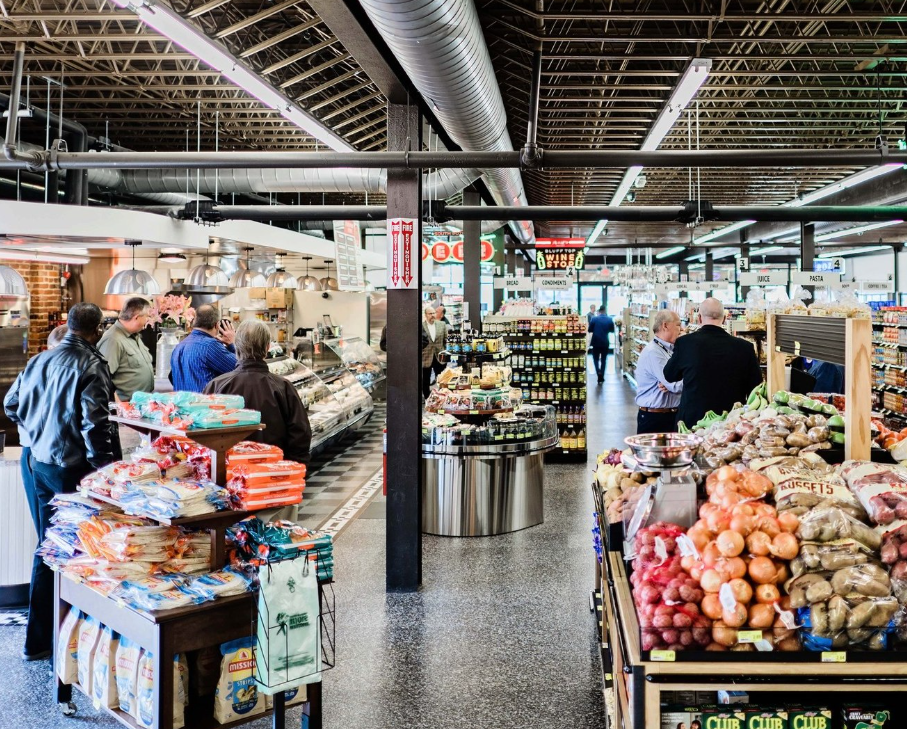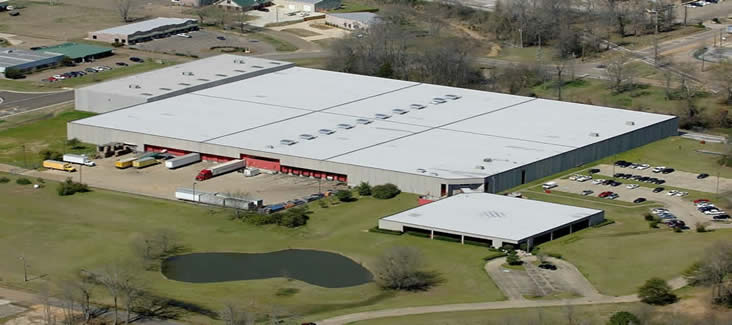
Current Mississippi ABC warehouse in operation since 1983. A new facility is being constructed and is set to be completed by August 2026. (Photo from MS DOR)
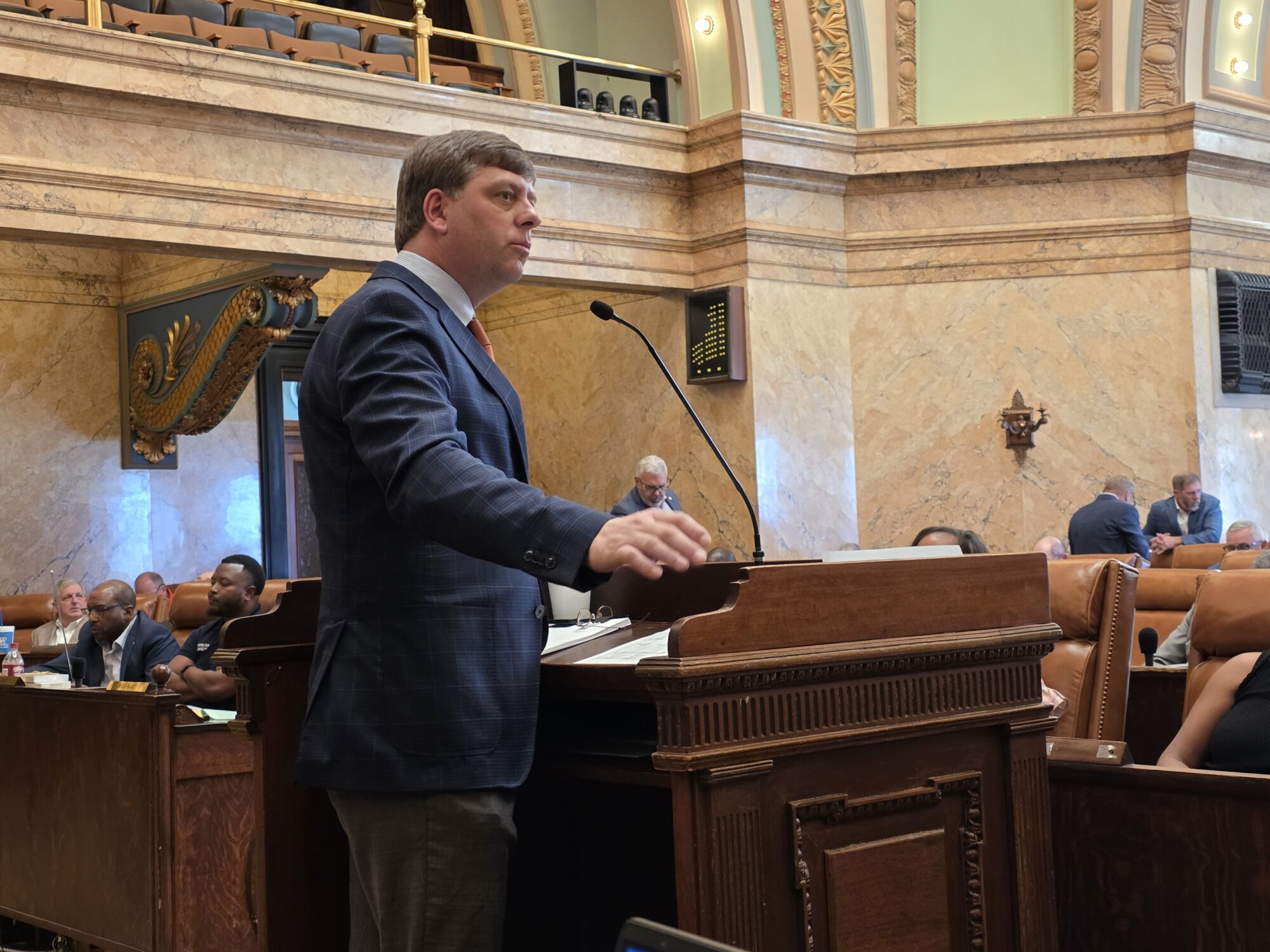
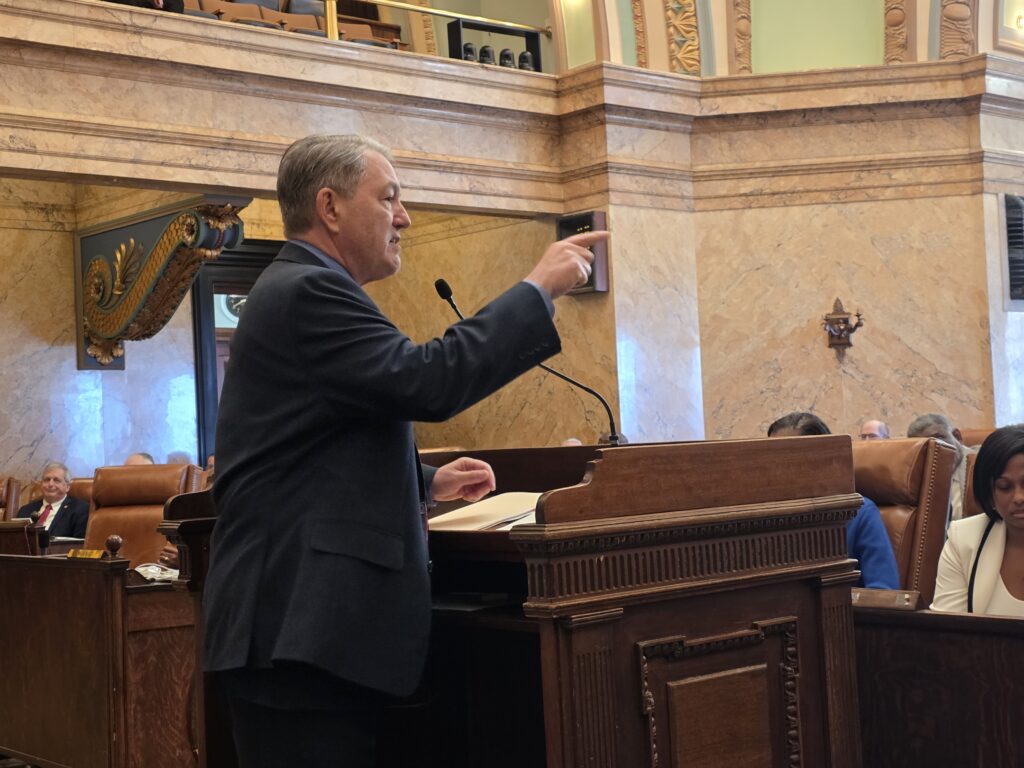
- “It’s a crying shame the Senate did not even come up with a proposal but decided to wait and cross their fingers hoping everything will work out,” State Rep. Hank Zuber said Tuesday morning.
Efforts proposed by the Mississippi House to temporarily allow liquor stores, restaurants and casinos to bypass the state’s backlogged Alcoholic Beverage Control have died in conference.
Package stores and other businesses that sell liquor and spirits are suffering from lack of product due to software issues with the ABC warehouse’s conveyor belt system as well as the construction of a new warehouse. Some businesses have even taken steps to sue the state over the backlog and loss of product.
State Rep. Hank Zuber (R), who authored an amendment to a Senate bill to provide relief, sought to allow liquor and spirits to be purchased by licensed entities from sources other than ABC for up to two years. He proposed that timeframe to “get us past the installation, the commencement of the new warehouse and give everybody time to catchup and take care of this backlog.”
The “Emergency Alcohol Distribution Act” would have allowed any licensed business with an alcohol permit to purchase their stock from any willing provider of alcohol if ABC cannot deliver their order in a timely manner, a window within five days.
On Tuesday, Zuber expressed his frustration that the measure died in conference, telling Magnolia Tribune, “It’s a crying shame the Senate did not even come up with a proposal but decided to wait and cross their fingers hoping everything will work out.”
“We have restaurants that have no inventory and we have package stores that will be lucky to make it through this debacle,” Zuber said. “We shall see!”
The measure passed the House 112 to 2 before the Senate declined to concur and invited conference.
Other Alcohol-Related Legislation
In other alcohol-related news in the Mississippi Legislature, the following bills have died this session:
Similar to the direct shipping of wine that was passed in the 2025 session, HB 669 would have allowed for the direct shipping of distilled spirits to Mississippi residents’ homes if the state’s Alcohol Beverage Control warehouse did not carry the product.
The House bill died in conference.
HB 670 would have allowed a package retailer to have a second permit, for a total of two permits, if the additional permit was issued for a premises located in a municipality that had a population of 35,000 or more. The second location was to be 75 miles or more from the retailer’s first permitted location.
The House bill died in the Senate Finance Committee.
HB 672 would have allowed Sunday sales of alcohol at package retailers. Local governing authorities at the county and municipal level would have been required to pass an ordinance allowing the Sunday sales. Hours for Sunday sales were to be restricted from 1 p.m. to 6 p.m., and Christmas Day sales would have remained prohibited.
The House bill died in the Senate Finance Committee.
Removing Prohibition
Another bill, HB 671, made it to conference but has since been recommitted by the Senate. That measure would remove the prohibition of alcohol from state law.
“From and after January 1, 2027, the policy of this state is declared to be a renunciation of prohibition in favor of the legal manufacture, sale, distribution, and transportation of alcoholic beverages in this state, except in such counties that vote to institute prohibition after holding an election on the matter,” the legislation outlines.
It is unclear if the Senate will come back and adopt the agreed upon conference report with the House.

Frank Corder