(Photo from Shutterstock)
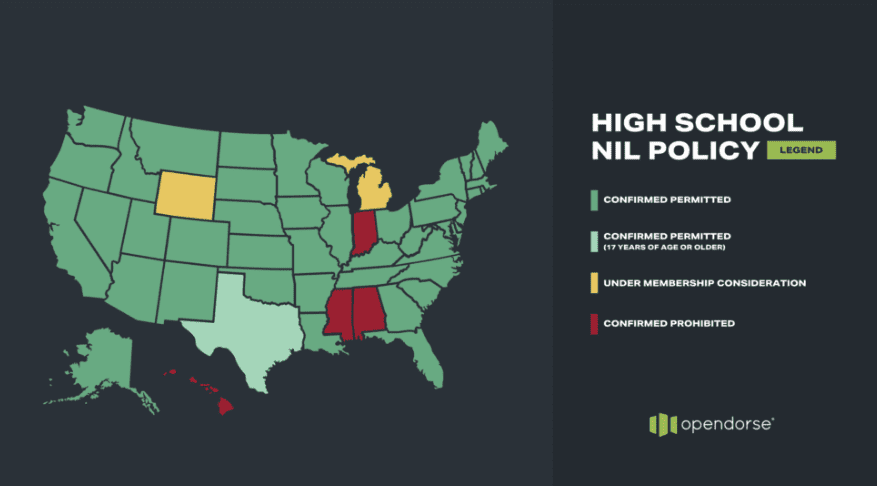
- The vast majority of states across the U.S. now allow some form of high school NIL. Mississippi is among the four that have thus far prohibited the practice.
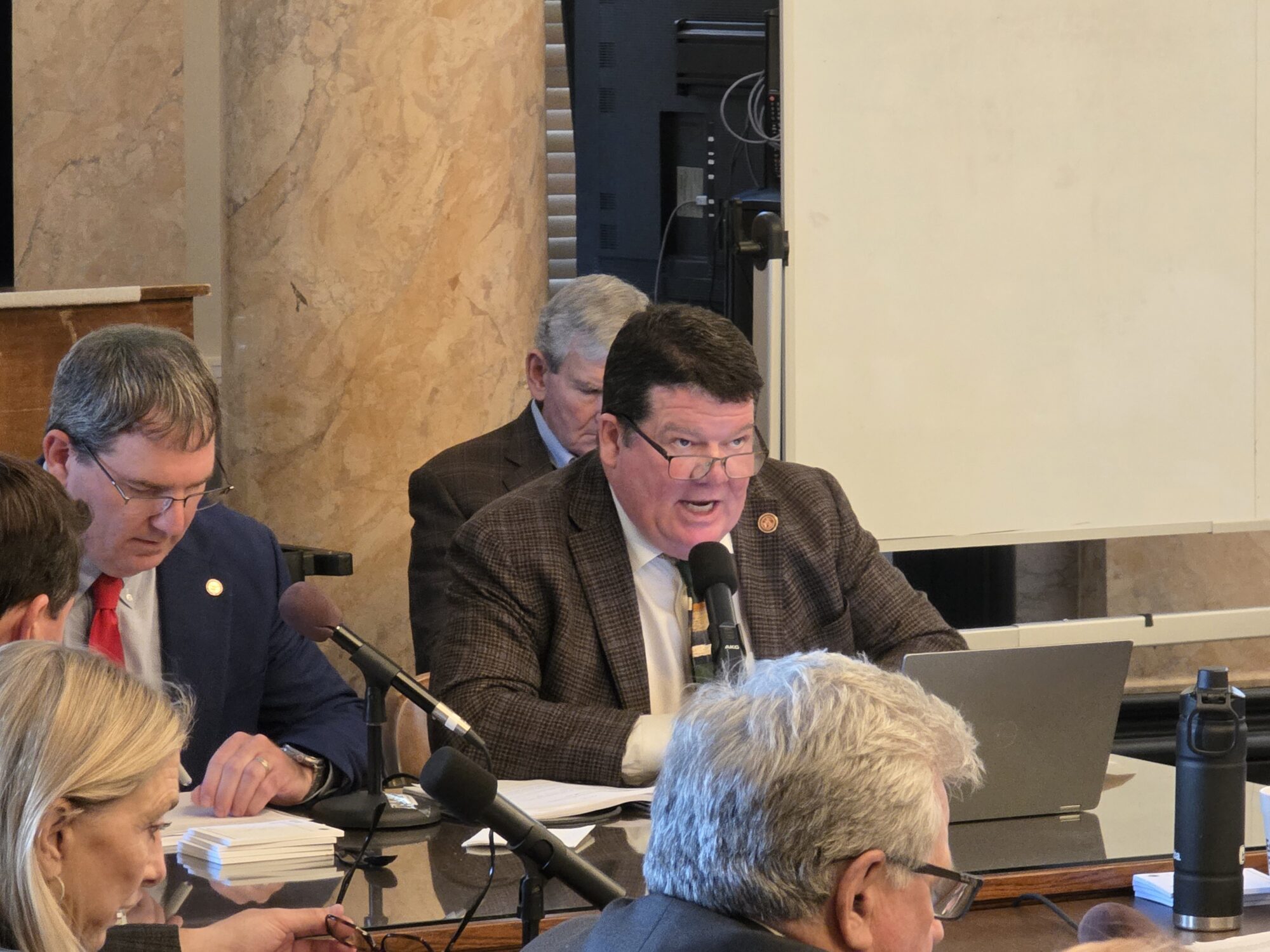
Mississippi is currently not among the growing number of states that allow high school student-athletes to accept Name, Image and Likeness, or NIL, money or benefits. That could change if legislation filed by State Rep. Jeffery Harness (D) is signed into law.
According to Opendorse, a leading athlete marketplace and NIL technology company, the vast majority of states across the U.S. now allow some form of high school NIL. Their report from November 2025 showed Alabama, Hawaii, Indiana, and Mississippi as the only states that have prohibited the practice.
“Policies are evolving quickly—some states have embraced NIL fully, while others remain cautious,” Opendorse reported.
Rickey Neaves, the executive director of the Mississippi High School Activities Association (MHSAA), told Magnolia Tribune in July 2025 that while the Magnolia State does not allow NIL, “students cannot be denied benefit from their own identity.”
Neaves said a high school student-athlete may sign a NIL deal today under three conditions:
- The student or his parents cannot receive any money or benefits until the student has graduated or used all of their eligibility. If this happens, the student loses their eligibility immediately.
- The student may not use the school colors, uniform, or identify their position at a school. In other words, they can only use their own name, image and likeness.
- Any money or benefits have to be held in escrow until graduating or until all high school eligibility is used.
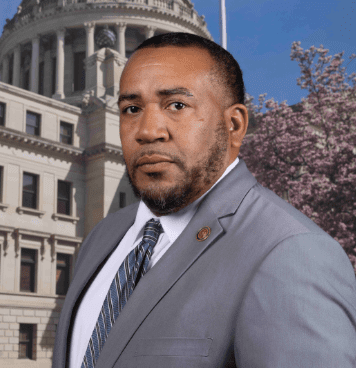
The legislation filed this session by State Rep. Harness, HB 1400, would shake this up.
Harness proposes that student-athletes may earn compensation for the use of their name, image, and likeness, provided that the compensation is not contingent upon athletic performance, statistics or participation; the compensation is not offered as an inducement to
enroll in or transfer to a particular school; and the compensation does not conflict with existing
Mississippi law.
The measure would apply to public and private high school students in Mississippi that participate in interscholastic athletics.
Harness’ bill makes it clear that “participation in NIL activities shall not, by itself, create eligibility, prevent eligibility, or serve as a basis for transfer approval or denial.”
As for how NIL payments would be structured, the legislation states that if total NIL compensation paid to a student-athlete during a calendar year is $10,000 or less, it could be paid directly to the student-athlete or the parent or legal guardian. However, if the compensation is over $10,000 in a calendar year, the monies are to be deposited into a restricted trust account established for the benefit of the student-athlete and shall not be released until the student-athlete graduates from high school or attains the age of 18, whichever occurs first.
“A copy of any NIL contract shall be disclosed to the Mississippi High School Activities Association within a reasonable time after execution. The association shall have no administrative, investigative, enforcement, or regulatory duties related to NIL compensation under this act,” HB 1400 outlines. “Disclosure is for informational purposes only and shall
not constitute approval, denial, or oversight by the association.”
The measure also states that the bill supersedes and preempts any rule, policy, or regulation of the MHSAA, specifically noting that the MHSAA “shall not declare a student-athlete ineligible solely for participation in NIL activities authorized by this act.”
School leaders and coaches would be prohibited from arranging, negotiating, or securing NIL contracts on behalf of student-athletes and the same could not receive any compensation related to a NIL deal for student-athletes.
The bill has been referred the House Judiciary A Committee for consideration.

Frank Corder