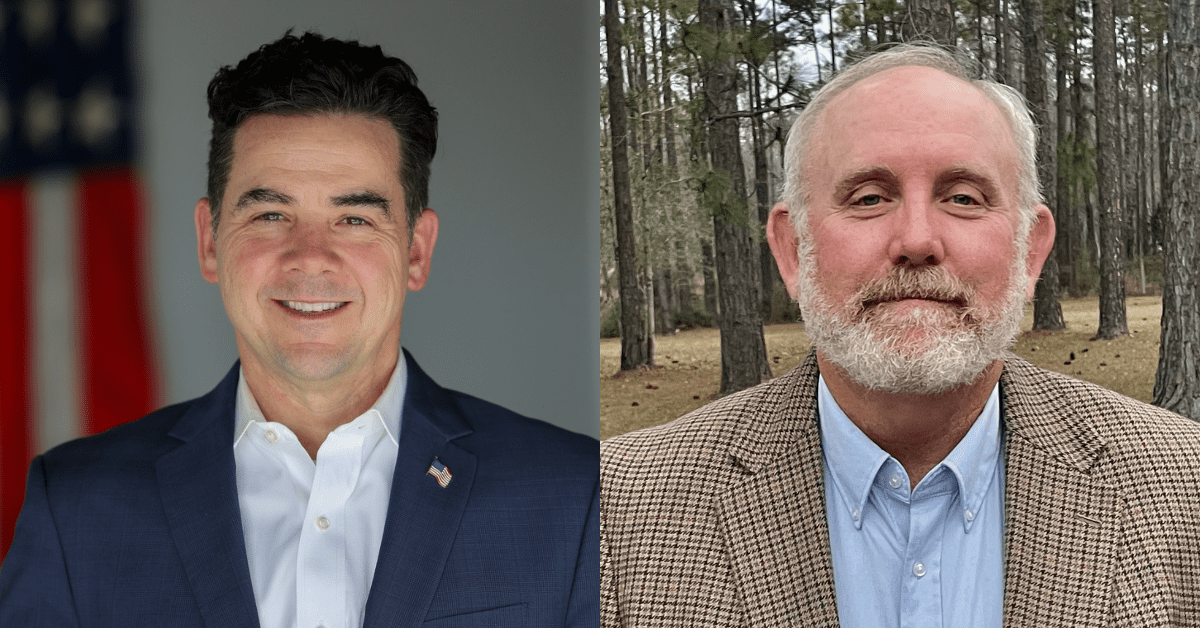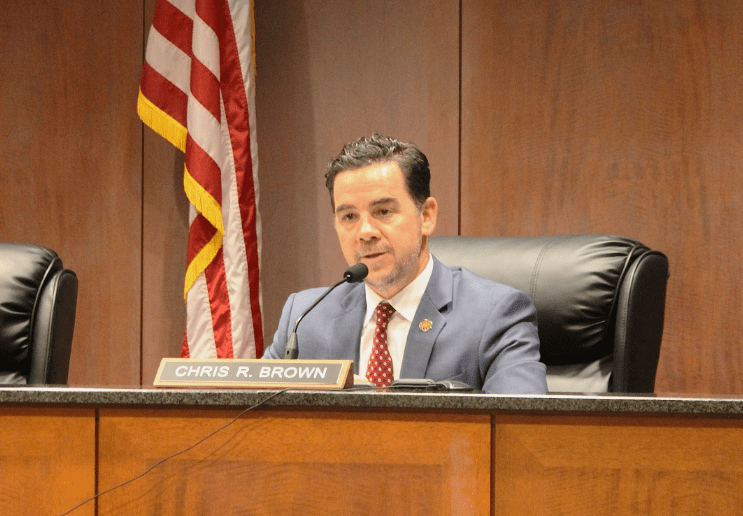
PSC Commissioner Chris Brown (Photo from Brown's PSC Commissioner Facebook page)
- Northern PSC Commissioner Chris Brown says nuclear energy is the future of large-scale power generation. Serious nations know it.
America’s economy is entering a new phase: one that requires enormous amounts of reliable electricity. Artificial intelligence, data centers, advanced manufacturing, military installations, and modern infrastructure all depend on power that is available every hour of every day, no matter the weather.
That reality matters deeply in Mississippi, where families, businesses, hospitals, and military facilities cannot afford rolling outages or skyrocketing power bills. If the United States wants to remain economically competitive and nationally secure, we must be honest about what works, and accelerate investment in advanced nuclear energy.
Much of today’s energy debate focuses on the falling cost of renewable power, especially solar. That progress is real and useful. But it often ignores a critical distinction: cheap power on paper is not the same as dependable power in the real world.
Solar energy can be inexpensive when the sun is shining. But electricity demand does not stop at night, during storms, or during prolonged cloudy periods. To deliver round-the-clock power, solar must be paired with massive battery systems. Those batteries are expensive, wear out over time, and must be replaced regularly. Once those costs are included, the price of “dispatchable” solar power rises sharply.
Once you require dispatchable, 24/7 power, the economics flip.
Cost per kWh (firm power):
• Advanced Nuclear: $0.06–$0.10
• Solar + 4h batteries: $0.09–$0.13 (still not fully reliable)
• Solar + 24h batteries: $0.20–$0.35
• Hardened solar (multi-day): $0.40–$0.80+
Dispatchable solar costs 2–8× more per kWh.
When measured fairly, comparing only power that is available on demand, the difference becomes clear. Advanced nuclear energy can produce electricity for roughly six to ten cents per kilowatt-hour, with plants operating more than 90 percent of the time and lasting for decades. By contrast, solar paired with enough storage to provide continuous power often costs two to four times more, and systems designed to handle multi-day outages can cost even more.
This is not a political issue. It is a matter of physics and engineering. Nuclear energy stores immense amounts of energy directly in its fuel. Solar energy must be generated when conditions allow and stored externally in batteries that require large amounts of land, minerals, and ongoing replacement.
Reliability matters more than ever as electricity demand grows. Data centers, manufacturing plants, military installations, and critical infrastructure cannot simply power down when conditions are unfavorable. A grid built primarily on intermittent generation like solar and wind becomes more fragile, not more resilient, without firm power sources to anchor it.
Advanced nuclear reactors are designed for exactly this challenge. Modern designs rely on passive safety systems, simplified construction, smaller footprints, and decades of operational experience. Unlike other technologies, nuclear power becomes more economical as it runs longer, without requiring massive new infrastructure, and only small amounts of additional fuel.
Nuclear energy is also a strategic national asset. Countries that lead in advanced nuclear technology will control supply chains, safety standards, and long-term geopolitical influence. Russia and China understand this clearly and are investing heavily to dominate the next generation of nuclear power. The United States cannot afford to fall behind, or worse, outsource its energy future while competitors lock in theirs.
Nuclear energy is the future of large-scale power generation. Serious nations know it. Rather than continuing to funnel billions of dollars into subsidized solar projects that depend on weather and constant backup, America should focus on technologies that deliver reliable power, strengthen national security, protect ratepayers, and secure long-term leadership. When it comes to powering the next century of economic growth and national defense, advanced nuclear is not optional: it is essential.

Chris Brown