Listen to the audio version of this article (generated by AI).
- No one should shed a tear over the fall of Nicolás Maduro, the illegitimate dictator who destroyed Venezuela. The once great nation is, perhaps, the greatest modern example of communism’s persistent failure.
On Friday, New York’s new communist mayor, Zohran Mamdani, vowed to replace the “frigidity of rugged individualism” with the “warmth of collectivism.”
While Mamdani slumbered Friday night in Gracie Mansion, fellow communist sojourner Nicolás Maduro came, head first, into contact with President Donald Trump’s rugged individualism.
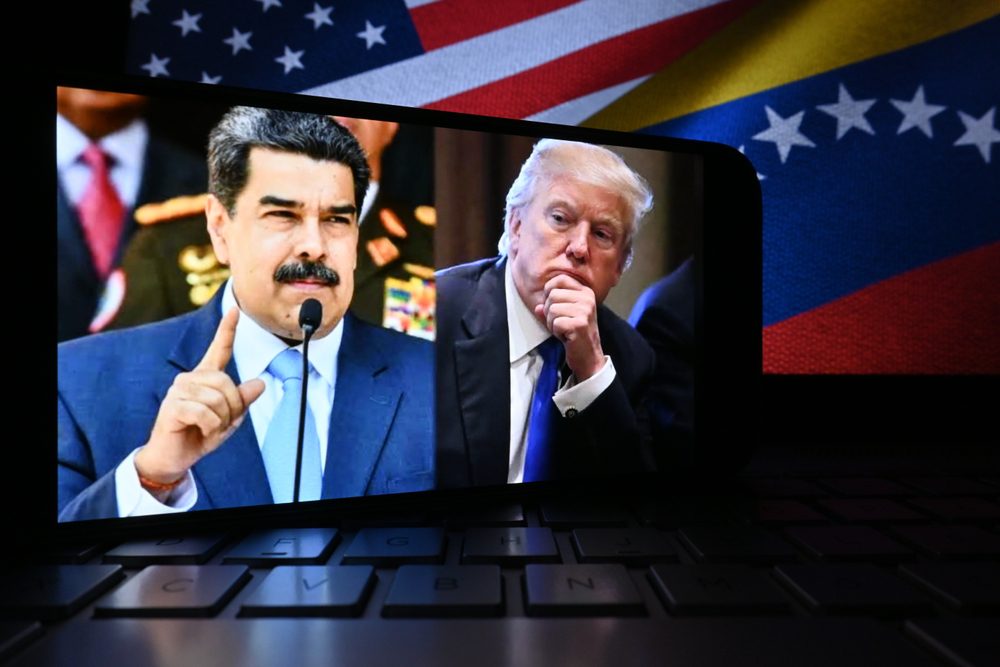
The U.S. executed a large-scale military attack in Caracas early Saturday morning, capturing Maduro and his wife Cilia Flores. Special forces transported the pair to New York. Maduro and Flores will stand trial for narco-terrorism, drugs and weapons-related charges filed by the Department of Justice.
Billed as a joint operation of federal law enforcement and U.S. military assets, the capture of Maduro marks the first time since the 1989 arrest of Panamanian dictator Manuel Noriego that U.S. forces executed an incursion to apprehend a titular head of state.
No tears should be shed. Instead, lessons should be learned.
Venezuela, a socialist hellscape under Maduro
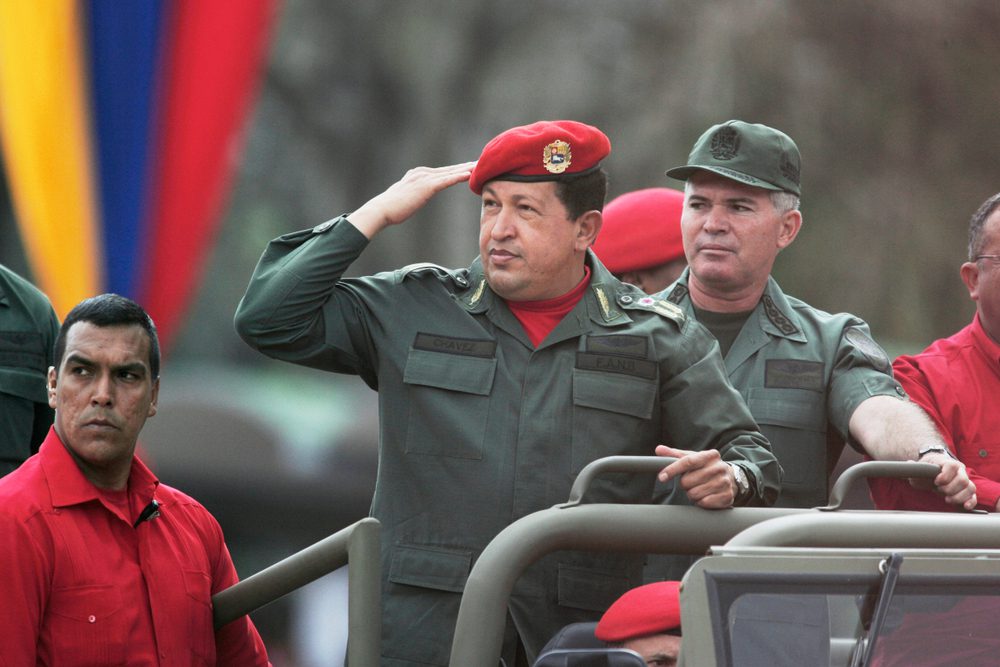
But Venezuela presents a modern, and tragic, reminder of collectivism’s “warmth.” Resource rich, Venezuela once sat near the top of global economies. In a quarter century, Maduro and his predecessor, Hugo Chavez, destroyed it.
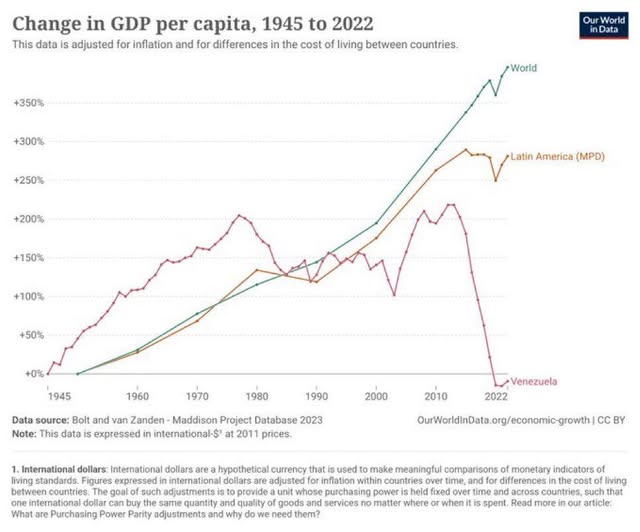
Today’s Venezuela economy is smaller than it was in 1945 at the close of the Second World War. In fact, it is only 28 percent of the size it measured just 12 years ago in 2013.
As the government seized private businesses and slowed economic production to a snail’s pace, private incomes plummeted and inflation skyrocketed. In recent decades, Venezuela’s average annual inflation rate is 3,527 percent. That’s not a misprint.
Heavy Crude, The ‘Donroe’ Doctrine, and Narco-Terrorism
Even so, why Venezuela? Why now? Pundits and politicians are vigorously debating a number of motivations. It bears mentioning that there needn’t be one “winner.” Multiple things can be true at once.
For instance, it is true that Maduro’s predecessor, Chavez, nationalized the oil industry, stealing billions worth of investments by American oil producers in 2007. International courts have awarded ExxonMobil and Conoco Phillips with massive judgments against Venezuela. Collection’s difficult.
Venezuela sits on the largest oil reserves in the world — an estimated 300 billion barrels. At its peak, it produced 3.5 million barrels a day. Production fell since Maduro took power in 2013 to less than 1 million barrels daily.
As the nation’s capital engine slowed, Maduro became reliant on China in “loan for oil” deals to keep Venezuela’s government afloat. China now consumes 95 percent of their production and is actively investing billions to redevelop the oil industry there. Meanwhile, Iranian and Hezbollah agents are now helping to maintain the equipment seized from American producers, which was allowed to fall into disrepair before now. The Russians are supplying weapons.
Enter the Monroe, er, Donroe Doctrine. In 1823, President James Monroe introduced the aptly named Monroe Doctrine. In sum, it told Europe the era of settlement in the Western Hemisphere was over.
The message in Caracas on Saturday — the “Donroe Doctrine” — is that the era of America’s greatest adversaries playing in our backyard, destabilizing the region, is over.
Maduro faced previous indictment, in 2020, for drugs and weapon trafficking into the U.S. Justice officials allege he heads Cartel de los Soles, a state-embedded criminal network that uses Venezuelan government and military institutions to traffic cocaine and other drugs into the U.S.
All three things can be true. All three things can be related.
Trump Administration, Fairly Strong Legal Justifications Available
There are legitimate questions about the constitutional authority for the attacks in Caracas and Maduro’s capture. There are also legitimate answers that likely would hold in U.S. courts. The White House has two primary lanes of defense.
First, the Noriega arrest in 1989 set a legal precedent. A young assistant Attorney General named Bill Barr — yes, that Bill Barr — authored a memorandum at the time of Noriega’s arrest explaining that federal law allows the FBI to apprehend a wanted fugitive on foreign soil. Federal law also permits the deployment of military assets to protect law enforcement agents serving a foreign warrant.
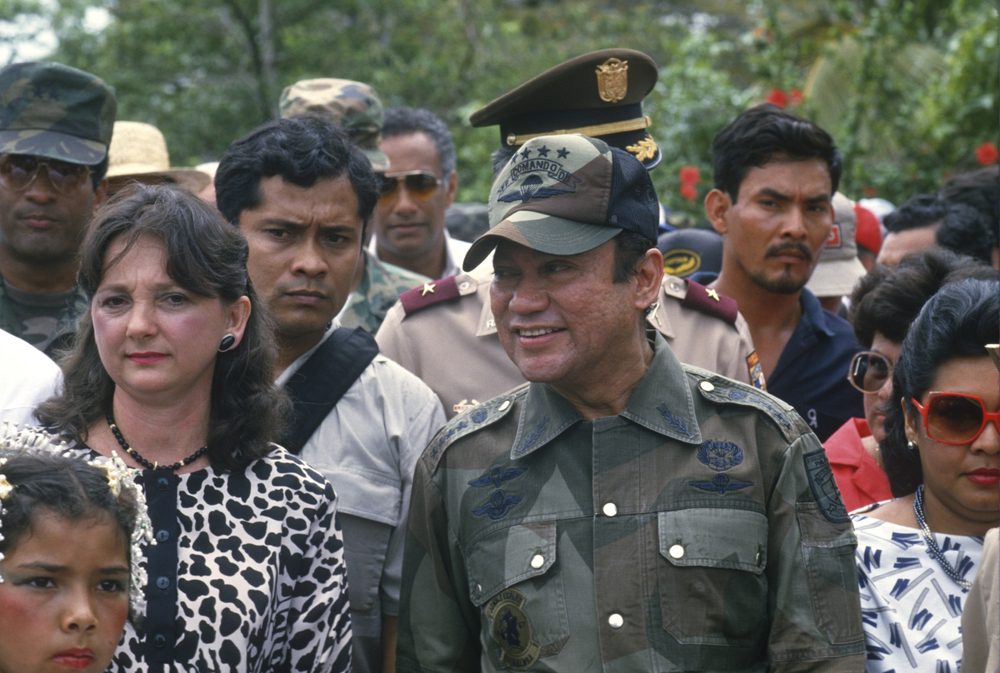
Noriega, like Maduro, was accused of drug trafficking. Noriega died in an American prison in 2017.
Second, the Trump White House has at its disposal a tool George H.W. Bush did not. The 2001 AUMF, which authorized George W. Bush to uproot global terrorism post-9/11, provides an additional justification.
DOJ labels both Cartel de los Soles and Venezuela’s violent gang Tren de Aragua as a Foreign Terrorist Organization. Assuming DOJ can establish Maduro as the head of Cartel de los Soles, the U.S. action in Venezuela can very likely be justified under the AUMF.
Selective Outrage, Tiresome
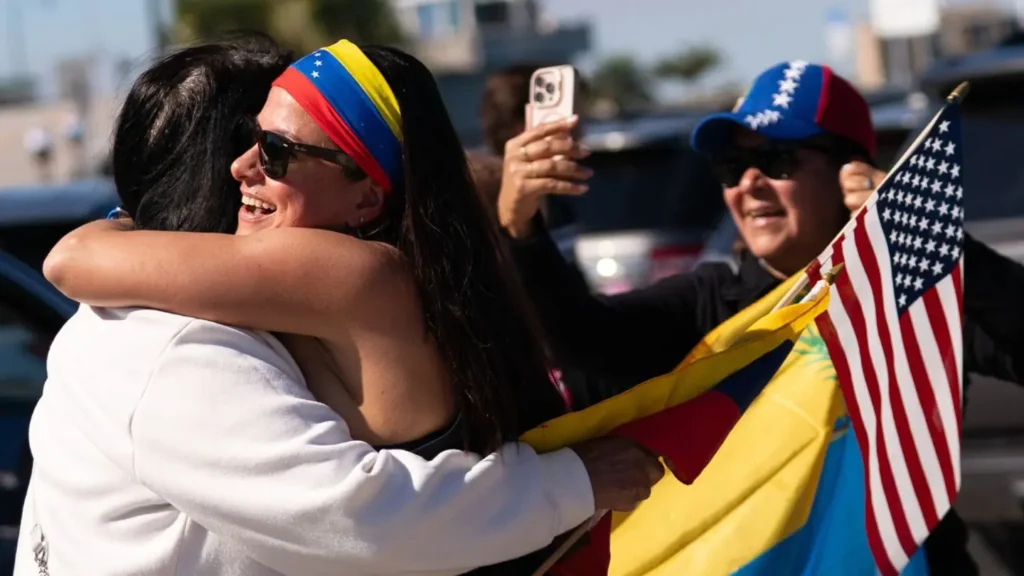
As Venezuelans, both domestically and in exile, celebrated their liberation from an evil autocratic ruler, America’s fringe — left and right — denounced the maneuver.
My “favorite” rightwing goofball Tucker Carlson even suggested that the U.S. action in Venezuela was motivated by a desire to bring gay marriage to the country. Sigh. Others raised the specter that this could lead to the abduction of other heads of state.
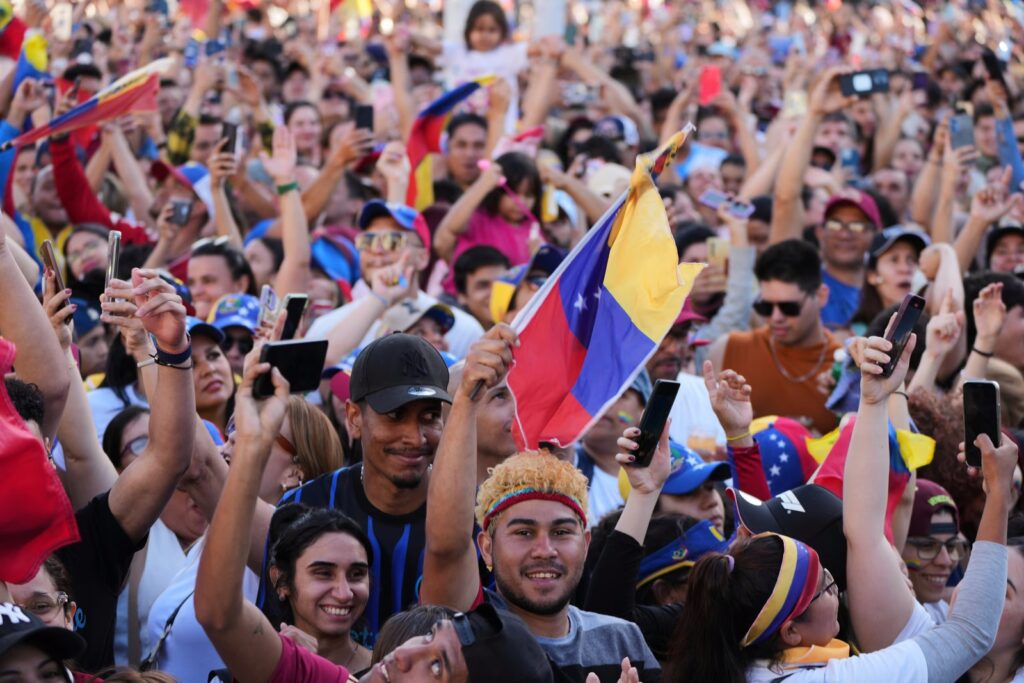
It’s important to note the U.S. did not formally recognize Maduro as the legitimate head of state in Venezuela, but a drug lord and dictator. Over 50 other nations agreed, refusing to acknowledge him as the legitimate head of state.
In 2024, Maduro stole Venezuela’s election. Not the American version of a “stolen election,” either. Demonstrably stolen. Maduro’s opposition ticket of Edmundo González and María Corina Machado — Machado recently won the Noble Peace Prize for her opposition to Maduro — beat him by a more than 2 to 1 margin.
The Biden White House had a $25 million reward available for information that led to Maduro’s capture. Trump just did it.
But even if legitimate, the action against Maduro under the AUMF would not be unprecedented. President Bush used the AUMF to depose Saddam Hussein. President Obama used it to depose Muammar Gaddafi in Libya. Both met brutal ends.
And what of Congress’ role and approval? Arguing that the decades old War Powers Act was an unconstitutional delegation of Congress’ power to declare war is not bonkers, though courts have disagreed.
But the War Powers Act allows what happened Saturday without congressional approval so long as the President notifies Congress within 48 hours. It is possible to be mad at Congress for willfully abdicating its authority to an increasingly powerful executive, but acting like Saturday is some ridiculous outlier is silly. Congress has not declared a formal war since 1942. We’ve been in plenty.

Russ Latino