- Mississippi’s vaccination rate has thus far been keeping pace with or exceeding national averages. The U.S. is at risk of losing its measles elimination status if transmissions continue into next year.
As a new year begins, healthcare officials are advising residents to get vaccinated against preventable ailments including influenza and measles, especially in at-risk populations.
So far this flu season, influenza-like illness cases in Mississippi have remained steady, the Mississippi Department of Health reported this month. During the week of December 13, the state’s overall case rate of influenza-like illnesses was 2.6 percent, a sharp contrast to the same time last year when the rate was 4.4. percent.
There are other parts of the nation and world that are not faring as well, according to information presented during a recent media briefing held by the Johns Hopkins Bloomberg School of Public Health.
Dr. Andrew Pekosz, professor and vice chair of the W. Harry Fienstone Department of Molecular Microbiology and Immunology, described how a variation in a strain of influenza is occurring.
There are three versions of the influenza virus that affect humans – H1N1, H3N2 and IBV. Within H3N2, a new variation is resulting in increased cases in states like Louisiana and New York, and it’s not just affecting the United States.
“And there is a relatively new form of H3N2 identified this year called Clade K, which has resulted in increased cases and an earlier start to the influenza season in the United Kingdom, Japan and Canada,” Pekosz described. “It is currently driving influenza cases in the U.S. as well.”
Overall, Pekosz said overall influenza-like illness conditions have restored to what is consider the “pre-pandemic sort of cycles of respiratory virus infection.”
Cases of COVID-19 are down nationwide when compared to previous years, but spikes were noted in the early fall. However, Pekosz worries COVID-19 cases could increase midwinter just as they have in the past.
The mutation within the subclade K strain has the potential to evade vaccines and preexisting immune responses, but not all of them. Pekosz added that this year’s vaccine is still a good match to the influenza strains of H1N1 and IBV and can still provide protection against the subclade K variant.
“We’re at the beginning of that flu season right now, and now is a great time to take some vaccines against flu and against COVID to make sure that we’re doing everything we can to limit that spread of that virus,” Pekosz added.
Typically, it can take between 10 to 14 days for an immune response to generate from a vaccination, so it’s important to consider vaccination early especially as the subclade K strain starts to circulate across the world, he explained.
In terms of Respiratory Syncytial Virus, a virus that mostly affects the very young as well as adults older than 65, cases are low within the United States. Severe cases can result in the need for hospitalization. Pekosz contributed the low rate of cases to the fact there are new vaccines and treatments.
There is concern, however, as COVID-19 and flu vaccinations are trending down across all age groups for varying reasons compared to the early days of COVID-19 pandemic.
“It’s very clear that the COVID-19 vaccines and the influenza vaccines are safe, they do provide protection against sometimes disease, oftentimes against severe disease,” Pekosz described. “And while both can be improved, they certainly are very good in terms of stemming severe disease, particularly in at-risk populations.”
In addition to vaccines, medical professionals suggest employing safe practices during flu season, including staying home when sick and minimizing time spent in large crowds.
Measles cases
Shifts in the public perception of vaccines are resulting in increasing cases of measles, as was reported during the Johns Hopkins Bloomberg School of Public Health briefing.
During that briefing, Dr. William Moss, Executive Director of Internal Vaccine Access Center, said measles cases are still being tracked after historic low numbers were reported in the U.S. and worldwide from 2020 forward. Under-vaccination and un-vaccination are playing a part in the shift.
“It’s very important that we track measles because it can have serious outcomes, including hospitalization and more rarely death, and we have a safe and effective vaccine,” Moss explained.
According to the Centers for Disease Control and Prevention’s website, there have been 2,012 confirmed measles cases reported in the U.S. as of December 23, 2025.
“That’s the most cases we’ve had the United States in the past 25 years since the year 2000 when measles was declared eliminated, and in fact you have to go all the way back to 1992 when there were just over 2,000 cases in the United States,” Moss added.
He said measles cases can be a “canary in the coal mine” due to its ability to identify weaknesses in immunization systems because of the high contagiousness of the virus.
A large number of those cases (129) were reported by the South Carolina Department of Health. Of those cases, 11 percent required hospital care, and three deaths were reported.
“And that is expected to increase,” Moss said.
So far this year, the CDC has recorded 50 confirmed outbreaks nationwide, a notable increase over the 16 outbreaks confirmed in 2024.
“Not surprisingly 92 percent of the cases have been in those who are unvaccinated or without a known vaccination status, that’s in large part because Texas has not been reporting the vaccination status of measles cases,” Moss noted.
Mississippi’s vaccination rate has thus far been keeping pace with or exceeding national averages, last reported by the CDC to be 97.6 percent during the 2024-2025 school year. The national average that year was 91 percent.
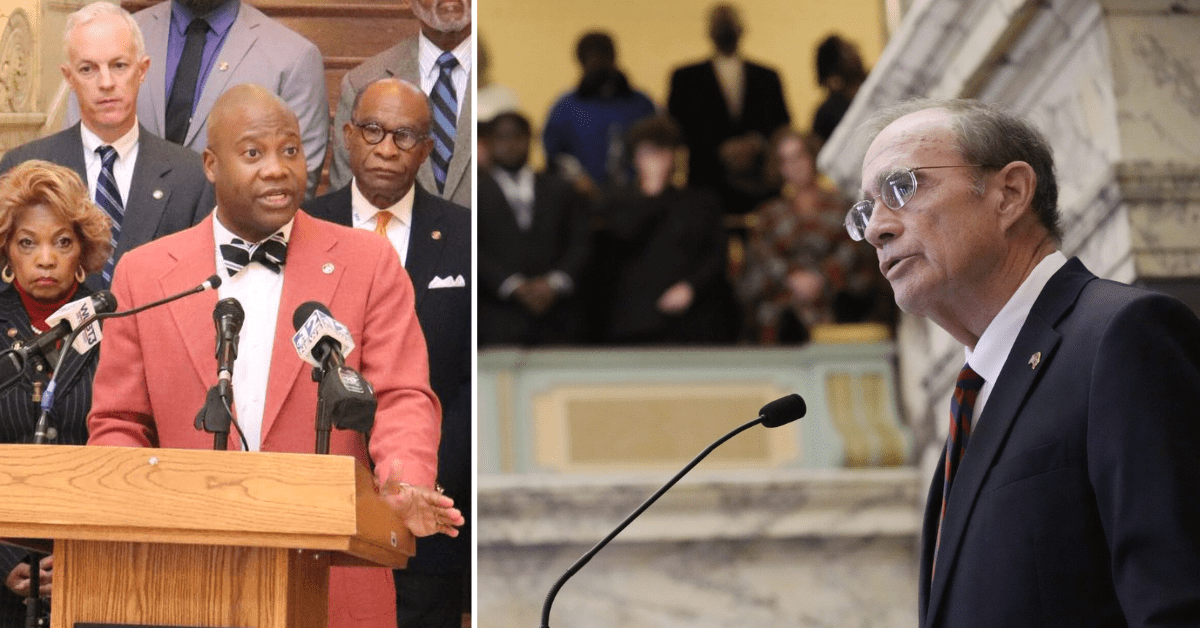
Mississippi’s State Health Officer Dr. Daniel Edney has long been a supporter of vaccinations, including those against measles.
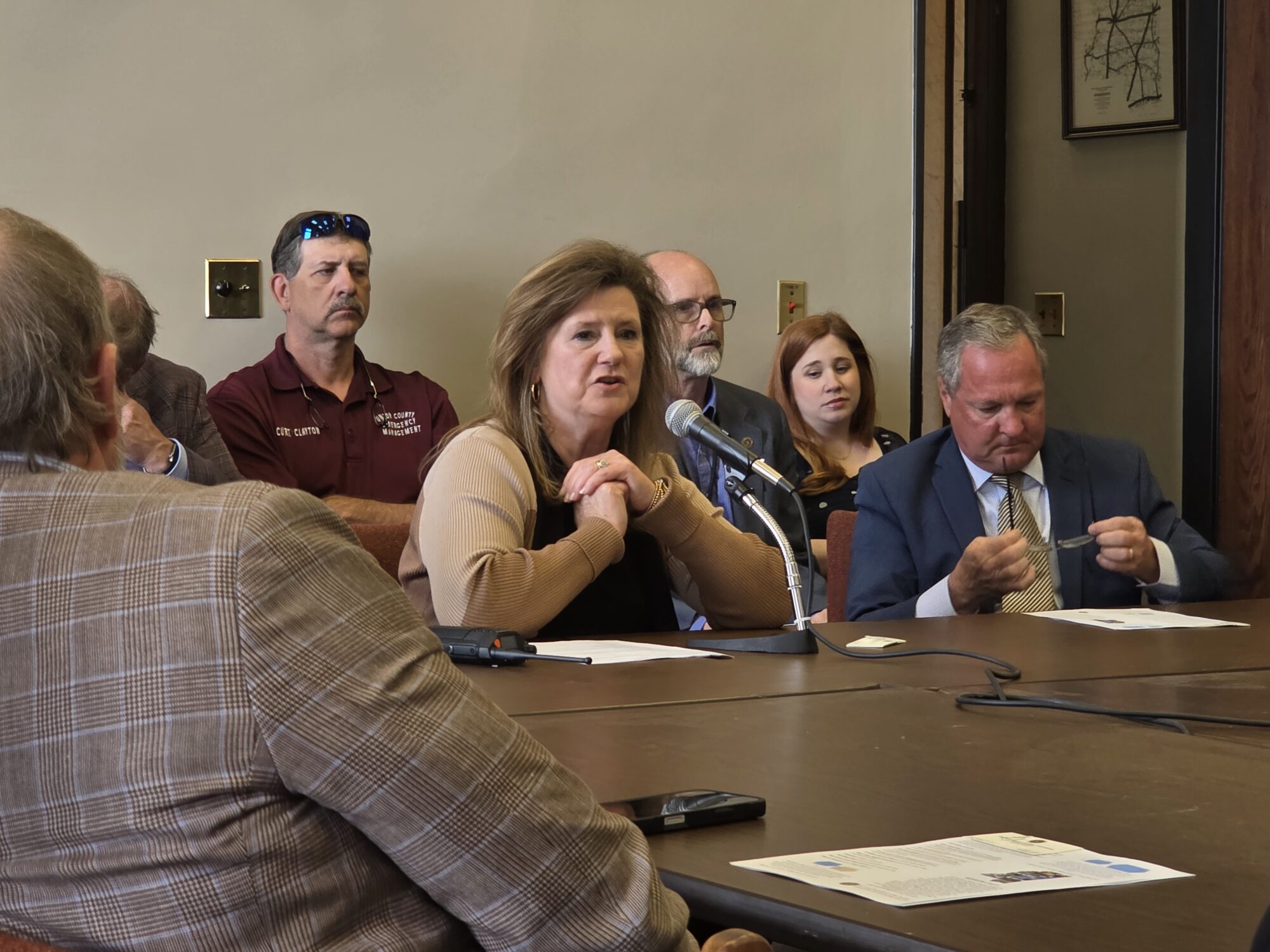
“Back in the 1930s, we were losing 400-430 children a year just to measles,” Edney described about Mississippi during a recent presentation before the state Senate Women Children and Families Study Committee.
Moss said when age was factored into this year’s nationwide cases, 25 percent were in children younger than 5, and more than 30 percent involved people 20 years or older. He added that it’s not because the virus has mutated.
“But it’s really because we have clusters of unvaccinated or under-vaccinated communities where there are susceptible people. That’s what’s driving these outbreaks,” Moss explained.
As the herd immunity is decreased, it not only puts people at risk, but also puts a nation and its surrounding region at risk of losing their measles elimination status.
“There is a threat that the United States could lose its measles elimination status after 25 years,” Moss said. “Elimination is a fragile state and regions and countries can gain and lose elimination status. The region of the Americas, which includes North and South America, originally gained its elimination status in 2016, lost it in 2018 because of large outbreaks in Brazil and Venezuela gained it again in 2024 and then we lost it again the November when Canada lost its measles elimination status.”
Moss went on to say the United States could lose its elimination status if measles transmission continues into January 2026.
There are two types of measles strains, B3 and D8, with the D8 strain affecting countries in the North America Region, which includes Mexico, Canada and the U.S.