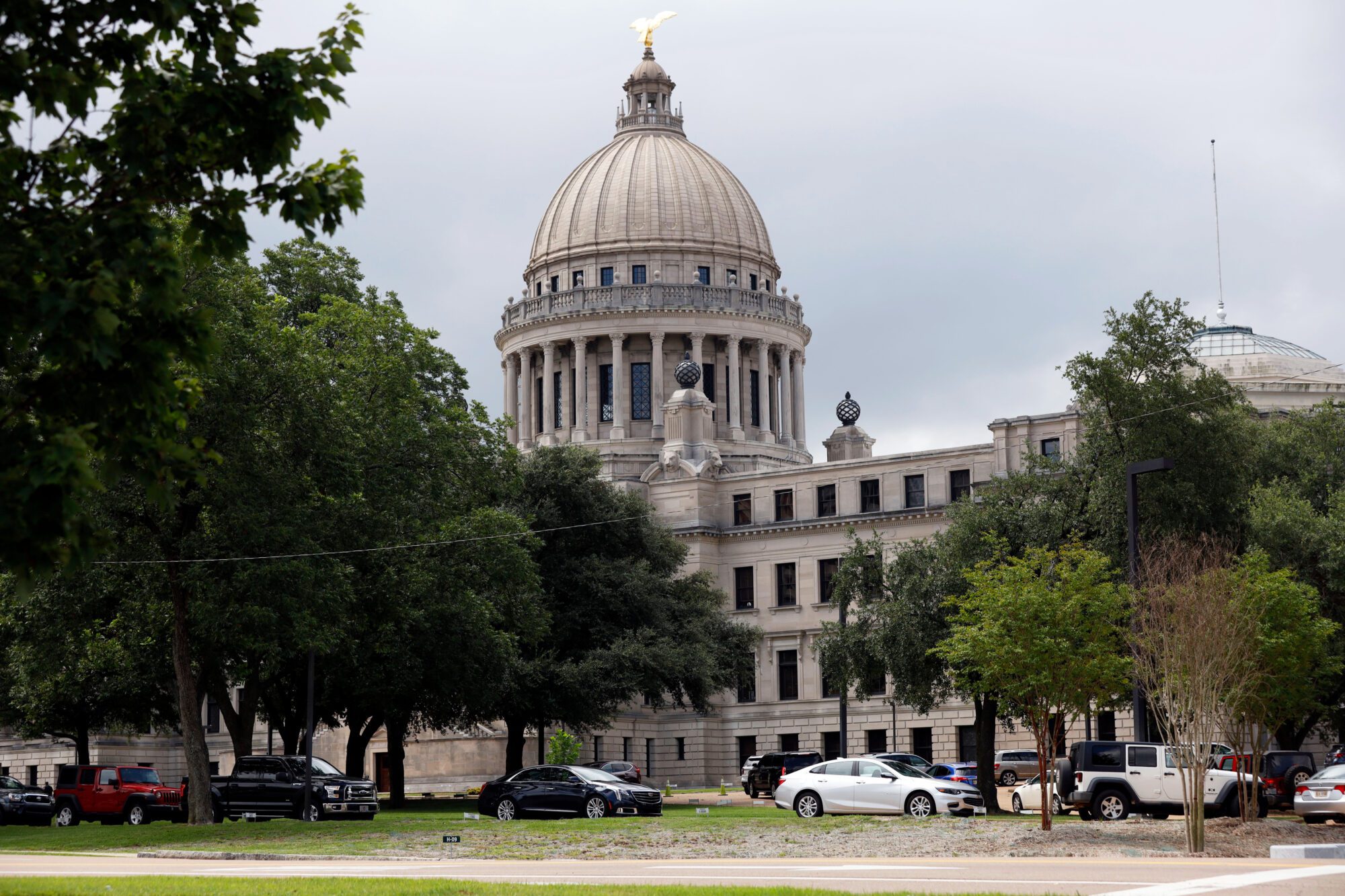
FILE - The Mississippi Capitol in Jackson, Miss., on July 6, 2020. (AP Photo/Rogelio V. Solis, File)
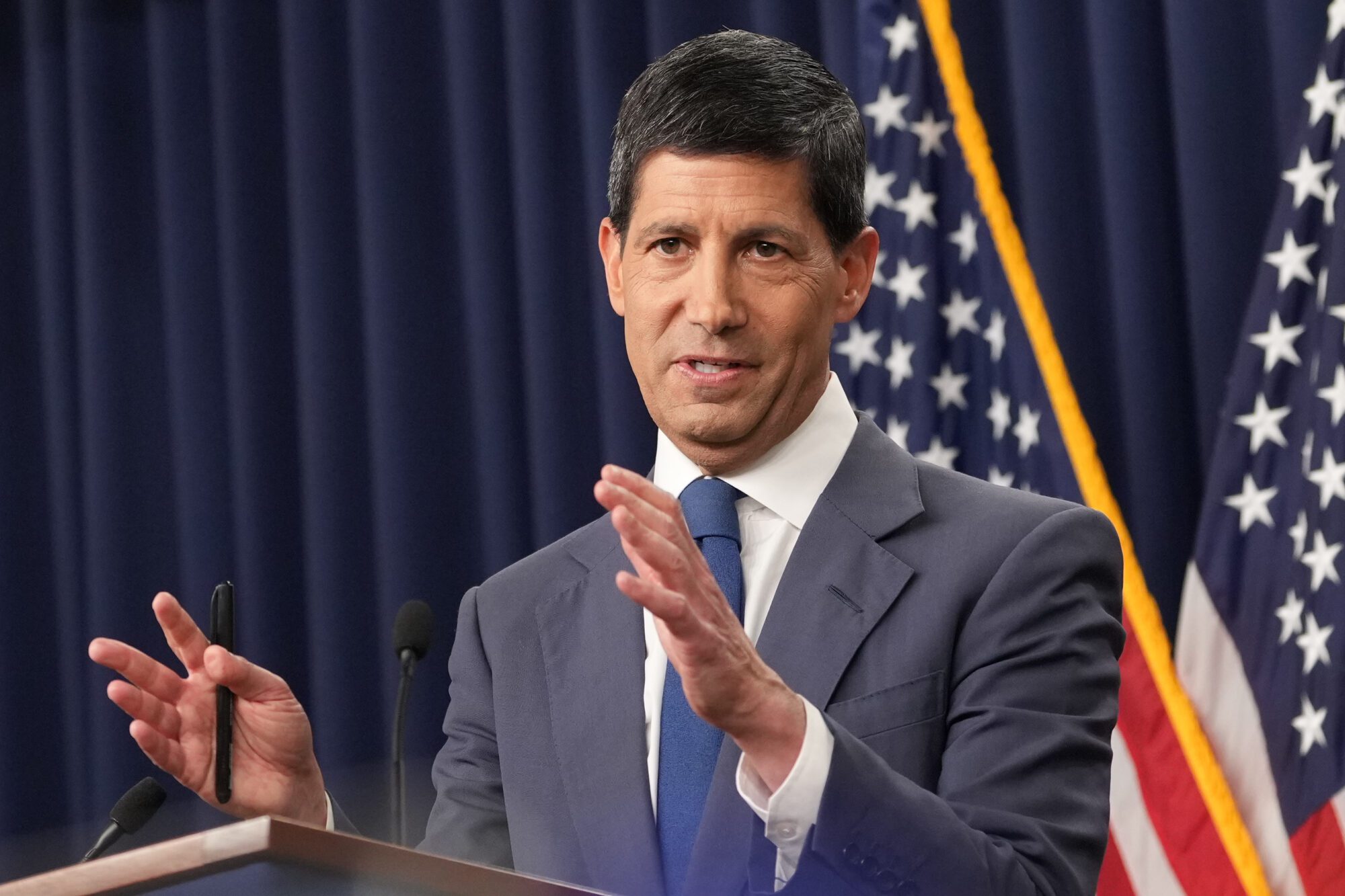
- “The people responsible for protecting children, representing families, enforcing the law and administering justice need clear laws from the Mississippi Legislature,” Governor Reeves said Wednesday.
The special legislative session called by Mississippi Governor Tate Reeves (R) on Wednesday gaveled in as lawmakers got to work on the state’s youth court system.
The agenda for the special session, which is controlled by the governor, includes reforms for Mississippi’s youth court system statewide as well as legislation related to lawsuits filed regarding access to youth court records.
Governor Reeves held a press conference Wednesday morning prior to the Legislature gaveling in. He said the special session was necessary due to the June 30 expiration of statutes related to the disclosure of court records, which has led to 15 lawsuits being filed.
The issue at hand is the 2024 repealer regarding the MYCIDS system modernization effort which was not extended during this year’s regular session, potentially resulting in the file system being inaccessible to attorneys and parents.
U.S. District Judge Henry Wingate provided a continuance in the related cases to ensure access to the files would continue until July 15th.
“The people responsible for protecting children, representing families, enforcing the law and administering justice need clear laws from the Mississippi Legislature,” Reeves said Wednesday.
The plan for the special session is to not only address the concerns of transparency and file access outlined in the lawsuits, but also provide funding for additional chancellor positions beginning in 2027 to serve counties without full-time youth court judges.
“Today, only 24 of Mississippi’s 82 counties have a full-time judge handling youth court cases. In many other counties these matters are handled by part-time referees, who may only serve a few days a month,” Reeves described.
The governor added that the legislation being considered in the special session intends to strengthen due process protections, create clear file access for parties and attorneys, and ensures judges are impartial by limiting their involvement before a petition is formally filed. The proposed legislation also puts truancy cases exclusively under youth court jurisdiction.
Reeves said the aim is to create a statewide evidence-based diversion program to identify young people that can be redirected to treatment programs, giving them a new start before they become too deeply involved in the criminal justice system.
“The bill will also recognize that we cannot address juvenile crime through punishment alone,” Reeves said.
Funding for the expansion of existing juvenile holding facilities and the addition of more locations is also up for consideration.
“That is why the legislation also invests in expanding capacity at the Oakley Youth Development Center and begins the process of developing additional secure detention options in the north and south ends of the state,” Reeves added.
The need for additional facilities is in response to growing crime rates in the state’s juvenile population.
“We have seen juveniles accused of shootings, armed robberies, carjackings and other acts of violence that destroyed lives and terrorize communities,” Reeves explained. “We cannot look the other way simply because the offenders are young. Instead, we must be willing to intervene before a troubled child becomes a hardened criminal and before another innocent person becomes a victim.”
Funding through additional appropriations bills is planned for the special session to achieve those goals.
One of the appropriations bills looks to provide expanded funding of a pilot intervention program. The extra funding will make the pilot program available statewide through the addition of $7.5 million to the already appropriated $1.5 million, for a total of $9 million.
Another $10 million is being considered to the Department of Public Safety to address juvenile delinquency through the state’s evidence-based rehabilitation services.
“That $10 million is really to show that the state is committed to having a detention facility similar to Oakley that is state-run and state-funded in both the north and the south,” Reeves said.
For counties, housing the juveniles in the state-run facilities would cost up to $100 per day, which is less than the double or triple they are paying to hold them in county facilities, the governor said.
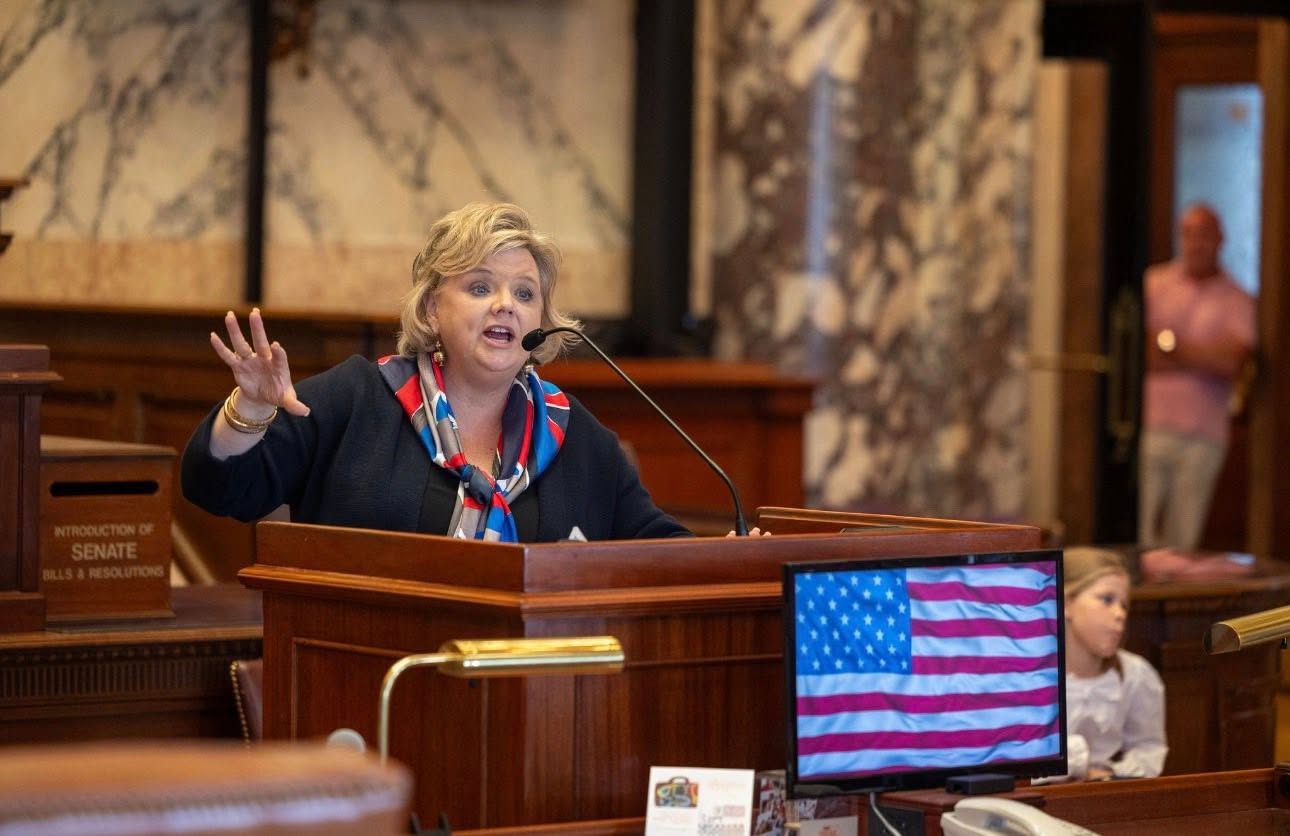
Lawmakers are working late into the night on Wednesday, with hopes high that both chambers will make quick work of the legislation in a bipartisan fashion, allowing lawmakers to head back home.

Jeremy Pittari