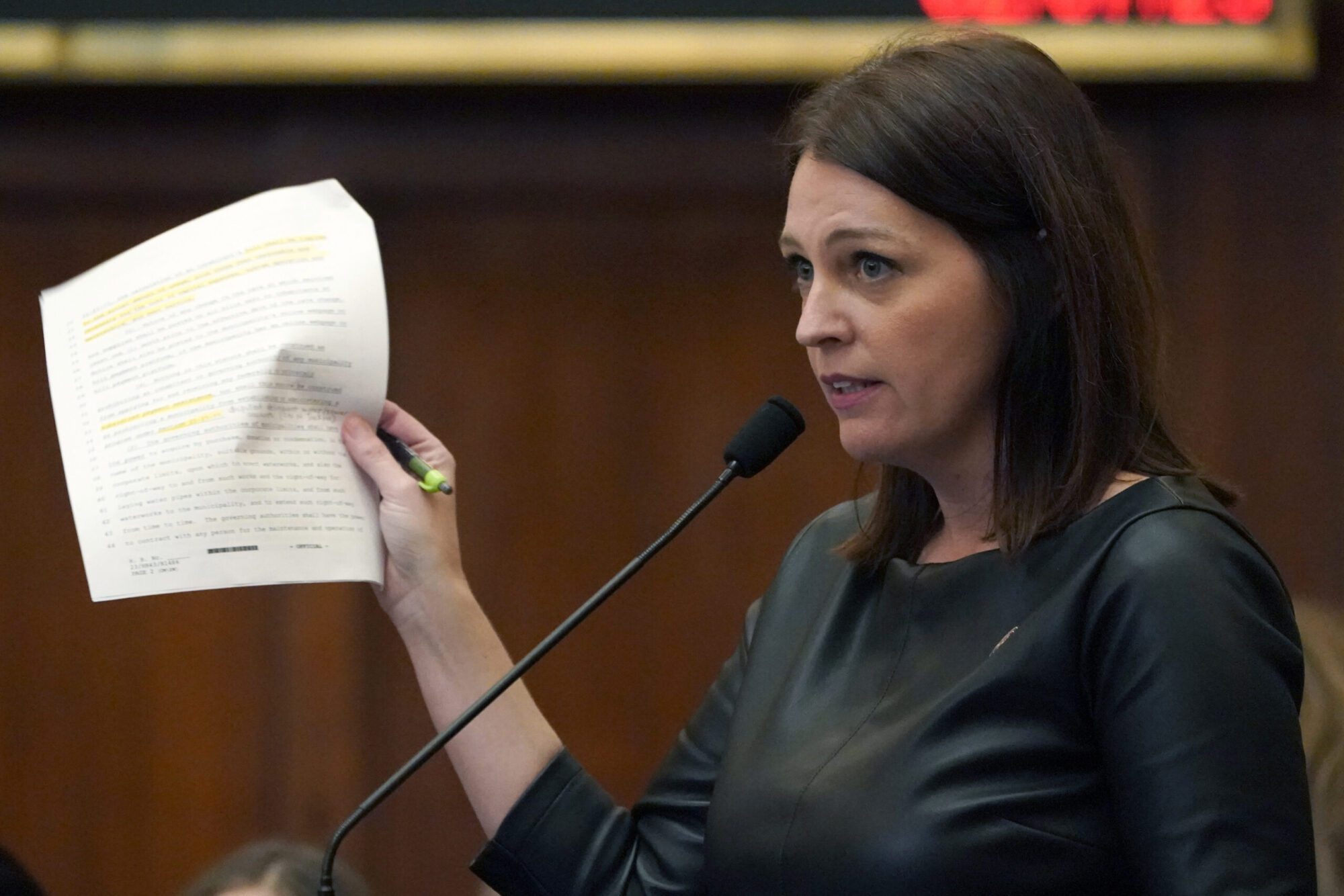
Rep. Shanda Yates, I-Jackson, presents legislation in House Chamber at the Mississippi Capitol, Tuesday, Feb. 7, 2023, in Jackson. (AP Photo/Rogelio V. Solis - Copyright 2023 The Associated Press. All rights reserved.)
- State Rep. Shanda Yates says Jackson property owners would collect the utility fees but not pay the bill. Renters believed the bills were being paid, that is until their utilities were disconnected.
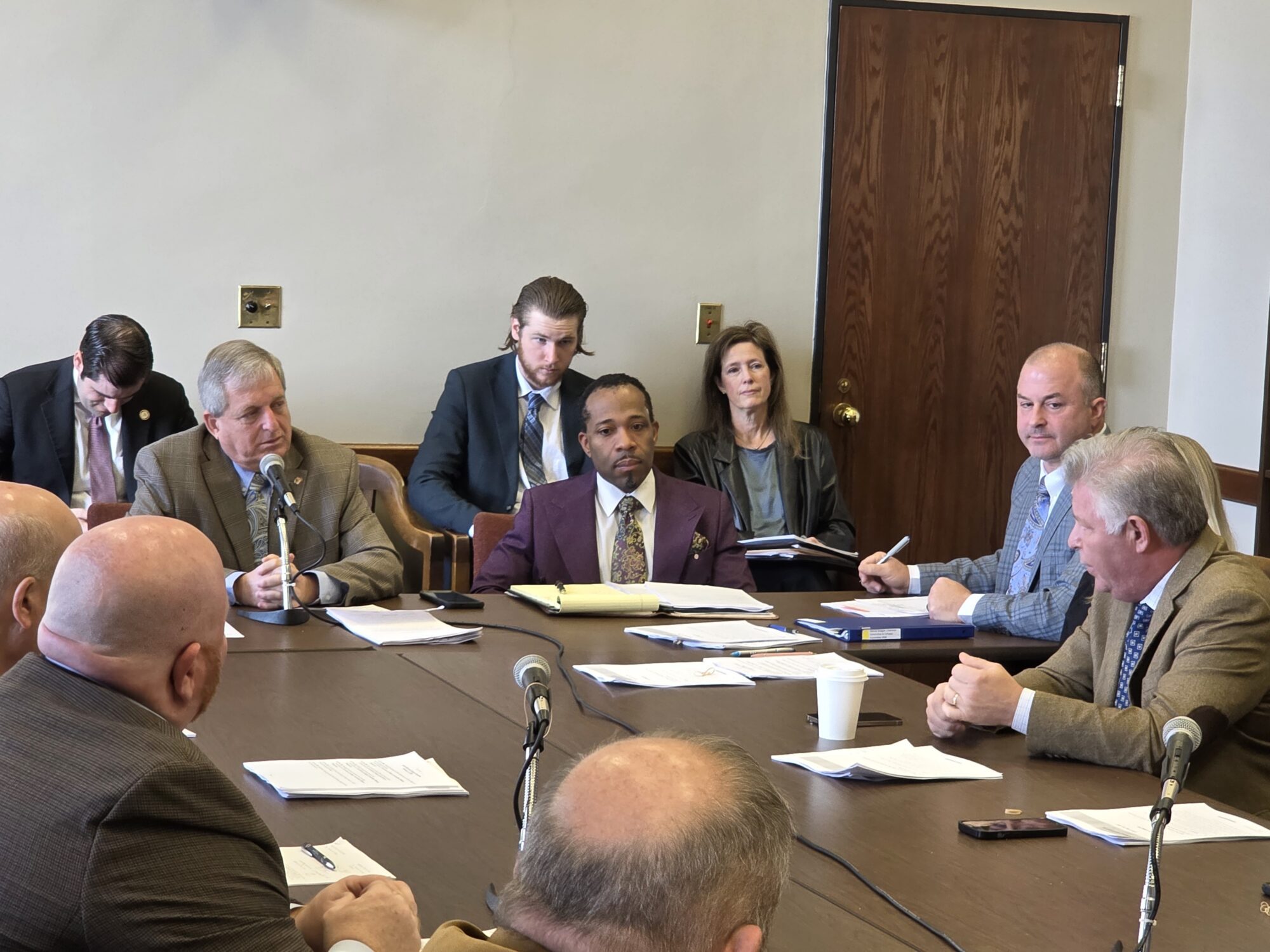
After a spirited debate Wednesday morning, the Senate Judiciary B Committee passed a House bill holding landlords responsible for unpaid utilities covered in a tenant’s lease, a problem that has been occurring across Mississippi and brought to light in recent months in the city of Jackson, lawmakers said.
State Rep. Shanda Yates (I), the bill’s author, told the Senate committee that the bill would impact landlords who are sole proprietorships, corporations, companies, limited liability companies, partnerships, limited liability partnerships, trusts, incorporations, or unincorporated associations.
The measure passed in the House in early February by a vote of 85 to 28.
“During the hearings we had in the House Select Committee to Revitalize Jackson, we discovered there was an issue with apartments collecting rents that included payment of water bills and other utilities, and then [landlords] failing to remit those payments to the utility provider,” Yates said of HB 1404.
Senate committee members said similar situations are happening in their districts. Perhaps the most troubling area has been in Jackson. This summer, apartment complex residents in the capital city could be seen in multiple media outlets showing their rent being paid but no water coming from their faucets.
Yates explained that property owners would collect the utility fees but not pay the bill. Renters believed the bills were being paid, that is until their utilities were disconnected.
The harsh penalties for not paying the utilities in the House bill worried some Senators. Under the provisions in the bill, if a landlord owes more than $25,000 in utilities, the offender could be imprisoned for no more than 20 years and fined upwards of $50,000.
The bill continues that if an offender has an outstanding bill of $5,000 or more but under $25,000, the landlord could be sentenced to up to 10 years in prison and fined $10,000. If the landlord owes $1,000 or more but less than $5,000 “the offender shall be imprisoned with or without hard labor” for not more than 5 years and fined up to $3,000.
The final penalty, HB 1404 outlines is that if less an offender owes not more than $1,000, the offender could be sentenced to six months and fined no more than $1,000.
“I am worried about property owners who face a crime with a penalty of 20 years, who may or may not have known of the utility being paid or remitted,” said State Senator Derrick Simmons (D), the Senate Minority Leader.
“That 20 years is for $50,000. I don’t think people are forgetting to send $50,000 to a utility,” replied Rep. Yates, before saying she does not object to adding language that there must be intentional conduct.
State Senator Jeremy England (R) expressed concern over the “stiff penalties” without language involving intent. England said there have been reports from the City of Jackson to Jackson County “where utility bills are not sent.”
“These entities may not receive a bill for years and imagine sometimes that these large apartment complexes will have a very large bill that will hit them all at once,” he said.
Yates said if a property is receiving funds for water, the money needs to stay in the bank account and be used for that purpose, whether landlords receive a bill monthly or every 18 months.
“That money should be there. You should not be using it for anything other than what you are collecting it for,” she argued.
State Senator Daniel Sparks (R) said a lease is a contract. If it includes utilities in the terms, it is the landlord’s responsibility to pay.
After 30 minutes of debate, Senator England offered an amendment for a reverse repealer, meaning the measure if passed in the chamber would likely go to conference, which Yates opposed. The committee was split on adding the reverse repealer, but the amendment was narrowly approved.
The bill now heads to the Senate floor for consideration.

Daniel Tyson