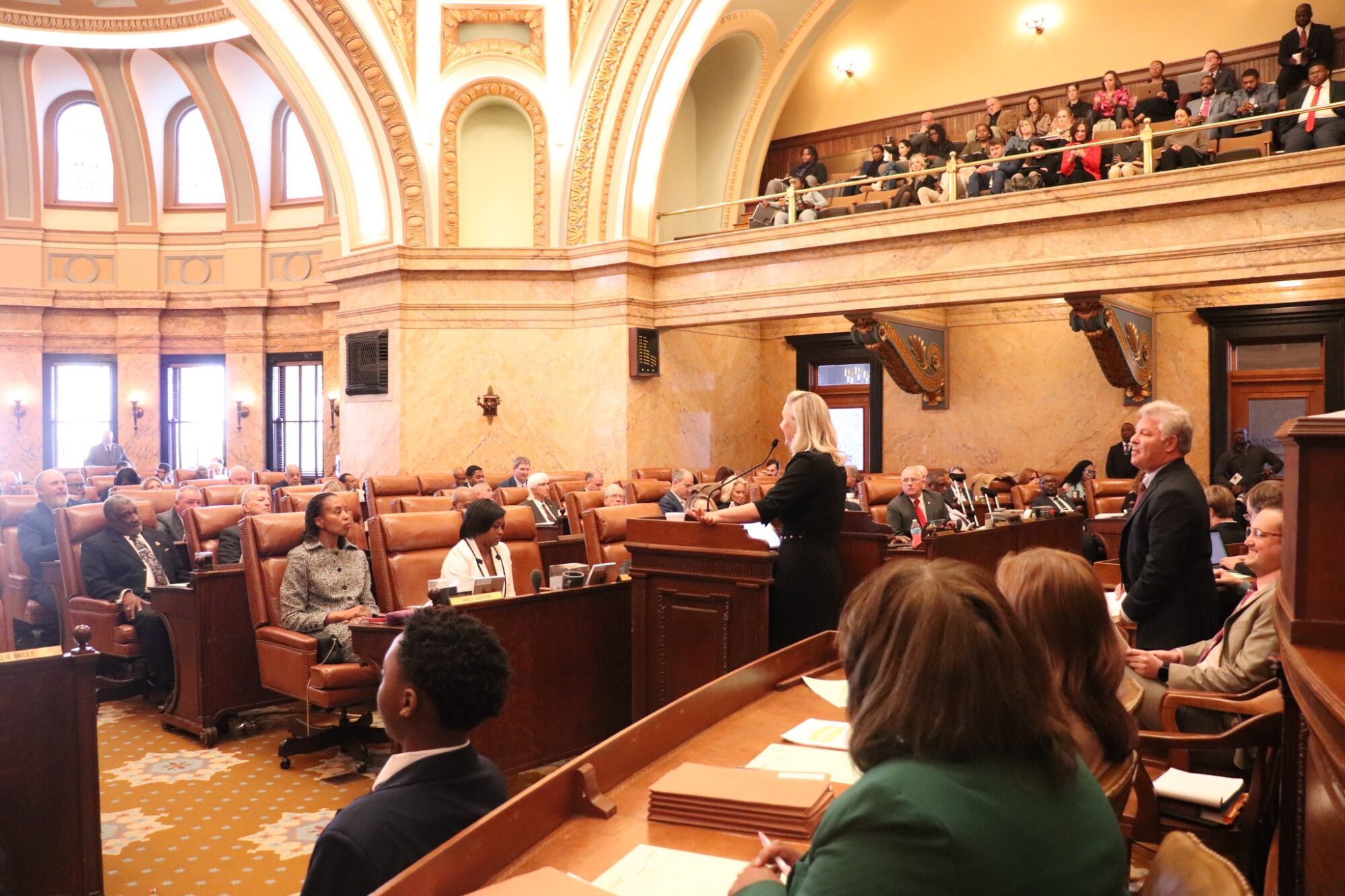
Mississippi House of Representatives (Photo from Speaker Jason White on Facebook)
- The Mississippi House has sent the Senate appropriations bills that seek to provide $5,000 in teacher pay raises as well as raising the base student cost nearly $500 per student, among other provisions.
Two appropriation bills were passed in the Mississippi House on Thursday concerning the state’s K-12 education system. Combined, the bills provide just over $5 billion in funding for education in Mississippi.
Funding for state general education programs and the Mississippi Student Funding Formula under HB 1935 is being proposed at $2.1 billion and nearly $3.2 billion, respectively. This includes special and federal funds as well.
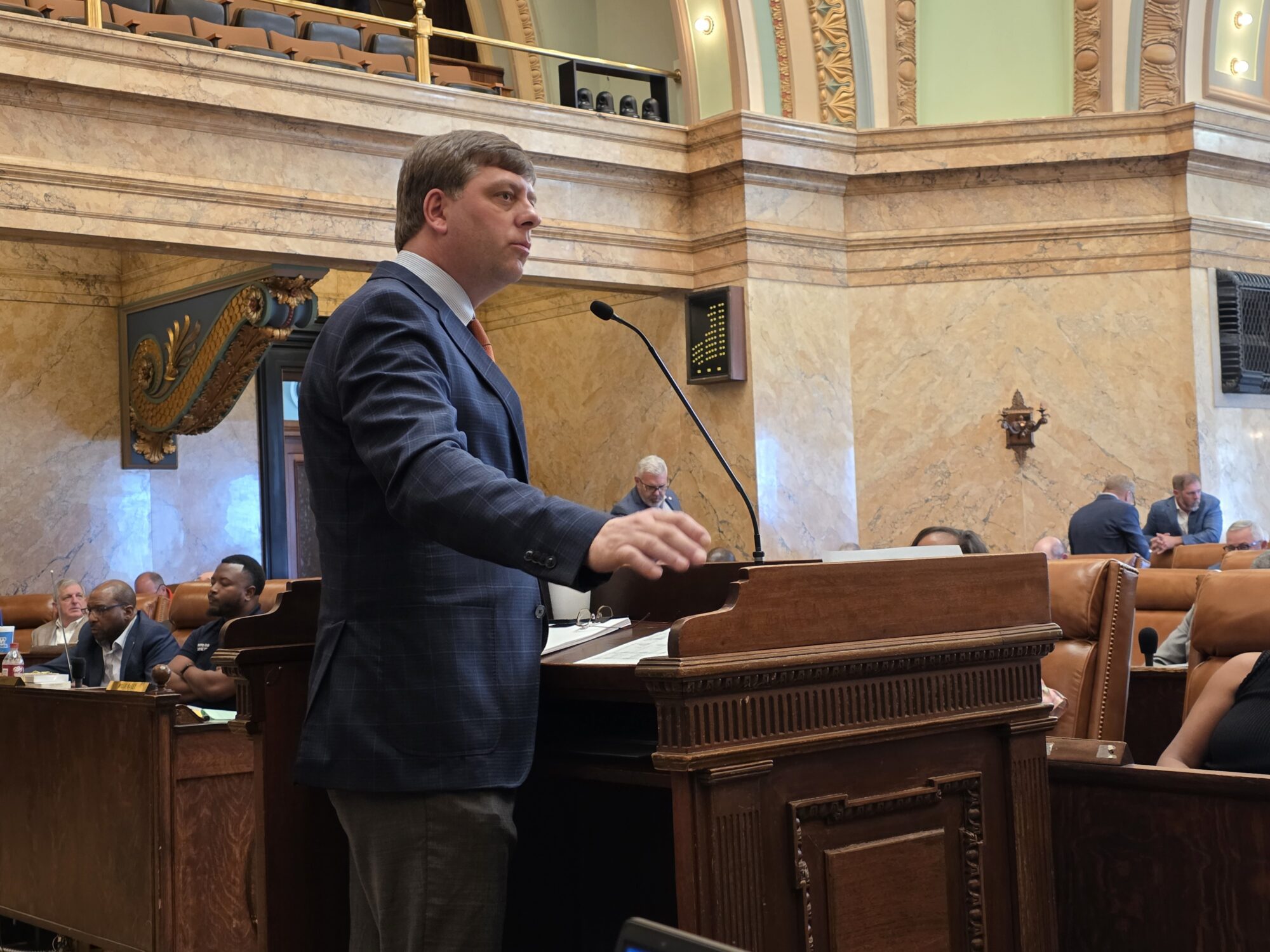
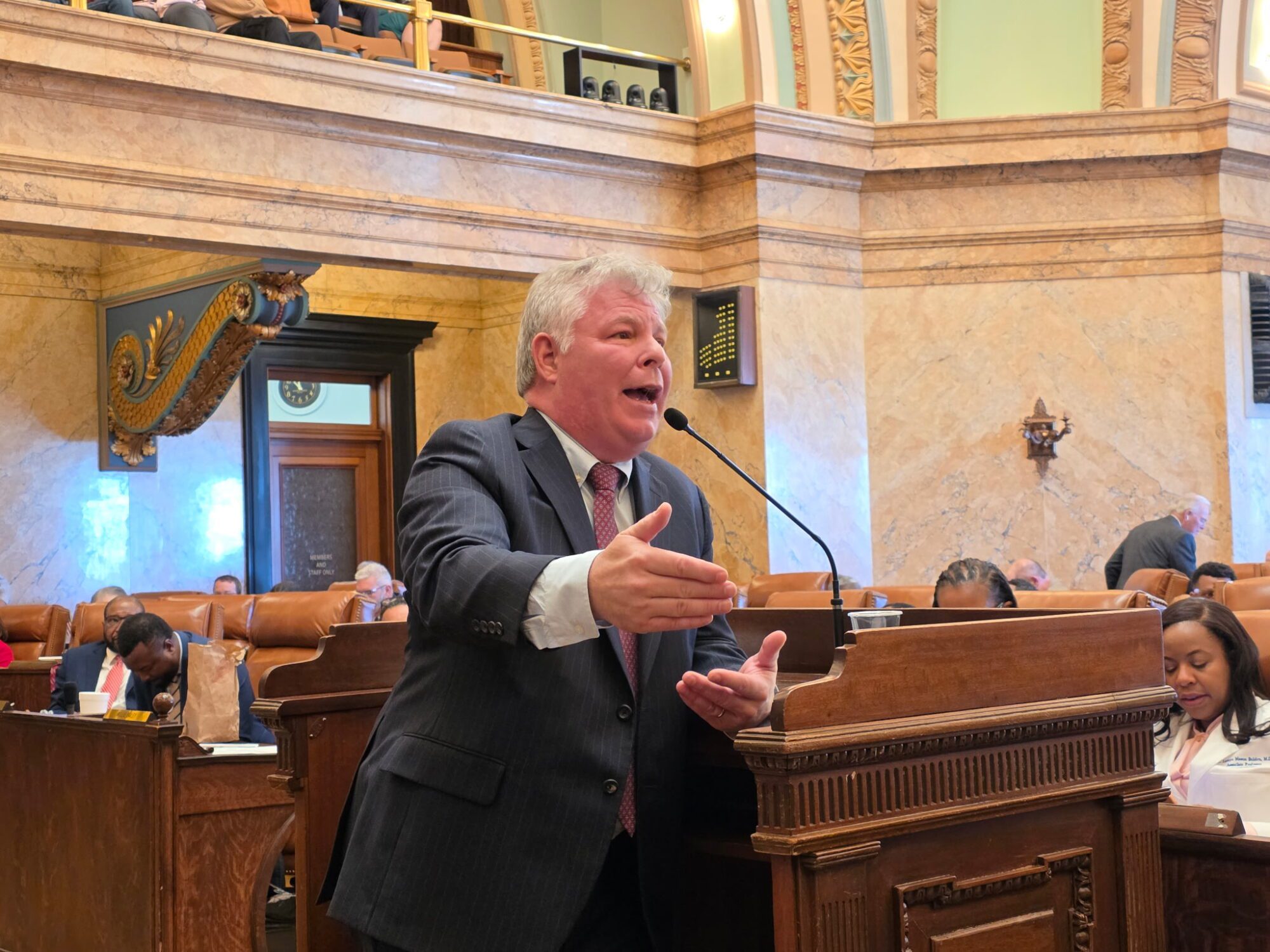
These figures represent increases of $43.5 million for general education funding above the Legislative Budget Recommendation and $192.8 million in MSFF funding, State Rep. Karl Oliver (R) explained while on the floor.
The funding takes into account the House’s proposed teacher pay raises in HB 1126 that would provide teacher pay raises of $5,000 across the board as well as an additional $3,000 for special education teachers, among other House-backed provisions.
That House teacher pay raise bill awaits action in the Senate Education and Senate Appropriations Committees. The Senate has proposed a lesser teacher pay raise of $2,000. Yet, Senate Education Committee chairman State Senator Dennis DeBar (R) did say after his committee’s vote, “We know the educators need more than just $2,000. I would like to see it get closer to $5,000 as most of our education groups have requested.”
The last teacher pay raise of $5,000 that was passed in 2022 also began at a lesser amount.
As for the funding components in HB 1935, $648,000 was set aside for occupational therapist and school psychologist salary supplements, $2.2 million for student attendance officer pay raises, $116,000 in vacancy funding, $21.9 million for special education teacher salary supplements, $18 million in EEF district improvement and incentive supplements and $21.6 million for the Chickasaw interest. Another $1.4 million was budgeted for the Charter School Authorizer Board.
Pay raises for CTE teachers were also budgeted into the House bill with $124 million set aside for technical and vocational education, of which $14.7 million will be for the CTE teacher pay increases.
The base student cost under MSFF as proposed in the House bill would increase to $7,447.37 in the coming fiscal year, representing a $485.92 increase compared to the previous fiscal year, Oliver told the members.
“We adopted these following changes to the LBR level of funding of $167.8 million general fund increase to fully fund the MSFF based on final adjusted estimates from MDE,” Oliver explained.
Another bill passed by the House on Thursday, HB 1940, was amended before passing. It added another $12.6 million in funding that will be used to implement lawmakers’ math, reading and financial literacy initiatives.
Of the $12.6 million, $9 million will be sent to MDE for implementation of the adolescent literacy initiative and another $3.4 million will cover the Math Act.
“This appropriation is for the implementation and operation of the Mississippi Math Act that we passed out earlier in the session,” Oliver added.
Another $120,000 will go towards the financial literacy curriculum.
“This additional appropriation is for the incorporation of the financial literacy components within the existing curriculum offered in grades 6-8 as required in the house amendment to the bill,” Over described.
Speaker of the House Jason White (R) took to social media after the passage of the House appropriations bills, saying, “For the third year in a row, since the creation of the new funding formula, public education has been fully funded. In just three years, the Mississippi Student Funding Formula has now been fully funded more times than the MAEP formula was funded in its 20+ year history. This is the direct result of prioritizing students over systems.”
White added that remains a top priority in the House, noting that SB 2294 was amended to include the Mississippi Math Act, Literacy Program Expansion, and Financial Literacy — three components from HB 2, which died in the Senate “that directly build on our education success.”
“The Mississippi Math Act establishes a statewide framework for mathematics instruction, implements screening and intervention tools to improve student math proficiency, and aligns student math skills with college- and career-readiness standards,” White said. “The Literacy Program Expansion builds on the success of the Literacy Based Promotion Act (3rd-grade reading gate), commonly known as the Mississippi Miracle, by creating a similar program for 4th through 8th grade to maintain and expand students’ reading skills. Lastly, the bill requires that Financial Literacy be added to the curriculum as an option for public school students in grades 6–8. For 9th–12th grade, a single half-credit in Financial Literacy must be completed before graduation.”
The Speaker went on to say that when it comes to education or the state budget, “the House will not accept the current way of doing things just because that’s the way it has always been done.”
“We all know, when nothing changes, nothing changes. We will continue to seek opportunities that build on our education gains, prioritizing the potential of the next generation of Mississippians,” White said.
The House bills now goes to the Senate for consideration as lawmakers turn in earnest to setting the 2027 fiscal year state budget.

Jeremy Pittari