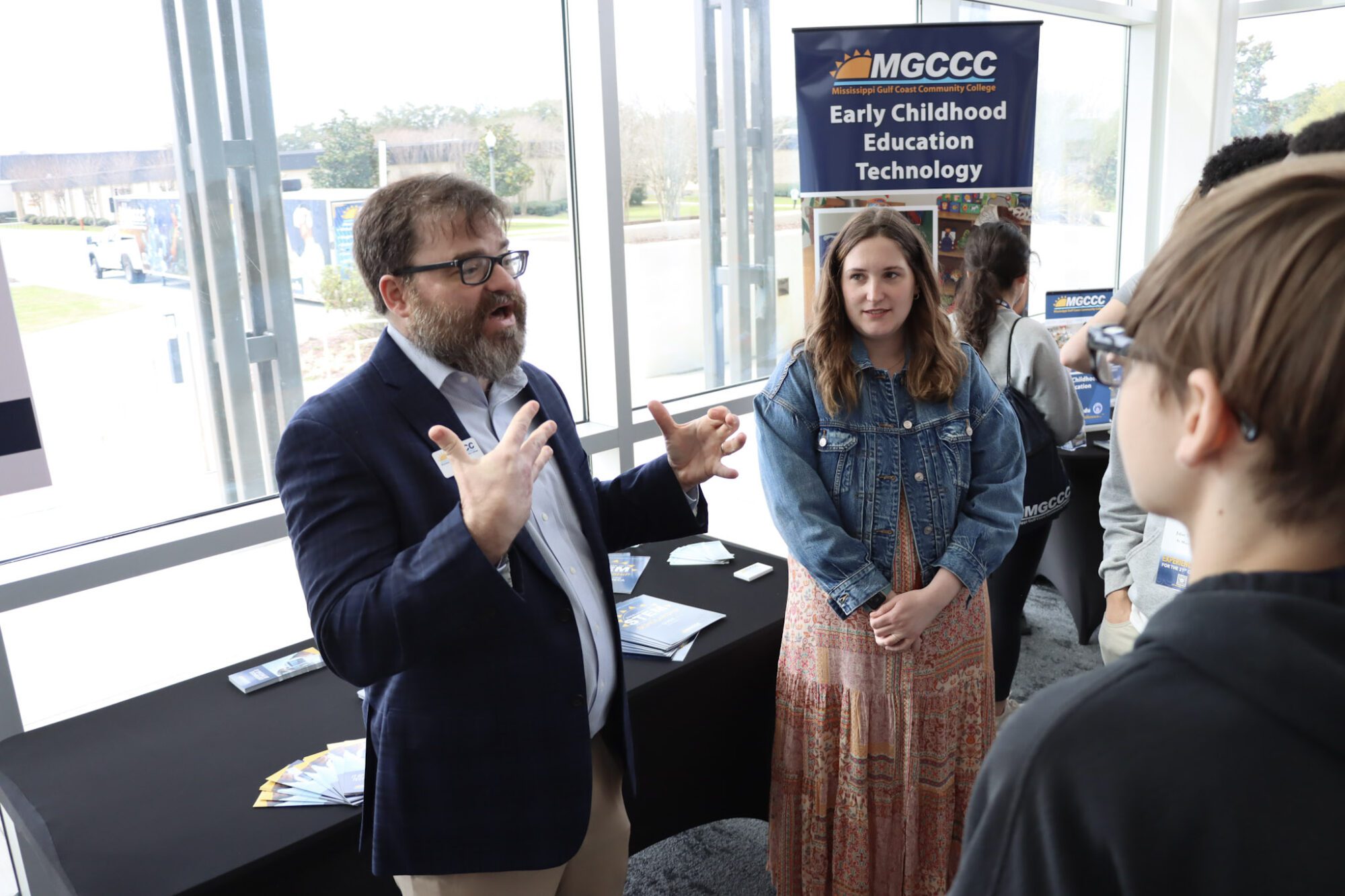
(Photo from MGCCC Experience CTE 2024 - from website)
- The total request by the Mississippi Community College Board is anticipated to be $213.5 million this coming session which starts in January.
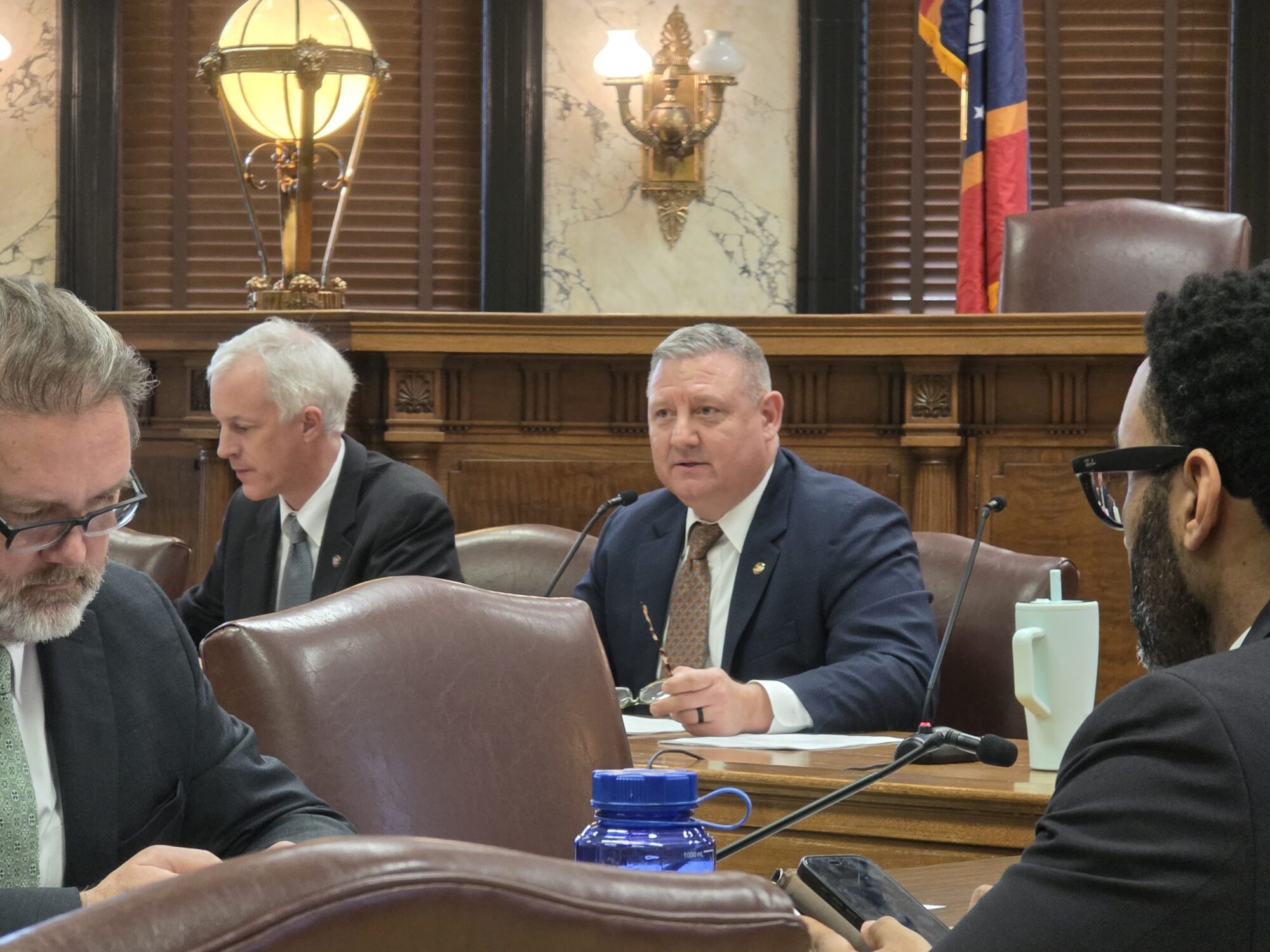
Kell Smith, Executive Director of the Mississippi Community College Board, gave the Senate Universities and Colleges Committee an update on the state system last week, requesting $28 million for a 6 percent salary increase.
Smith told Senators that many of educational staff employed in the community college system are earning salaries at or just above what teachers in the K-12 system receive in Mississippi. Some are leaving their community college employment to work in the K-12 system to make more money.
The state’s system is comprised of 15 community colleges.
On average, community college students are about 22 years old, and the student body is made up of 62 percent females. The total community college student population is comprised of 95 percent Mississippians and 62 percent are attending classes full-time.
“Our colleges are truly local institutions serving local communities,” Smith said.
The average ACT score for a community college student is 19 and just over half of the students in the system are seeking academic pathways. Smith said most of the students intend to transfer to a university.
During the 2024 academic year, the system served 88,685 students, which was a 2 percent increase from the prior year.
Career and technical programs enroll about 18,000 students annually and more than 21,000 students were in dual credit and dual enrollment. Last year, the system awarded more than 20,000 certificates to roughly 15,000 students, a 6 percent increase over the prior year.
“I think it’s important to note that our average tuition required fees for the entire year is $4,068, which is critical for accessibility,” Smith said.
Course offerings at the various community colleges typically aim to meet the needs of each community. The system offered 156 different career tech programs at the various campuses in the 2024 school year.
“Enrollment patterns vary based on local industries demographics and dual credit partnerships. Some colleges lean heavily towards academic transfer pathways, while others, especially in regions with strong employer presence show higher CTE concentrations,” Smith added.
New programs are added as part of requests to ensure they meet the workforce needs, student interest and the economy in the area. More than 84 percent of graduates stay in state to work or move on to the university system. Nearly 75 percent of those not seeking a degree at a university find jobs that within five years provide an average annual wage of $51,000.
Community colleges are also one of the biggest employers in the areas in which they serve, providing jobs to more than 8,000 people across Mississippi.
Smith said the Community College Board plans to ask for increases in state funding, including $2 million to fund their adult education effort.
“We have, y’all have probably heard me say before, 300,000 Mississippians without a high school diploma,” Smith added.” And so, anything that we can do to help better those lives, I think, is a wise investment of state resources.”
The Board is $28.5 million for basic operations to cover cost increases and $5 million for the CTE advantage program. Another $150 million is being requested to help cover construction, repair and renovation of the buildings within the system, which are some of the oldest in the state.
The total request by the Board to lawmakers is anticipated to be $213.5 million this coming session.

Jeremy Pittari